No products in the cart.

AI Surveillance Fuels Political Control in China
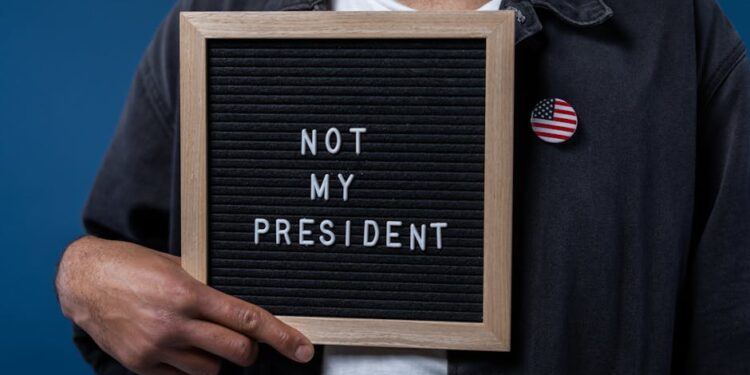
China's use of AI to monitor political dissent raises significant ethical concerns about privacy and civil liberties, reflecting a broader trend among authoritarian regimes globally. The implications for civil society and political discourse are profound, as predictive analytics may chill free speech and stifle dissent.

China has made a bold move by using artificial intelligence (AI) to predict political dissent among its citizens. This initiative, announced in early June 2026, employs advanced algorithms to analyze vast amounts of data with the goal of identifying individuals who may pose a political risk. This trend illustrates how governments are leveraging technology to maintain control, raising important questions about ethics and governance.
The implications of this development are significant. As AI becomes a key tool in assessing political risk, data scientists and political analysts in China must adapt their methods. This shift transforms political analysis and raises ethical concerns about privacy and civil liberties.
AI Algorithms and Surveillance
China’s AI initiative is more than just a technological upgrade; it fundamentally alters how the government ensures political stability. By utilizing sophisticated algorithms, authorities can analyze social media, financial transactions, and communication patterns to predict dissent. According to an analysis from Career Ahead, this system aims to help the government respond to unrest before it occurs.
These predictive tools employ machine learning to identify patterns that may indicate growing discontent. For instance, increased online discussions about sensitive topics or sudden changes in spending could trigger alerts. This proactive approach seeks to prevent protests before they escalate, marking a shift towards more surveillance-oriented governance.
However, reliance on AI raises serious ethical questions. How accurate are these predictions? What happens to individuals labeled as potential dissenters? As data scientists and analysts navigate these issues, they must balance security needs with respect for individual rights. Research indicates that using AI in political analysis could chill free speech, as citizens may self-censor to avoid scrutiny.
This underscores the need for transparency and accountability in AI development, a concern shared by experts in the field.
Additionally, the risk of bias in AI algorithms is a major concern. If these systems are trained on flawed data or biased historical patterns, they may unfairly target specific groups. This underscores the need for transparency and accountability in AI development, a concern shared by experts in the field.
You may also like
 Government & Policy
RBI Prioritizes Financial Stability Amid Emerging Risks
The Reserve Bank of India (RBI) has outlined five key priorities to enhance financial stability in response to emerging global risks.
Read More →Ethical Challenges in AI Usage
The ethical implications of using AI for political risk assessment are profound. As governments increasingly rely on predictive analytics, data scientists and political analysts face moral dilemmas in their work. Monitoring citizens with AI can violate privacy and civil liberties, raising questions about technology’s role in governance.
China’s approach to AI reflects a broader trend among authoritarian regimes that utilize technology for control. This reliance on AI could set a precedent for other countries, potentially increasing global surveillance practices. For data scientists, a key question arises: how can they ensure their work does not support oppressive regimes?
Moreover, ethical challenges also relate to the data used for training AI systems. If the data reflects societal biases, the resulting algorithms may perpetuate discrimination. This calls for a careful examination of the datasets used in AI development, emphasizing the need for diverse and representative sources.

As political analysts adapt to this new landscape, they must advocate for ethical practices in AI usage. This includes pushing for regulations that protect individual rights and ensure transparency in AI operations. Fostering dialogue among data scientists, policymakers, and civil society is essential to navigate the ethical complexities of AI in governance.
As political analysts adapt to this new landscape, they must advocate for ethical practices in AI usage.
Consequences for Civil Society
The introduction of AI for monitoring political dissent may have significant consequences for civil society in China. As the government strengthens its surveillance capabilities, the effects on political engagement and activism are concerning. The ability to predict dissent may discourage individuals from expressing their views, leading to a more muted public discourse.
You may also like
 Government & Policy
Corporate Health Cover: Risks of Overdependence
Relying solely on corporate health insurance can expose employees to significant risks, especially during job transitions or retirement. This article explores the limitations of corporate…
Read More →Moreover, the effectiveness of these AI systems in accurately identifying potential dissenters remains uncertain. While the technology may offer valuable insights, there is a risk of false positives, targeting innocent individuals and exacerbating social tensions. This is particularly relevant in a society where dissent is already heavily suppressed.
As political analysts and data scientists grapple with these developments, they must consider the broader societal impact. The potential for AI to stifle dissent raises questions about the future of political discourse in China. Will citizens feel safe to express their opinions, or will fear of surveillance lead to widespread self-censorship?
In the coming years, the evolution of AI in political risk assessment will be closely monitored. As technology advances, methods for monitoring dissent may become more sophisticated, possibly leading to increased surveillance and reduced freedoms. This creates an urgent need for ongoing discussions about the ethical implications of AI in governance.
Frequently Asked Questions
What AI tools are being used for political risk assessment in China?
China is using advanced AI algorithms to analyze social media, financial transactions, and communication patterns to predict political dissent. These tools utilize machine learning to identify potential risks before they escalate.
This includes developing skills in machine learning, data analysis, and critical thinking to assess the ethical dimensions of their projects.
How can political analysts ensure ethical use of AI in their work?
Political analysts can advocate for transparency and accountability in AI systems. They should ensure that the data used is representative and free from bias. Engaging in dialogue with policymakers and civil society is crucial for navigating ethical challenges.
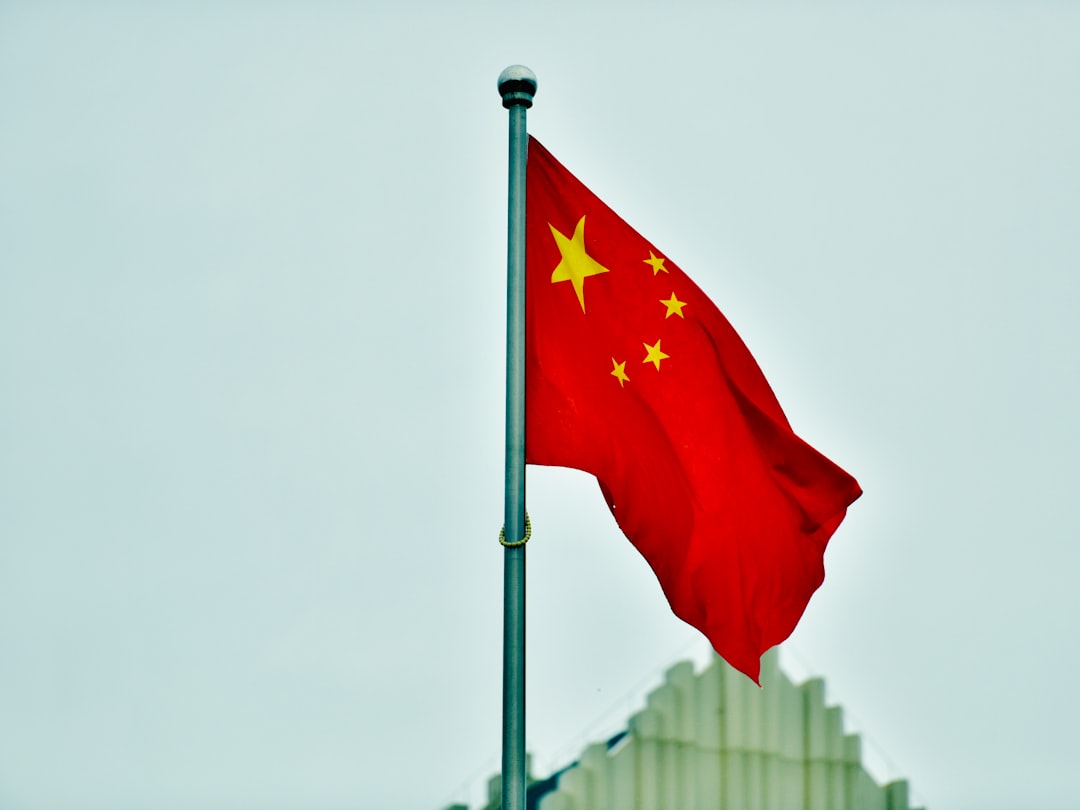
What skills do data scientists need to develop for predictive analytics in governance?
You may also like
 Government & Policy
8th Pay Commission Stakeholder Meetings Begin
The 8th Pay Commission is conducting stakeholder meetings to discuss salary and pension revisions for over 1 crore central government employees and pensioners, with key…
Read More →Data scientists should focus on understanding AI ethics, data privacy, and the implications of their work in governance. This includes developing skills in machine learning, data analysis, and critical thinking to assess the ethical dimensions of their projects.