No products in the cart.

What to Know About France’s High School Protests

High school students in France are protesting for better educational resources, improved teaching conditions, and a more relevant curriculum, reflecting deep frustrations with the current system.

France’s high school students are protesting against the education system. These protests started in early October 2026. Thousands of students have blocked schools across the country. The demonstrations show deep frustrations over educational reforms and conditions, leading to unrest and many arrests.
Students are demanding better resources, improved teaching conditions, and a more relevant curriculum. Many feel the current system does not prepare them for modern society and the job market. This growing sense of disenfranchisement has sparked a wave of activism, signaling a turning point in educational policies in France.
Understanding the Roots of Student Discontent
The recent protests are not isolated incidents. They are the result of years of dissatisfaction with the French education system. Students have raised concerns about overcrowded classrooms, outdated teaching methods, and a lack of mental health support. According to Career Ahead’s analysis, these issues have hurt graduation rates. Many students feel unprepared for life after high school.
The COVID-19 pandemic made these problems worse. Many students faced disruptions in their learning. The shift to online education revealed gaps in resources and support, increasing frustrations. Now, students demand a fairer and more responsive educational system that meets their needs. The New York Times reported that students are especially worried about the lack of mental health resources, which they see as vital for their well-being and success.
The protests also highlight the gap between students and policymakers. Many young people feel their voices are ignored in discussions about education reform. This disconnect has led to a rise in student-led initiatives aimed at creating change. Career Ahead research shows that youth activism is becoming more common, with students taking action. The protests have seen students use social media to organize and amplify their messages, showing the power of digital tools in activism.
In response to these protests, the French government faces pressure to act on students’ demands. The current administration’s approach to education reform will be closely examined. Students and their supporters are calling for immediate action to address their concerns. This situation offers a chance for policymakers to engage with youth and create a more inclusive dialogue about education. The government’s response will impact not only the current generation of students but also set a precedent for future educational policies.
The government’s response will impact not only the current generation of students but also set a precedent for future educational policies.
Implications for Future Educational Policies
You may also like
 Education & University Insights
What to Know About France’s High School Protests | Career Outlook
The protests have been fueled by a combination of factors, including dissatisfaction with the quality of education, inadequate resources, and a perceived lack of support…
Read More →The protests have major implications for educational policy in France. As students push for change, the government must take their demands seriously. Career Ahead analysis suggests that ignoring these issues could lead to lower graduation rates and increased youth disillusionment. The potential long-term consequences are clear: a disengaged youth population may result in a less skilled workforce.
Moreover, the protests are likely to influence upcoming policy discussions on education reform. With students actively involved, new ideas and perspectives may shape future initiatives. This could lead to a more comprehensive approach that prioritizes student well-being and prepares them for the modern workforce. The New York Times noted that the protests are about more than immediate changes; they reflect a desire for a systemic overhaul that aligns education with the needs of a changing job market.
Additionally, the protests could inspire similar movements in other countries. Students worldwide face common challenges related to education. This global issue highlights the need for solidarity among young people, who are increasingly aware of their collective power. Career Ahead has found that this interconnectedness among youth movements could lead to a unified push for educational reforms globally. International collaboration among student activists could amplify their voices and demands, influencing policies beyond France.
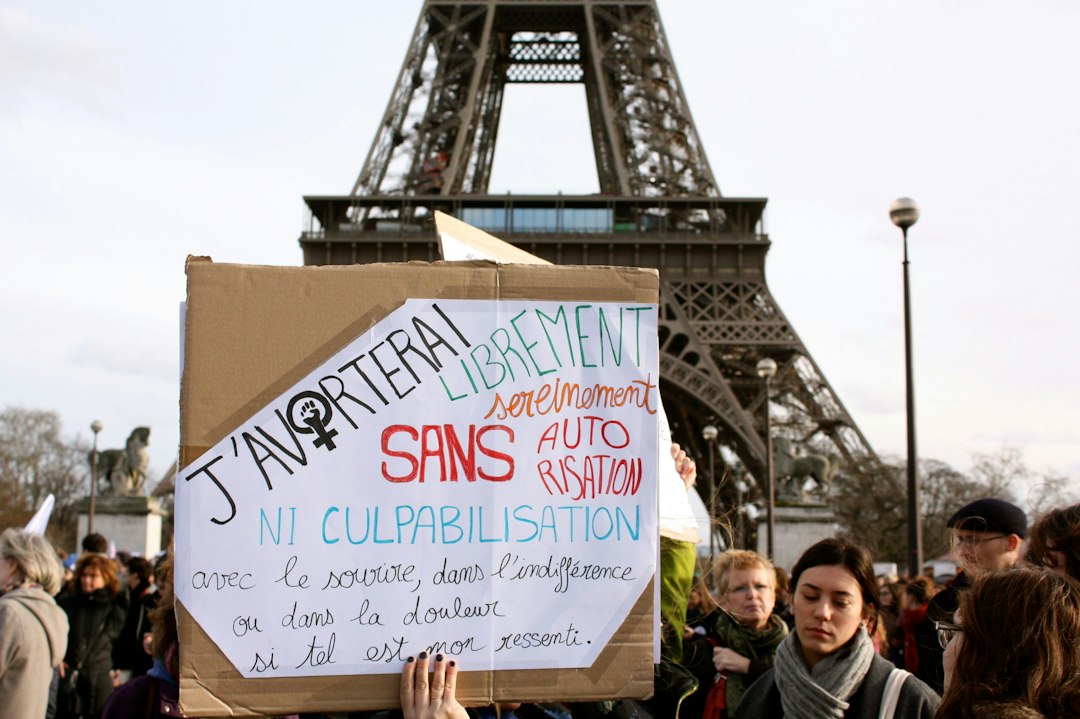
As the situation develops, it is crucial to watch how the French government responds to these protests. The outcome may set a precedent for shaping educational policies in the future, both in France and elsewhere. Policymakers must engage with students and address their concerns to foster a fair educational landscape. The ongoing protests serve as a wake-up call for educators and policymakers, highlighting the need for a responsive and inclusive education system that meets the diverse needs of all students.
As students continue to advocate for their rights, the future of education in France is uncertain.
The recent protests in France are a wake-up call for educators and policymakers. The youth’s demands for a better education system reflect a broader desire for a more inclusive and responsive approach to learning. As students continue to advocate for their rights, the future of education in France is uncertain.
The ongoing protests show a significant shift in student engagement and activism regarding educational reforms in France. As students demand a more relevant and supportive education system, the implications for future policies and graduation rates are profound. The outcome of these protests could reshape education delivery and experience, making it essential for all stakeholders to pay attention.
You may also like
 Education & University Insights
Cornell President Calls Rape Inquiry ‘Defining Moment’ for Campus
In response to a recent sexual assault inquiry, Cornell University is implementing significant reforms for Greek organizations, emphasizing accountability and enhanced prevention programs. President Michael…
Read More →As education evolves, collaboration between students, educators, and policymakers becomes increasingly important. Young people’s voices must be heard in decision-making to create a system that truly meets their needs.
The situation in France reminds us that student activism can greatly influence educational policy. As more students advocate for change, the potential for a more inclusive and effective education system grows. The future of education depends on how well stakeholders respond to youth voices.
With the momentum of these protests, it is crucial to consider how the French government will react and what changes may come from this movement. Will policymakers engage with students and implement meaningful reforms? The answer could determine the future direction of education in France.
Policymakers may need to engage with students to create a more inclusive dialogue about educational reform.
Frequently Asked Questions
What are the main demands of high school students in France?
High school students in France are demanding better resources, improved teaching conditions, and a more relevant curriculum. They want to address issues like overcrowded classrooms and a lack of mental health support.
How might these protests affect education policy in France?
These protests could lead to significant changes in education policy as the government faces pressure to respond to students’ demands. Policymakers may need to engage with students to create a more inclusive dialogue about educational reform.

What should high school students do to advocate for their educational needs?
Students can continue to organize protests, engage in discussions with educators, and use social media to amplify their voices. Collective action can help draw attention to their demands and influence policy changes.
You may also like
 Education & University Insights
Centre of Excellence for Classical Pali Launched
The Centre aims to enhance the study and preservation of the Pali language, focusing on its significance in Buddhist literature and philosophy.
Read More →