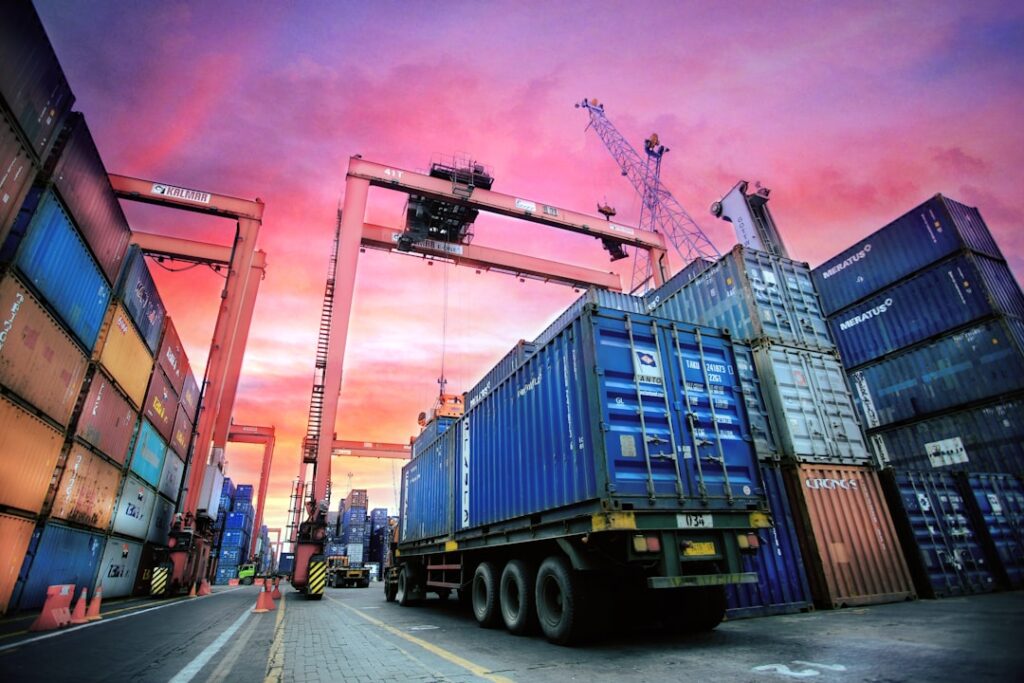
As the logistics sector faces mounting pressure to improve efficiency, artificial intelligence (AI) emerges as a game-changer. The integration of AI into freight logistics signifies a fundamental shift in how goods are transported and managed globally. This transformation reshapes the landscape, offering new opportunities and significant challenges for all stakeholders involved.
The big idea here is that AI can optimize operations, enhance decision-making, and improve service levels in freight logistics. According to McKinsey, AI technologies are being utilized for route optimization, demand forecasting, and inventory management. These advancements can lead to substantial cost savings and better service for customers, marking a pivotal moment in the industry.
Optimizing Freight Logistics with AI
AI applications in freight logistics are revolutionizing traditional practices. By analyzing vast amounts of data, AI systems can identify the most efficient routes for transportation, considering factors such as traffic patterns, weather conditions, and vehicle availability. This capability reduces delivery times and minimizes fuel consumption, leading to lower operational costs.
Moreover, AI enhances demand forecasting accuracy. By leveraging historical data and real-time analytics, companies can predict demand fluctuations more effectively. This helps logistics providers manage their resources better, ensuring they have the right capacity available to meet customer needs without incurring unnecessary costs.
Additionally, AI-driven inventory management systems streamline warehouse operations. These systems can automatically reorder stock based on predictive analytics, reducing the risk of overstocking or stockouts. Such improvements are crucial for maintaining service levels and customer satisfaction.
Barriers to AI Adoption in Logistics
Despite the clear advantages, the adoption of AI in freight logistics faces significant challenges. One major barrier is the initial investment required for AI technologies. Many logistics companies, especially smaller firms, may struggle to allocate the necessary funds for technology upgrades and training, creating a disparity in the industry.
The logistics industry must invest in training and development programs to equip employees with the necessary skills to thrive in an AI-driven environment.
Additionally, there is a skills gap in the workforce. As AI technologies become more prevalent, the demand for skilled workers who can operate and maintain these systems increases. The logistics industry must invest in training and development programs to equip employees with the necessary skills to thrive in an AI-driven environment.
 Entrepreneurship & Business
India’s Fast-Track GST Registration: Who Qualifies and What to Check
The simplified route targets businesses below a stated monthly output tax limit. A separate proposal outlines four tiers for GST registration.
Read More →Data privacy and security are also major concerns. With increased reliance on data for AI systems, logistics companies must ensure robust cybersecurity measures are in place. A data breach could result in significant financial losses and damage a company’s reputation.
Global Trends in AI-Driven Logistics
The global logistics landscape is evolving rapidly, with AI playing a crucial role in this transformation. Countries that embrace AI technologies in freight logistics can gain a competitive edge in the international market. Nations with advanced infrastructure and technology ecosystems, such as Germany and the United States, are well-positioned to lead in AI logistics innovation.
Conversely, countries that lag in technology adoption may find themselves at a disadvantage. As global trade expands, the ability to efficiently manage logistics operations becomes increasingly important. Countries investing in AI will likely see improvements in supply chain efficiencies, attracting more business and fostering economic growth.
Furthermore, integrating AI in logistics is not just about efficiency; it also has implications for sustainability. AI can help reduce carbon footprints by optimizing transportation routes and improving fuel efficiency, aligning with global sustainability goals.
Workforce Implications and Ethical Considerations While the benefits of AI in freight logistics are clear, ongoing debates surround its implications for the workforce.

Workforce Implications and Ethical Considerations
While the benefits of AI in freight logistics are clear, ongoing debates surround its implications for the workforce. Some argue that increased automation will lead to job losses, particularly in roles involving manual labor or routine tasks. Conversely, proponents of AI argue that new jobs will emerge as companies adopt these technologies, particularly in areas like data analysis and system management.
Moreover, there is a philosophical debate about the reliance on technology in logistics. Some industry experts caution against over-reliance on AI, suggesting that human intuition and experience should not be entirely replaced by algorithms. They argue that while AI can enhance decision-making, it should complement human judgment rather than replace it.
 Entrepreneurship & Business
Europe Adds to Business Regulatory Burden, Speaker Says
The exchange covered deregulation, CBAM, an India-EU trade agreement and trade figures for India’s ties with the EU and the Netherlands.
Read More →These contradictions highlight the need for a balanced approach to AI integration in logistics. Companies must navigate these complexities carefully to harness the benefits of AI while addressing the legitimate concerns of their workforce.
Future Innovations in Freight Logistics
The future of freight logistics is undoubtedly intertwined with the advancement of AI technologies. As AI continues to evolve, we can expect even more sophisticated applications that enhance operational efficiency. Innovations such as autonomous vehicles and drones promise to revolutionize last-mile delivery and significantly reduce costs.
Additionally, integrating AI with other emerging technologies, such as the Internet of Things (IoT), will create a more interconnected logistics ecosystem. Real-time data sharing between vehicles, warehouses, and customers will enable logistics providers to respond more swiftly to changing conditions and customer demands.
Young professionals and job seekers looking to enter the logistics sector should consider developing skills in data analysis, AI systems management, and cybersecurity.

However, the pace of this transformation will depend on several factors, including regulatory frameworks, investment in infrastructure, and the willingness of companies to adapt to new technologies. The logistics industry must remain agile to capitalize on the opportunities presented by AI.
Career Opportunities in AI-Driven Logistics
As AI transforms freight logistics, the demand for skilled professionals in this field is set to rise. Young professionals and job seekers looking to enter the logistics sector should consider developing skills in data analysis, AI systems management, and cybersecurity. Understanding how to leverage AI technologies will be crucial for success in this evolving landscape.
Furthermore, as logistics companies seek to innovate, opportunities will arise for entrepreneurs to create solutions that address the challenges of AI integration. The future of freight logistics is not just about technology; it is also about the people who will drive these changes forward.
 Entrepreneurship & Business
Use a Business Loan to Fix Cash Flow: Five Decisions
Cash flow is the top challenge for half of small firms. Here is how to choose a loan that fits.
Read More →Written by Career Ahead AI. AI can make mistakes, so verify key facts. Report errors to support@careeraheadonline.com.