No products in the cart.

AI Transforms Indian Healthcare with Smart ICUs
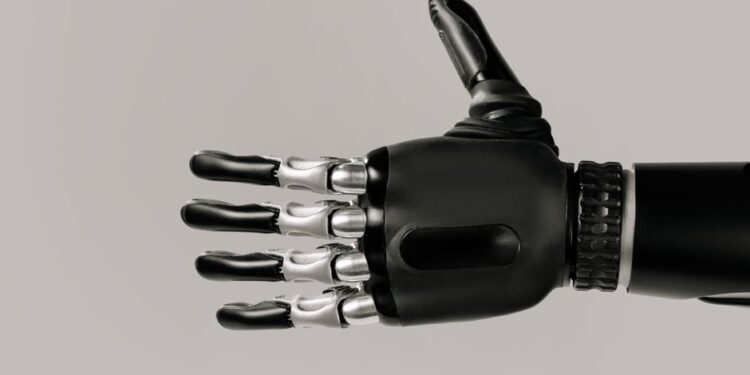
AI is revolutionizing healthcare in India, particularly in smart ICUs, enhancing patient care and operational efficiency. Leading hospitals are adopting AI technologies to improve diagnostics, streamline processes, and train healthcare professionals for an AI-driven future.

India’s healthcare system is undergoing a significant transformation as artificial intelligence (AI) becomes increasingly prevalent. Hospitals and doctors are advocating for AI technologies to enhance patient care, streamline operations, and improve diagnostic accuracy. This shift is evident in the rise of smart intensive care units (ICUs) and advanced diagnostic tools across various healthcare settings.
Leading institutions like Narayana Health and Apollo Hospitals are at the forefront of this AI revolution, actively integrating AI into their services. This integration aims not only to boost productivity but also to address critical issues such as obtaining second opinions, expediting test results, and providing quicker access to healthcare professionals, ultimately allowing doctors to devote more time to patient care.
Innovations in Smart ICUs and Diagnostic Tools
The concept of smart ICUs is gaining traction in India, utilizing technology to create systems that monitor patients in real-time. Dr. Devi Prasad Shetty, a prominent cardiac surgeon and founder of Narayana Health, asserts that AI can deliver smarter diagnoses than many human doctors. He envisions a future where patients can rely on AI for second opinions, reducing the inconvenience and costs associated with traditional consultations.
AI systems are already being employed in various clinical roles, from radiology to outpatient departments. For instance, AI tools can analyze medical images, identify subtle patterns, and minimize diagnostic errors. At Narayana Health, a bot named Medha Scribe is being tested to assist in documenting patient consultations. This AI-driven scribe listens to conversations between doctors and patients, converting them into structured clinical notes, allowing doctors to concentrate on care rather than paperwork.
Moreover, the echocardiography department at Narayana Health employs AI to capture precise measurements during heart ultrasound procedures, significantly reducing the risk of human error. Transitioning from manual to automated processes not only enhances accuracy but also accelerates reporting times, providing timely insights into patient health. A study by Bain & Company and HealthQuad indicates that the use of electronic medical records (EMRs) in India has risen from 18% in 2018 to 35% in 2026, reflecting a growing acceptance of digital solutions in healthcare and underscoring AI’s role in modernizing healthcare delivery.
This proactive approach is crucial in critical care settings where every second counts.
Furthermore, AI technologies in smart ICUs extend beyond patient monitoring. These systems can analyze extensive data from vital signs and lab results, offering predictive analytics that alert healthcare providers to potential complications before they arise. This proactive approach is crucial in critical care settings where every second counts. Hospitals are also beginning to utilize AI algorithms for triaging patients, ensuring that those requiring immediate attention receive it promptly, thereby enhancing overall efficiency in emergency departments.
However, the implementation of AI in healthcare raises concerns regarding data privacy and security. As hospitals increasingly rely on AI systems, there is a pressing need to develop local technologies that safeguard patient data. Experts advocate for the creation of local AI models to mitigate risks associated with foreign technology, which may pose data security challenges. According to a report from DoctorsAI, the push for AI in Indian healthcare emphasizes not only efficiency but also ethical considerations in managing patient data.
Preparing Healthcare Professionals for AI Integration
As AI continues to reshape healthcare, equipping healthcare professionals with the skills to effectively utilize these technologies is becoming increasingly vital. Organizations like DoctorsAI, a physician-led community, are developing training modules to help doctors understand and adopt AI tools. This is essential, as many healthcare providers currently lack the technical skills necessary for effective AI utilization.
Apollo Hospitals has initiated structured AI training programs for its staff, including an Advanced Certificate in AI in Healthcare. This six-month course equips doctors with the skills to apply AI technologies in clinical settings, focusing on practical applications rather than theoretical knowledge. Dr. Sujoy Kar, the chief medical information officer at Apollo Hospitals, highlights the importance of specialty-specific training that aligns with the workflows of various medical fields, ensuring healthcare professionals can seamlessly integrate AI tools into their daily practices.
Additionally, hospitals like KIMSHEALTH are emphasizing hands-on training for managers and department heads. Dr. Nahas A, an internal medicine consultant, advocates for interactive sessions that foster a practical understanding of AI concepts, ensuring that clinicians actively participate in AI integration rather than remaining passive users. This practical training is crucial as it prepares healthcare workers to navigate the complexities of AI technologies and enhances their confidence in utilizing these tools to improve patient care.
Analysts predict that the demand for healthcare professionals skilled in AI technologies will continue to rise as hospitals adopt more advanced systems.

Analysts predict that the demand for healthcare professionals skilled in AI technologies will continue to rise as hospitals adopt more advanced systems. This shift necessitates interdisciplinary training programs that combine medical knowledge with technical skills, preparing healthcare workers for the evolving landscape. There has been a notable increase in AI learning across the sector, with providers increasingly adopting EMRs and AI-enabled technologies, reflecting a broader recognition of the need for healthcare professionals to adapt to new tools and methods to enhance patient care.
Despite the advantages, the rapid adoption of AI in clinical settings presents challenges. Concerns regarding the accuracy of AI-generated data and potential errors underscore the necessity for human oversight in healthcare. Instances of AI systems making incorrect entries in patient records highlight the importance of careful monitoring and verification of AI outputs. As the healthcare sector embraces AI, the ongoing challenge remains: how will hospitals balance the benefits of automation with the essential need for human judgment in patient care? This tension between technology and traditional practices will significantly influence the future of healthcare delivery in India.
The integration of AI in Indian healthcare represents a pivotal moment for the industry, presenting both opportunities and challenges. As hospitals invest in technology and training, the healthcare landscape is poised for substantial change. The coming years will be crucial in determining how effectively these advancements can enhance patient outcomes while addressing the ethical and practical implications of AI in medicine.
Frequently Asked Questions
What are the benefits of AI in smart ICUs for healthcare professionals?
AI in smart ICUs enhances patient monitoring and care efficiency, allowing healthcare professionals to focus more on patient interaction by automating routine tasks, reducing errors, and improving patient outcomes.
AI in smart ICUs enhances patient monitoring and care efficiency, allowing healthcare professionals to focus more on patient interaction by automating routine tasks, reducing errors, and improving patient outcomes.
How can medical researchers leverage AI for better diagnostics?
Medical researchers can utilize AI to analyze large datasets, identify patterns, and enhance diagnostic accuracy. AI tools can help detect subtle changes in medical images that may be overlooked by human eyes, leading to earlier and more accurate diagnoses.

What steps should hospital administrators take to implement AI technologies effectively?
Hospital administrators should prioritize staff training, invest in robust IT infrastructure, and ensure compliance with data privacy regulations. Forming interdisciplinary teams that include AI specialists and healthcare professionals will facilitate the smooth integration of AI technologies.
Related Articles
- Air India Orders One-Off Drug Test for Its Over 5,000 Pilots
- Medicare Advantage Faces New Benefit Restrictions for
Written by Career Ahead AI. AI can make mistakes, so verify key facts. Report errors to support@careeraheadonline.com.