The pre-order page for the Temple wearable crashed within minutes of opening on November 1, 2026. Deepinder Goyal, the Zomato CEO behind the device, had priced his brain health monitor at Rs 85,000, and buyers in India were clearly willing to wait for it. Within days, the device was also at the center of a fight with the medical establishment, with Goyal posting that “scams don’t build that cap table” to counter neurologists questioning his marketing claims.
The Temple dispute is a small window on a much larger shift. Devices that read signals from the brain and nervous system are moving out of clinics and into offices, bedrooms, and pockets. That shift is why UNESCO adopted the first global standard on the ethics of neurotechnology in November 2025, and why two US states have already amended their privacy laws to treat brain data as sensitive. Anyone planning to build a career in the 2020s, or simply wear earbuds on a commute, now has skin in this game.
What changed
Neurotechnology is not new in medicine. Deep brain stimulation treats Parkinson’s symptoms, and brain-computer interfaces let people with disabilities control prosthetics by thought. What is new is the consumerization. Connected headbands and headphones already use neural signals to track stress, sleep, and attention, and most owners never think of any of it as brain data, UNESCO noted when presenting its standard.
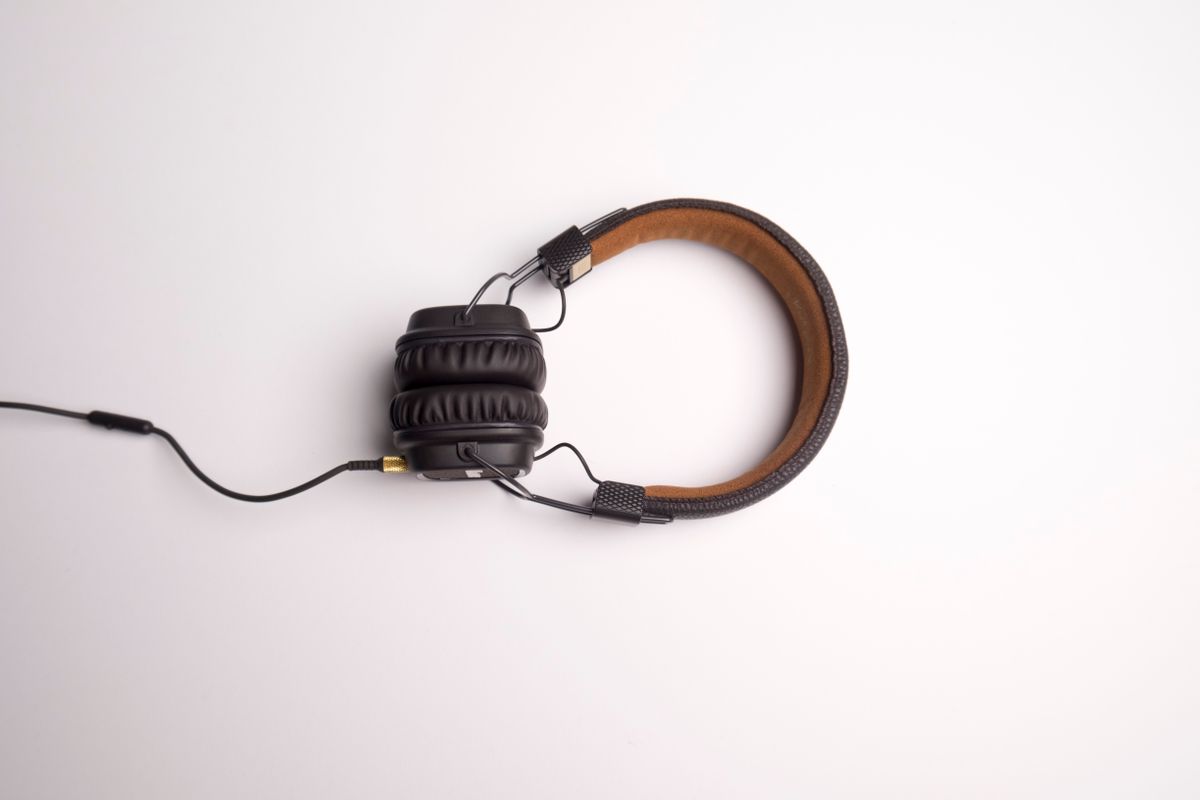
A few markers show how fast this is moving. In January 2026, the French startup Naox Technologies received the first FDA 510(k) clearance for an in-ear EEG device. Its product, Naox Link, replaces a scalp cap with more than 20 electrodes by a small sensor inside an earplug, worn for days through exercise, sleep, and ordinary life, in principle to catch neurological events like seizures that clinic visits miss. Ten months later, a consumer device at Rs 85,000 hit the Indian market claiming to track brain blood flow, stress, and fatigue.
What changed Neurotechnology is not new in medicine.
The rules arrive, unevenly
 AI & Technology
Unregulated Synthetic Data Is Warping Hiring Algorithms—And No One Can Detect It
Without intervention, this network will only expand as AI adoption grows—currently at 87% of global enterprises.
Read More →Medical uses of neurotechnology are strictly regulated. Everything else is largely open territory, and regulators have treated it unevenly. In the United States, protection is state by state: Colorado became, in April 2024, the first state to explicitly extend coverage of its comprehensive privacy law to neural data, distinguishing it within newly defined sensitive biological data under House Bill 1058. California followed in September 2024 with Senate Bill 1223, which adds a consumer’s neural data to the sensitive personal information category of the California Consumer Privacy Act.
UNESCO moved at the global level. Its Recommendation on the Ethics of Neurotechnology, adopted on November 5, 2025 at the 43rd General Conference in Samarkand, Uzbekistan, is the first global standard for the field. The document flags mental privacy as the core risk and calls for informed consent and transparency. It warns specifically against using neurotechnology in the workplace to monitor productivity or build data profiles on employees, and it cautions against non-therapeutic use of neurotech on children and teenagers, whose brains are still developing.
The demand side explains the urgency. UNESCO’s own research audit recorded a 700% increase in investment in neurotechnology companies between 2014 and 2021, and its experts note that most consumers do not realize they are generating brain signals at all: highly sensitive data that can reveal emotions, reactions, and potentially thoughts, and that can be shared with little consent.
The science gap in the consumer boom
The Temple controversy shows where consumer claims run ahead of the evidence. Goyal has called the device “a fitness and wellness tracker and not a medical device,” while marketing a Brain Flow Index intended to reflect blood-flow dynamics in the brain.
Neurologists are not convinced the hardware can support the claims. “The temple is anatomically suitable for exploring optical monitoring devices… However, anatomical suitability does not automatically establish long-term safety measurement reliability of the intracranial blood flow,” said Dr. Praveen Gupta, chairman of the Marengo Asia International Institute of Neuro and Spine in Gurugram, in comments to Times Now Tech. His argument, familiar from a decade of wrist-worn health claims, applies to every consumer neurotech product: a sensor that picks up signals from the skin near the temple cannot automatically tell its users what is happening deep inside the brain, and correlation numbers published by a device company on its own data are not the same as independent clinical validation.
Why careers and young professionals should care
 AI & Technology
The AI Talent War’s Geopolitical Reckoning: How China and India Are Winning the Reverse Brain Drain
China now dominates half the world’s AI talent while retaining 47% of its PhDs domestically—flipping decades of brain drain. The U.S.
Read More →The first-order concern is workplace monitoring. UNESCO’s warning about tracking productivity or profiling employees through neuro-signals is not hypothetical: wearable EEG headsets intended to monitor attention and fatigue have been piloted in industrial settings for years, and anything that can be sold as a wellness benefit can also be repurposed for surveillance. A privacy law that classifies neural data as sensitive, as Colorado’s and California’s do, gives workers some control over collection and sale, but few workers outside those two states have those rights, and employment privacy protections remain narrow.
The science gap in the consumer boom The Temple controversy shows where consumer claims run ahead of the evidence.
There is also a quieter professional angle. Neurotechnology is becoming a governance job market: regulators, hospital systems, consumer electronics firms, and insurers all need people who can translate between neuroscience, data protection law, and product design. UNESCO is already offering roadmaps and policy support to member states for turning its Recommendation into national rules, which will define the roles, audit requirements, and consent standards of this industry for years. The skills profile is the same blend of technical literacy and ethics that defined the early AI governance field.
What to watch next is enforcement and evidence. The UNESCO Recommendation is a standard-setting instrument, not a binding treaty, and its impact depends on how quickly member states transpose it into national law. On the device side, independent clinical validation remains the dividing line between a wellness gadget and a medical instrument. Between them sits the unresolved question that will follow the industry into workplaces: when a device can read the level of attention in your head, who is entitled to see the readout.