No products in the cart.

AI Transforms University Administration

AI is revolutionizing university administration, enhancing admissions, finance, and campus management, paving the way for smarter educational institutions.

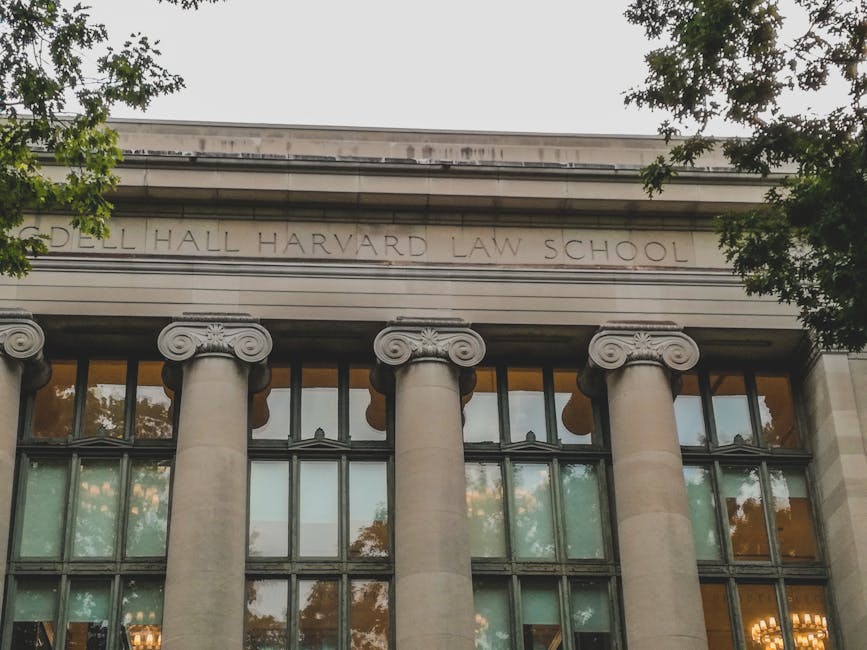
Boston, USA — Artificial Intelligence (AI) is rapidly transforming the landscape of higher education administration. From streamlining admissions processes to optimizing campus management, AI technologies are paving the way for smarter universities. As institutions grapple with increasing enrollment demands and budget constraints, the integration of AI offers a solution that could redefine the educational experience for students and administrators alike.
In the admissions department, AI algorithms are already at work. Institutions like the University of Arizona have implemented AI-driven tools that analyze prospective students’ data to identify the best candidates for admission. This not only speeds up the decision-making process but also helps universities focus on diversity and inclusion by removing biases that may influence human decision-makers[1]. By utilizing AI, schools can enhance their ability to attract a varied applicant pool, ensuring that they are not just evaluating candidates based on traditional metrics.
Moreover, AI is making significant strides in financial management within universities. Tools powered by machine learning are being used to predict enrollment trends and optimize financial aid distribution. For instance, Georgia State University has seen success with its AI-based advising system, which has reduced student dropout rates by 20% by providing tailored financial advice to students[2]. This proactive approach enables schools to allocate resources more effectively, ensuring that students receive the support they need to succeed.
The integration of AI in campus management is equally noteworthy. Facilities management systems equipped with AI can analyze data from various sources—such as energy usage, maintenance requests, and occupancy rates—to optimize operations and reduce costs. Institutions like Stanford University have adopted these technologies, resulting in energy savings of up to 25%[3]. This not only contributes to sustainability efforts but also frees up funds for academic programs.
This proactive approach enables schools to allocate resources more effectively, ensuring that students receive the support they need to succeed.
You may also like
 Career Development
SSC Stenographer 2025 Result Announcement
The SSC Stenographer 2025 results are expected soon. Find out how to download your results and what the cutoff scores mean for your career.
Read More →However, the shift toward AI in higher education is not without its challenges. The reliance on algorithm-driven solutions raises ethical questions about data privacy and the potential for systemic bias. Institutions must navigate these concerns while implementing AI tools that prioritize transparency and fairness. As noted by experts, universities should be cautious in their approach—balancing the benefits of AI with the need for ethical oversight[4].
Additionally, there’s a growing concern about the digital divide. Not all students have equal access to technology, which can exacerbate existing inequalities in education. As universities adopt AI solutions, they must also ensure that all students have the necessary resources to benefit from these advancements. Addressing this issue will be crucial in creating equitable educational environments.
Looking ahead, the potential for AI in higher education seems boundless. As technology continues to evolve, we can expect to see even more innovative applications that enhance the academic experience. For instance, AI could play a pivotal role in personalized learning, tailoring educational content to fit individual student needs and learning styles. This could lead to improved engagement and academic performance, particularly in large lecture courses where personalization has historically been a challenge.
Furthermore, as AI systems become more sophisticated, they may be able to provide predictive analytics that help institutions anticipate student needs and trends before they arise. This foresight could enable universities to adapt their offerings in real-time, ensuring that they remain relevant in an ever-changing educational landscape.
For instance, AI could play a pivotal role in personalized learning, tailoring educational content to fit individual student needs and learning styles.
Ultimately, the integration of AI in higher education administration presents a unique opportunity for institutions to innovate and improve their operations. By embracing these technologies while being mindful of ethical considerations and accessibility, universities can not only enhance their administrative functions but also enrich the educational journeys of their students. As we move toward a future where AI is woven into the fabric of educational systems, the key will be to strike a balance between technological advancement and human oversight.
You may also like
 Business Innovation
AI‑Enabled Skills Training Redefines Sales ROI in a Structurally Shifting Landscape
AI‑enabled skills training is reshaping sales economics by aligning personalized learning with revenue outcomes, thereby turning talent development into a quantifiable competitive advantage.
Read More →