No products in the cart.

Airbus Wins 25-Year Cybersecurity Contract for French Military

The contract aims to bolster the cybersecurity infrastructure of the French military, emphasizing the need for advanced protective measures against evolving cyber threats.

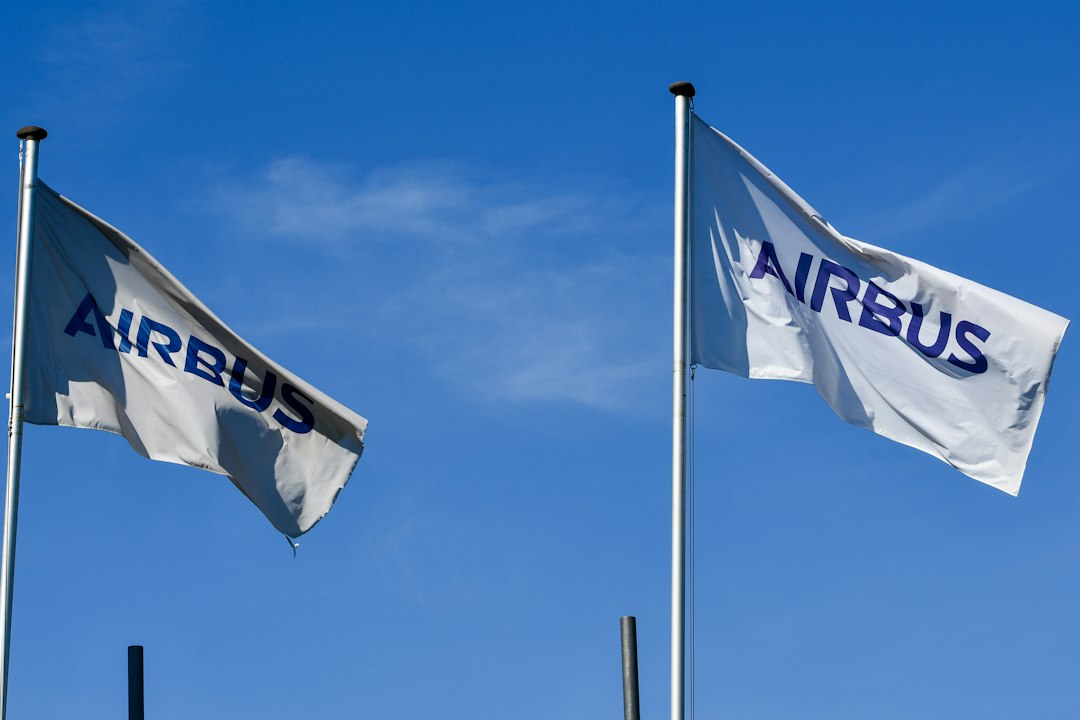
Airbus has secured a 25-year cybersecurity contract with the French military. This deal, announced on September 23, 2026, shows a strong commitment to improving national defense. It highlights the increasing importance of cybersecurity in military operations and reflects a trend in defense spending. As countries focus more on cyber resilience, this contract opens new opportunities for cybersecurity professionals in defense.
The contract aims to strengthen the cybersecurity infrastructure of the French military. It emphasizes the need for advanced protective measures against evolving cyber threats. With this long-term agreement, Airbus will integrate innovative cybersecurity solutions into military operations. This ensures the protection of sensitive information and systems. This move highlights Airbus’s strategic role in defense and signals a shift in how military organizations approach cybersecurity.
Growing Demand for Cybersecurity Expertise in Defense
The contract with the French military shows a rising demand for cybersecurity expertise in defense sectors worldwide. As military operations become more digital, the risk of cyber threats increases. This creates a need for skilled professionals to protect critical systems. Career Ahead analysis indicates that the defense sector will likely see more job openings for cybersecurity roles.
Experts predict that the need for cybersecurity professionals in the military will grow significantly in the next decade. This demand will create opportunities for roles like cybersecurity analysts, penetration testers, and incident response specialists. The use of advanced technologies, such as artificial intelligence and machine learning, in military cybersecurity will drive the need for skilled professionals. This is especially relevant as the French military modernizes its capabilities, aligning with trends noted by Bloomberg in aerospace manufacturing and defense contracts.
The use of advanced technologies, such as artificial intelligence and machine learning, in military cybersecurity will drive the need for skilled professionals.
Additionally, the French military’s partnership with Airbus highlights a trend where defense contracts prioritize cybersecurity capabilities. Military contractors now face stricter requirements for data protection and system integrity. Professionals with specialized cybersecurity skills will be essential in meeting these challenges. This shift impacts hiring practices and influences the skills that candidates should develop. Long-term contracts, like this one, indicate a move toward sustained cybersecurity efforts rather than short-term fixes. This approach will shape how military organizations assess their cybersecurity needs and the qualifications they seek in potential hires.
As a result, cybersecurity professionals in defense should prepare for an evolving landscape where their expertise will be vital. The demand for specialized skills will likely lead to competitive salaries and better career prospects for those proficient in cybersecurity technologies. The ongoing partnership between Airbus and the French military may set a precedent for similar contracts in other nations, potentially reshaping the global defense landscape.
Impact on Defense Contracting Processes and Requirements
The Airbus contract shows how defense contracting processes are changing to emphasize cybersecurity. With more reliance on digital systems, military organizations now require contractors to demonstrate strong cybersecurity measures in their proposals. This trend reshapes the criteria for awarding contracts, making security a top priority alongside cost and performance.
Career Ahead research suggests that military contract managers will need to adapt by acquiring new skills related to cybersecurity. Understanding the technical requirements and compliance standards for cybersecurity contracts will be essential for successful contract management. This shift may require closer collaboration between technical teams and contract managers to address all cybersecurity aspects. A recent Bloomberg article notes that the competitive landscape in aerospace manufacturing is influencing how defense contracts are structured, with companies like Airbus needing to stay ahead of technological advancements.
Understanding the technical requirements and compliance standards for cybersecurity contracts will be essential for successful contract management.
Moreover, the long-term nature of the Airbus contract suggests that defense organizations will favor partnerships with firms that provide ongoing cybersecurity support. This shift may lead to fewer companies holding multiple long-term agreements, streamlining cybersecurity management across military operations. Such a trend could result in greater stability for contractors but also increased pressure to meet complex cybersecurity requirements.
As military organizations refine their procurement strategies, they will likely seek contractors with proven cybersecurity experience. This emphasis on experience will encourage emerging firms to invest in building their cybersecurity capabilities to compete effectively for future contracts. Established firms like Airbus will benefit from their existing expertise and resources. The implications of this contract extend beyond immediate financial commitments; they signal a strategic shift in defense priorities amid ongoing global cybersecurity threats.
In this context, professionals in the defense sector should stay informed about changes in contracting practices and their implications for their roles. As cybersecurity becomes a central focus, understanding the regulatory landscape and emerging technologies will be crucial for career advancement in military contracting.
Airbus’s cybersecurity contract with the French military represents a significant financial commitment and a strategic shift in defense priorities. As military operations adapt to cyber warfare realities, the demand for cybersecurity professionals will only grow. This trend offers unique opportunities for engineers and contract managers to position themselves favorably in a competitive job market.
In conclusion, as military cybersecurity continues to evolve, professionals in the field must remain agile and responsive to new trends. The ongoing partnership between Airbus and the French military may set a precedent for similar contracts in other nations, potentially reshaping the global defense landscape.
Cybersecurity roles in military contracts require technical skills, including network security, threat analysis, and incident response.
Frequently Asked Questions
What skills are needed for cybersecurity roles in military contracts?
Cybersecurity roles in military contracts require technical skills, including network security, threat analysis, and incident response. Professionals should also know compliance standards and regulations specific to defense contracting.
How can military contract managers prepare for long-term cybersecurity projects?
Military contract managers can prepare by understanding cybersecurity requirements and best practices. This may involve collaborating with technical teams and continuous education on emerging cybersecurity trends and technologies.

What opportunities exist for engineers in defense cybersecurity initiatives?
Engineers in defense cybersecurity can find roles in systems engineering, cybersecurity analysis, and software development. The demand for specialized skills in these areas is expected to grow as military organizations enhance their cybersecurity measures.
Related Articles
Written by Career Ahead AI. AI can make mistakes, so verify key facts. Report errors to support@careeraheadonline.com.