No products in the cart.

India’s Growth Forecasts Up, RBI Rate Hike Anticipated

The Indian economy expanded by 7.8% in the June quarter, driven by strong industrial activity, consumer spending, exports, and government investments.

India’s economy is poised for a positive change. Global rating agencies S&P and Fitch have raised their GDP growth forecasts. On September 23, 2026, S&P increased its projection to 7%. Fitch revised its estimate to 6.9%. Both agencies attribute this optimistic outlook to strong economic activity in the June quarter. However, they warn that rising inflation and energy costs may force the Reserve Bank of India (RBI) to raise interest rates by at least 25 basis points soon.
The Indian economy grew by 7.8% in the June quarter. This growth was driven by strong industrial activity, consumer spending, exports, and government investments. It exceeded expectations, prompting S&P and Fitch to adjust their forecasts. The Asian Development Bank (ADB) has also raised its growth forecast for India to 7% from 6.6%. This further boosts the positive sentiment about India’s economic prospects. According to the ADB, growth is supported by a rebound in manufacturing and services, which are vital for long-term momentum.
Positive Economic Indicators Amid Challenges
Despite the encouraging growth figures, S&P and Fitch have pointed out potential risks. S&P’s analysis shows that inflation, especially in energy prices, could affect consumer spending and investment decisions. The agency predicts that consumer inflation will average around 5.1% for the fiscal year 2027. This could lead to higher borrowing costs for individuals and businesses. Rising costs of essential goods may also strain household budgets, reducing discretionary spending.
Fitch’s outlook reflects similar concerns about inflation. It predicts inflation will rise to 5.5% by December 2026. This expected increase may prompt the RBI to raise its benchmark interest rate from 5.25% to 5.5% in October 2026. Fitch also forecasts another rate hike to 5.75% in early 2027, stabilizing again at 5.5% in 2028. This suggests growth may remain strong, but borrowing costs will likely rise, affecting consumer spending and business investments. Higher interest rates could slow sectors that depend on financing, like real estate and consumer durables, as increased costs may deter new purchases and investments.
This suggests growth may remain strong, but borrowing costs will likely rise, affecting consumer spending and business investments.
Career Ahead’s analysis shows a strong link between rising interest rates and consumer spending. As borrowing costs rise, financial analysts should expect a potential slowdown in consumer spending. This could impact overall economic growth, especially in sectors like retail and real estate. Reduced consumer spending may also affect employment rates, as businesses might cut back on hiring or investment plans due to decreased demand.
Additionally, the expected RBI rate hikes may influence investment strategies. Financial analysts and economists will need to adjust their forecasts for interest-sensitive sectors. Industries like construction and automotive, which often rely on financing, may face challenges as borrowing costs rise. Fitch analysts have noted that sectors like infrastructure and manufacturing could also slow down if borrowing costs increase significantly, affecting the overall investment climate in India.
Investment Strategies and Economic Implications
The growth forecast upgrades by S&P and Fitch indicate a strong economic environment. However, the potential rate hikes add complexity for financial analysts in India. Rising interest rates may lead to a reevaluation of investment strategies across various sectors. Analysts must closely monitor how these changes affect consumer behavior and business investments. The financial services sector may see increased demand for analysts who can interpret these economic signals effectively. Professionals skilled in economic forecasting and risk assessment will be crucial as businesses navigate this changing landscape.
Moreover, financial markets may react to these developments. As the RBI raises interest rates, market participants may adjust their portfolios in anticipation of tighter monetary policy. This could lead to fluctuations in stock prices, especially in interest-sensitive sectors. Financial analysts at Hindustan Times suggest that sectors like banking and real estate may face volatility as investors reassess their positions due to changing interest rates.
Professionals skilled in economic forecasting and risk assessment will be crucial as businesses navigate this changing landscape.
Furthermore, the expected rate hikes could impact foreign investment in India. As borrowing costs rise, foreign investors may rethink their strategies, especially in debt-dependent sectors. This could slow foreign direct investment (FDI) inflows, affecting sectors like infrastructure and manufacturing. Fitch analysts warn that a decline in FDI could hinder India’s long-term growth, especially as the country aims to boost its manufacturing capabilities and attract global supply chains.
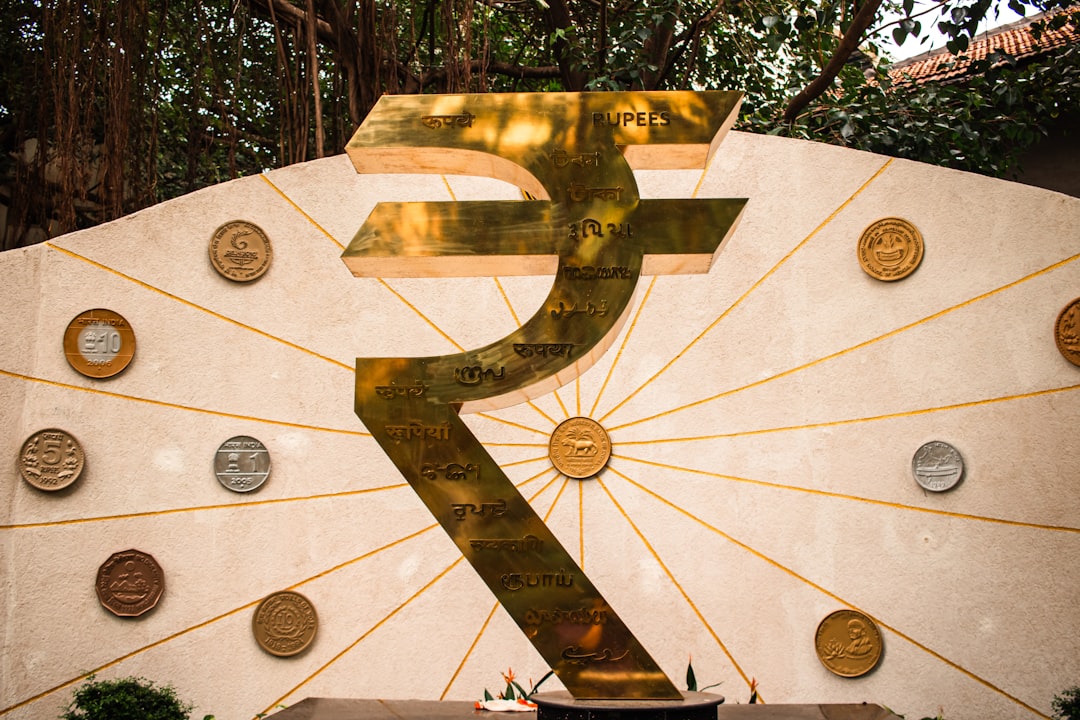
In summary, while S&P and Fitch’s upgrades to India’s growth forecasts are encouraging, the potential for rising interest rates adds uncertainty. Financial analysts must be ready to navigate these changes and adjust their strategies accordingly. As we look ahead, the relationship between inflation, interest rates, and economic growth will be crucial to monitor. Will the RBI manage inflation effectively without stifling growth? This question remains as the economic landscape evolves.
Frequently Asked Questions
What are the implications of RBI’s rate hike for financial markets?
The RBI’s anticipated rate hike could raise borrowing costs, affecting consumer spending and business investments. Financial markets may react, especially in interest-sensitive sectors.
What should financial analysts consider when interpreting growth forecasts?
How do S&P and Fitch’s growth forecasts impact investment decisions?
Upgraded growth forecasts from S&P and Fitch signal a positive economic outlook. This may encourage investment in growing sectors, but potential rate hikes could lead to a reassessment of strategies.

What should financial analysts consider when interpreting growth forecasts?
Financial analysts should consider the broader economic context, including inflation trends and interest rate projections. Understanding these factors is crucial for informed investment decisions.
Written by Career Ahead AI. AI can make mistakes, so verify key facts. Report errors to support@careeraheadonline.com.