No products in the cart.

AI’s Polarizing Reception at Graduation Ceremonies
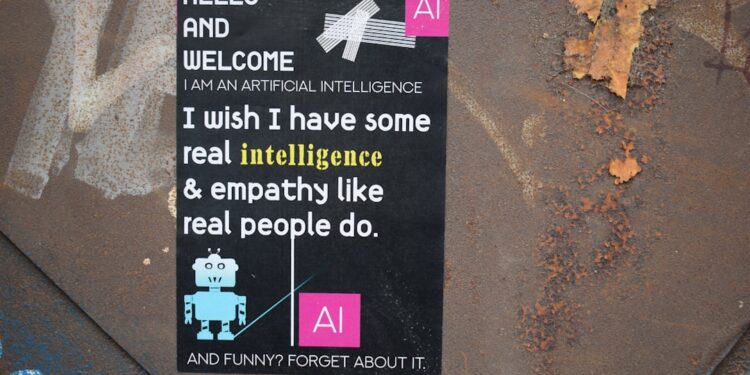
A recent graduation speech on AI sparked a mixed reaction from the audience, highlighting deep-seated anxieties about job security and technological change.

Orlando, USA — A recent graduation ceremony at the University of Central Florida stirred significant debate when speaker Gloria Caulfield praised artificial intelligence (AI) as the “next industrial revolution.” The crowd’s audible booing in response highlights a growing anxiety among young people about the impact of AI on their future job prospects. This incident reflects a broader societal divide regarding the role of technology in the workforce.
Caulfield, the vice president of strategic alliances at Tavistock Development Company, attempted to frame AI as a transformative force, akin to the internet and mobile technology. However, her optimistic view was met with resistance from graduates who fear that AI may threaten their employment opportunities. The mixed reactions during her speech encapsulate the tension between technological advancement and job security.
AI’s Growing Influence on Employment
According to a Harvard Youth Poll, a significant majority of young people aged 18 to 29 believe that AI poses a threat to their job prospects. This sentiment is echoed by recent layoffs across various industries, with at least 12 major companies citing AI as a factor in their workforce reductions. As automation becomes increasingly capable, many graduates feel the pressure of entering a labor market that may not have room for them.
The fear surrounding AI is not unfounded. Analysts suggest that automation could significantly impact job availability in various sectors, particularly in manufacturing, retail, and even professional services. This looming threat creates a landscape of uncertainty for new graduates who are entering a competitive job market. In fact, a report from the Pew Research Center highlights that nearly 70% of young adults express concern about the potential for AI to replace their jobs, reflecting a pervasive anxiety that permeates their transition into the workforce.
Despite these fears, advocates for AI argue that it can also create new job opportunities and industries. Caulfield’s speech highlighted this potential, suggesting that AI could lead to innovations and roles that do not yet exist. However, this optimistic perspective often clashes with the immediate concerns of those who fear job displacement.
This sentiment is exacerbated by the perception that AI development is often driven by corporate interests rather than the needs of the workforce.
Contrasting Views on Technological Progress
The polarized reactions to Caulfield’s speech reflect a broader societal debate about the benefits and drawbacks of technological progress. While some see AI as a tool for enhancing productivity and creating new opportunities, others view it as a threat to their livelihoods. This divide is particularly pronounced among younger generations, who are more likely to be affected by the rapid changes in the job market.
You may also like
 Entrepreneurship & Business
Rivian’s sales pop as the company’s big R2 bet starts to pay off
This surge is particularly noteworthy as it comes amid a broader decline in the EV market, where overall sales have dropped nearly 24% year-over-year.
Read More →In her speech, Caulfield compared the rise of AI to previous technological revolutions, suggesting that past fears about job loss were ultimately unfounded. She pointed to the internet and mobile technology as examples of how innovation can lead to new industries and economic growth. However, this historical analogy may overlook the unique challenges posed by AI, which has the potential to replace jobs at a faster rate than previous technologies. The emotional response from the audience underscores a deeper cultural anxiety about the pace of change in today’s world. As technology evolves rapidly, many individuals feel left behind or unprepared for the future. This sentiment is exacerbated by the perception that AI development is often driven by corporate interests rather than the needs of the workforce.
Moreover, the backlash against Caulfield’s remarks indicates a critical moment where the younger generation is voicing their apprehensions about a future they feel is being shaped without their input. The palpable tension in the auditorium serves as a microcosm of the larger societal discourse surrounding AI and its implications for employment.
Future Implications of AI Adoption
The implications of AI adoption will likely extend beyond immediate job displacement. As companies integrate AI into their operations, the skills required for many roles will evolve. This shift necessitates a reevaluation of educational curriculums and workforce training programs to ensure that future generations are equipped with the skills needed to thrive in an AI-driven economy.
Moreover, policymakers will need to address the potential societal impacts of AI, including income inequality and access to opportunities. If left unregulated, the benefits of AI could disproportionately favor those with the resources to adapt, leaving vulnerable populations further behind. This potential for widening inequality demands a proactive approach to workforce development and economic policy.
In this context, the role of educational institutions becomes critical. Universities and colleges must not only prepare students for existing jobs but also instill a mindset of adaptability and lifelong learning. As the nature of work continues to change, graduates will need to embrace a continuous learning approach to remain competitive.
Universities and colleges must not only prepare students for existing jobs but also instill a mindset of adaptability and lifelong learning.

Revisiting the AI Narrative
You may also like
 Entrepreneurship & Business
Bajaj Finance set to mop up Rs 17,500 crore via QIP, warrants
Bajaj Finance plans to raise ₹17,500 crore through a qualified institutional placement (QIP) and warrants, marking its first major capital raise since November 2023. This…
Read More →The narrative surrounding AI must evolve to reflect the complexities of its impact on society. While it is essential to acknowledge the potential benefits of AI, it is equally important to address the legitimate concerns of those who feel threatened by its rise. A balanced discourse is necessary to foster a constructive dialogue about the future of work in an increasingly automated world.
For instance, leaders in technology and business must engage with the workforce to understand their fears and aspirations. By creating platforms for open dialogue, stakeholders can work together to shape a future that leverages AI while prioritizing human welfare. Additionally, as the public discourse around AI continues to develop, it is crucial for media representations to avoid sensationalism. Instead, a nuanced portrayal of AI’s impacts, including both its potential and its challenges, can help demystify the technology and foster informed discussions among the public.

Career Relevance in an AI-Driven World
For young professionals entering the job market, understanding the implications of AI is crucial for career planning. As industries evolve, adaptability and a willingness to learn new skills will be key to success. Graduates should focus on developing competencies that complement AI technologies, such as critical thinking, creativity, and emotional intelligence.
Moreover, networking and engaging with mentors in their fields can provide valuable insights into navigating an AI-influenced landscape. By building connections and staying informed about industry trends, young professionals can position themselves for success in a rapidly changing job market.
As the world grapples with the implications of AI, fostering a collaborative approach between technology, education, and the workforce will be essential for creating a future that benefits all.
Ultimately, the mixed reactions to AI at graduation ceremonies highlight a critical moment in the ongoing conversation about technology and its role in society. As the world grapples with the implications of AI, fostering a collaborative approach between technology, education, and the workforce will be essential for creating a future that benefits all.
You may also like
 Entrepreneurship & Business
Zoho Arattai Challenges WhatsApp Business Pricing | Career Outlook
Arattai for Business is designed to facilitate communication within organizations and with customers. According to Zoho's founder, Sridhar Vembu, the platform not only supports messaging…
Read More →Sources: Entrepreneur, Harvard Youth Poll, Pew Research Center.