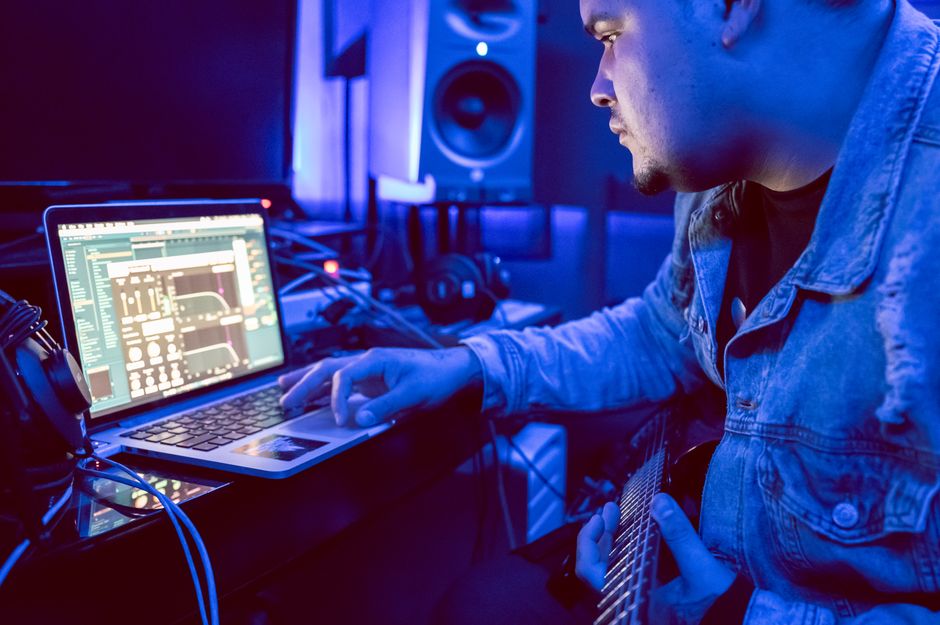
Sean Parker, co-founder of Napster, is steering Stability AI into the music industry with a vision to transform how music is created and produced. Following his involvement in an $80 million rescue of Stability AI, which faced significant financial and management challenges, Parker announced a strategic pivot for the company. Stability AI will now focus on developing AI tools tailored specifically for music professionals. This shift is backed by substantial funding, including $76 million from major music labels such as Sony, Warner, and Universal, who have also licensed their catalogs for AI training.
The new direction of Stability AI is poised to impact various aspects of music creation. The company has already launched three new audio models and AI music-editing software capable of generating complete instrumental tracks or short snippets based on text prompts. Parker envisions a feature that allows users to hum a melody or beatbox a drum pattern to guide the AI in music creation. This development highlights the increasing intersection of technology and artistry in the music sector, with Parker aiming for Stability AI to become the leading AI toolmaker for music professionals.
Opportunities for Music Tech Innovators
The transition to AI-driven music creation presents numerous opportunities for music tech innovators. With the backing of major labels, Stability AI is well-positioned to lead in providing tools that enhance creativity and streamline production processes. Innovators can leverage these advancements to develop new applications that integrate AI into various stages of music production, from composition to mixing and mastering. According to Daily.dev, AI tools have the potential to democratize music creation, enabling more individuals to participate regardless of their technical expertise.
Research from Career Ahead indicates that the demand for AI-driven music production tools is likely to increase.
Research from Career Ahead indicates that the demand for AI-driven music production tools is likely to increase. Artists and producers are actively seeking innovative ways to enhance their creative processes, creating a need for specialists who can design and implement AI solutions tailored for music production. Innovators must prioritize user-friendly interfaces that allow artists to interact seamlessly with AI technologies. As AI continues to evolve, collaboration between tech developers and artists is expected to grow, leading to the emergence of new genres and styles that blend human creativity with machine learning.
Redefining Music Creation with AI
The integration of AI into music creation is not merely about efficiency; it fundamentally redefines the creative landscape. Stability AI’s tools are designed to empower artists with novel ways to express their creativity. The ability to generate music from simple prompts or vocal inputs fosters a more collaborative and experimental approach. As AI assumes a larger role in music production, artists will need to adapt, potentially altering traditional roles within the industry. Producers and sound engineers may find their tasks evolving as AI takes on more creative responsibilities, leading to a new hierarchy in music production where artists and AI collaborate closely.
Career Ahead’s analysis suggests that the rise of AI in music will increase the demand for professionals who can bridge the gap between technology and artistry. Roles such as AI music developers, who create algorithms capable of understanding and generating music, will become increasingly vital. These professionals will need to possess a blend of technical skills and artistic sensibility to thrive in this evolving landscape. As AI-generated music gains traction, legal and ethical questions surrounding copyright, ownership, and creativity will also emerge, necessitating collaboration among artists, labels, and tech companies to establish guidelines that protect all stakeholders.
Stability AI’s focus on music underscores a pivotal moment for the industry. The convergence of AI and music creation not only enhances production capabilities but also fosters new artistic expressions. As this evolution unfolds, it is crucial for music professionals to embrace these changes and explore the possibilities that AI presents. According to CXO Digitalpulse, AI’s potential to reshape the music landscape is vast, offering opportunities for innovation and creativity that could redefine music production and consumption.
As this evolution unfolds, it is crucial for music professionals to embrace these changes and explore the possibilities that AI presents.
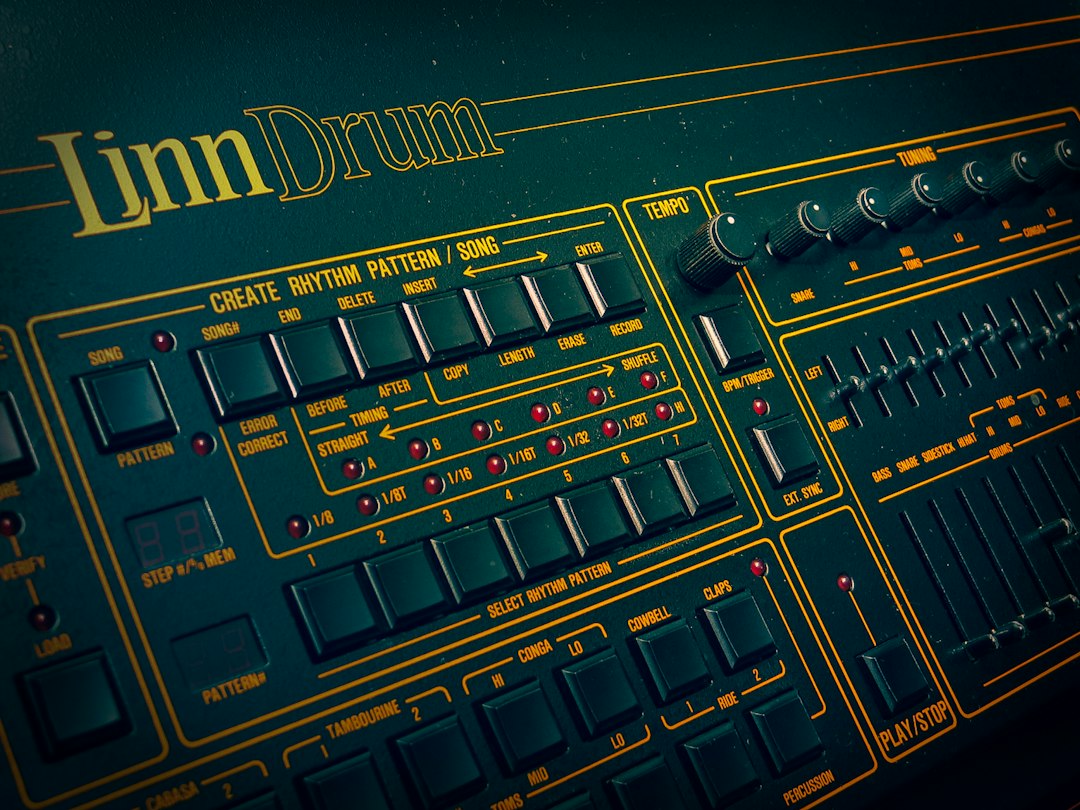
The partnership between AI technologies and artists is set to redefine the music landscape. With Stability AI’s tools, musicians can experiment with new sounds and compositions in ways that were previously unimaginable. This collaboration can lead to innovative music that merges human creativity with machine learning. For instance, a musician might use AI to generate a base track and then layer their vocals and instruments on top, creating a rich tapestry of sounds that reflects both human emotion and technological precision.
As the collaboration between AI and artists continues to grow, it could democratize music production, allowing a broader range of voices and styles to enter the mainstream music scene. However, as this collaboration flourishes, artists must strive to maintain their unique identities. While AI can enhance the creative process, it should not overshadow the human element that makes music powerful. Artists must find a balance between utilizing AI’s capabilities and preserving their individual styles and narratives.
In summary, the future of music creation with AI is filled with potential. As Stability AI refines its technology and expands its offerings, the music industry may undergo a significant transformation, reshaping how music is created, produced, and experienced. The coming years will be crucial as artists and tech developers navigate this new landscape together.
Frequently Asked Questions
What new tools will music tech innovators need to adapt to AI changes?
Music tech innovators must familiarize themselves with AI music generation tools and software that integrate human creativity with machine learning. Staying updated on the latest technologies will be essential for success in this evolving landscape.
Collaborating with artists and understanding their needs will be key to developing effective solutions.
How can AI music developers leverage Stability AI’s focus on music?
AI music developers can capitalize on Stability AI’s focus by creating specialized algorithms and tools that enhance music creation. Collaborating with artists and understanding their needs will be key to developing effective solutions.
What should music tech innovators do about the rise of AI in music production?
Music tech innovators should embrace the rise of AI by exploring new collaboration and integration opportunities. By staying informed about industry trends and AI capabilities, they can position themselves as leaders in this dynamic field.
Written by Career Ahead AI. AI can make mistakes, so verify key facts. Report errors to support@careeraheadonline.com.