No products in the cart.

Alabama Orders TikTok to Pay $300 Million for Child Safety Violations
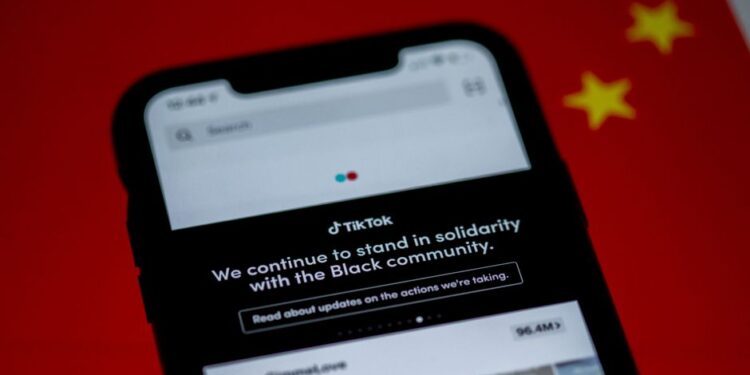
Alabama's recent ruling against TikTok, mandating a payment of up to $300 million for child safety violations, underscores the increasing regulatory scrutiny on social media platforms. This decision may influence future compliance measures and operational strategies across the industry.

Alabama has mandated TikTok to pay up to $300 million for failing to adhere to child safety regulations. This ruling, announced on September 25, 2026, is part of a broader initiative to ensure that social media platforms take adequate measures to protect minors online.
This landmark decision highlights the growing scrutiny that social media companies are facing regarding child safety. The financial implications for TikTok are substantial, as they not only face penalties but are also required to implement significant operational changes to comply with regulatory standards.
Financial Penalties and Compliance Costs for TikTok
The penalty imposed on TikTok includes $116 million stemming from a lawsuit settlement, along with an additional $100 million earmarked for compliance improvements aimed at enhancing protections for children. According to Alabama Reflector, this settlement reflects the state’s commitment to enforcing child safety laws in the digital landscape.
Moreover, TikTok is now required to implement stricter measures to monitor and limit daily usage among minors. This could necessitate major operational adjustments, including modifications to their advertising policies directed at younger users. Non-compliance could lead to further financial penalties, emphasizing the need for TikTok to adapt swiftly to these new regulations.
As noted by industry analysts, this financial penalty is indicative of a growing trend among states to hold social media platforms accountable for child safety. As regulatory pressures intensify, TikTok and similar platforms may encounter escalating compliance costs that could adversely affect their profitability and operational strategies.
In response to these regulations, social media companies may need to invest in new technologies and training programs to ensure that employees are well-versed in child safety protocols. Such investments could significantly alter how these companies allocate resources and manage their workforce.
Such investments could significantly alter how these companies allocate resources and manage their workforce.
Increased Scrutiny and Regulatory Landscape
The ruling from Alabama is part of a larger movement across the United States aimed at strengthening child protection laws for digital platforms. As reported by AOL, states are increasingly asserting their authority to regulate social media companies, particularly concerning content directed at minors.
This heightened scrutiny may lead to a patchwork of regulations that vary by state, complicating compliance for companies like TikTok. Consequently, social media platforms may need to develop robust compliance strategies to navigate these diverse legal landscapes while effectively serving younger audiences.
Research indicates that the implications of this ruling extend beyond mere financial penalties. The evolving regulatory environment may compel TikTok and its competitors to rethink their business models and marketing strategies. Companies may need to prioritize transparency and accountability to foster trust with regulators and users alike.

As regulators intensify their focus on child safety, social media platforms could face an increase in legal challenges from user complaints or advocacy groups, potentially leading to a cycle of litigation that complicates the regulatory landscape and heightens operational risks for these companies.
Future Implications for Social Media Platforms The financial and operational ramifications of the Alabama ruling may encourage other states to pursue similar actions against TikTok and other social media platforms.
Future Implications for Social Media Platforms
The financial and operational ramifications of the Alabama ruling may encourage other states to pursue similar actions against TikTok and other social media platforms. This trend could ignite a national dialogue on how best to protect children online while balancing the interests of the tech industry.
As child safety regulations evolve, social media companies may need to adopt more proactive measures to ensure compliance. This could involve forming partnerships with child advocacy organizations and investing in research to better understand the impact of their platforms on youth mental health.
Furthermore, the ruling may alter how advertisers approach campaigns targeting minors. Companies might feel increased pressure to ensure their advertisements adhere to stricter guidelines, reshaping digital marketing strategies aimed at younger audiences.
The outcome of this case could set a precedent for future legal actions, potentially leading to a wave of similar lawsuits nationwide. Therefore, social media platforms must remain vigilant and adaptable to the changing regulatory environment to mitigate risks and secure their long-term success.
As child safety regulations continue to evolve, platforms like TikTok face complex challenges. The question remains: how will they navigate these issues while maintaining their user base and profitability?
How will TikTok’s penalty affect future social media policies?
Frequently Asked Questions
What are the latest regulations on child safety for social media?
Recent regulations emphasize stricter compliance measures for social media platforms regarding child safety, including monitoring content aimed at minors and implementing usage limits.
How will TikTok’s penalty affect future social media policies?
The $300 million penalty may prompt stricter policies across the industry, with other states likely to follow Alabama’s lead, compelling social media companies to reassess their compliance strategies.

What should child safety regulators consider when evaluating social media platforms?
Regulators should evaluate the effectiveness of existing safety measures, transparency in operations, and the platforms’ capacity to adapt to changing regulations to ensure the protection of minors online.
Written by Career Ahead AI. AI can make mistakes, so verify key facts. Report errors to support@careeraheadonline.com.