No products in the cart.

Search for the Next Leader of the UN
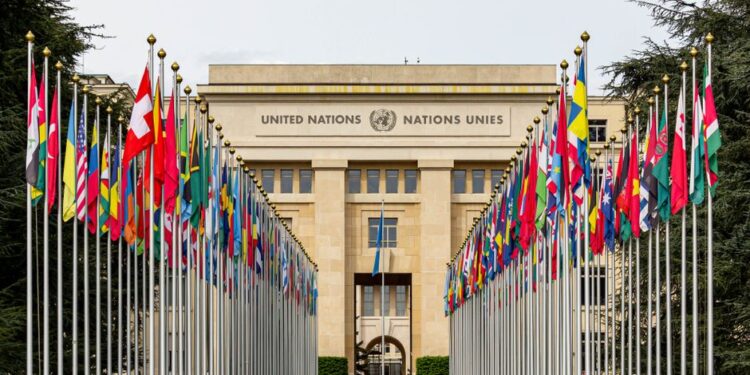
As nations rally to nominate candidates, the focus is on the qualifications and skills needed for this crucial role.

The search for the next leader of the United Nations is underway, following the announcement that the current Secretary-General’s term will conclude in late 2026. This transition is expected to have significant implications for international diplomacy, affecting the strategies and priorities of diplomats and political scientists worldwide.
As nations rally to nominate candidates, the focus is on the qualifications and skills needed for this crucial role. The new leader will not only set the tone for global policy but also influence how international relations are navigated in an increasingly complex geopolitical landscape.
Essential Qualifications for UN Leadership
The qualifications for the next UN leader are under intense scrutiny as member states consider their nominees. Candidates are expected to have extensive experience in international relations, diplomacy, and multilateral negotiations. The role demands a deep understanding of global issues such as climate change, security threats, and human rights.
Analysis indicates that candidates with a proven track record in conflict resolution and consensus-building will be favored. This is vital as the UN faces challenges that require collaborative solutions. Moreover, candidates with experience in international organizations or government positions are likely to have an edge in this competitive selection process.
Additionally, as the UN evolves, the next leader must possess strong communication skills to effectively engage with a diverse range of stakeholders, from world leaders to civil society organizations. The ability to articulate a clear vision for the future of the UN will be crucial in rallying support for initiatives and reforms.
Furthermore, a focus on innovative leadership styles, including a commitment to inclusivity and diversity, will be essential. The next leader must be adept at navigating the complexities of global diplomacy while fostering an environment where all voices are heard. This approach aligns with the UN’s mission to promote peace and security worldwide. According to a report from Foreign Policy, the next Secretary-General will need to balance traditional diplomatic practices with the demands of a rapidly changing global landscape, where issues like cybersecurity and public health are becoming increasingly prominent.
Additionally, as the UN evolves, the next leader must possess strong communication skills to effectively engage with a diverse range of stakeholders, from world leaders to civil society organizations.
Moreover, as the UN faces mounting pressures from member states advocating for more decisive action on pressing global issues, the next leader’s ability to forge consensus will be tested. The selection process is not merely about filling a position; it is about identifying a leader who can navigate the intricacies of international relations and respond effectively to the evolving challenges of our time.
Shifts in Diplomatic Careers
The appointment of a new UN leader will have direct implications for the careers of diplomats and political scientists. As the UN adapts to new leadership, there will be shifts in diplomatic strategies that professionals in international relations must navigate. For instance, a leader prioritizing climate action may lead to increased demand for diplomats skilled in environmental policy and sustainable development.
Research indicates that diplomats who specialize in emerging global issues will find new opportunities as the UN’s agenda evolves. Those with expertise in areas such as cybersecurity, public health, and migration will be particularly well-positioned to contribute to the UN’s initiatives under new leadership. As highlighted by Search Leaders, the evolving nature of global challenges necessitates that diplomats continuously update their skills and knowledge to remain relevant in their roles.
Moreover, the leadership style of the next UN Secretary-General will influence the operational strategies of the UN itself. A leader who emphasizes multilateralism may encourage greater collaboration among member states, impacting how diplomats engage in negotiations and policy-making. Conversely, a more unilateral approach could lead to tensions and challenges in achieving consensus. This dynamic will be critical, especially as geopolitical tensions rise and nations grapple with issues that require collective action.

Adapting Research and Analysis in Political Science
Political scientists will also need to adapt their research and analysis to align with the priorities set by the new leader. Understanding the implications of leadership changes on global policy will be crucial for those studying international relations. This could mean a shift in focus toward analyzing the effectiveness of new initiatives or exploring the dynamics of power within the UN. As the landscape of international relations shifts, scholars must be prepared to reassess their frameworks and methodologies to remain relevant in their analyses.
The transition period offers a unique opportunity for professionals to reassess their skills and align them with the anticipated changes in global diplomacy.
As the search for the next UN leader unfolds, it is essential for diplomats and political scientists to stay informed and agile. The transition period offers a unique opportunity for professionals to reassess their skills and align them with the anticipated changes in global diplomacy. This adaptability will be key in ensuring that they can effectively navigate the new landscape shaped by the incoming Secretary-General.
Implications for Global Governance
The selection of the next UN Secretary-General will undoubtedly shape the future of international diplomacy. The new leader’s approach to pressing global issues will set the tone for how the UN engages with member states and addresses challenges. This transition may also redefine the role of the UN in global governance, especially in the context of rising nationalism and geopolitical tensions.

As the international community anticipates the new leader’s priorities, it is important to consider how these changes will affect the diplomatic landscape. The next leader may prioritize specific issues, altering the focus of international relations and requiring diplomats to adapt their strategies accordingly. Furthermore, the evolving geopolitical environment will necessitate a leader who can navigate complex relationships among nations. The ability to build alliances and foster cooperation will be vital in addressing global challenges, from climate change to security threats. The next UN leader must be prepared to engage with both traditional allies and emerging powers.
The implications of this leadership change extend beyond the UN itself. As member states adjust to the new dynamics, the impact will be felt in various sectors, including trade, security, and humanitarian efforts. Diplomats will need to be proactive in adapting to these shifts, ensuring that their countries’ interests are represented effectively in the changing landscape.
Ultimately, the search for the next UN leader is not just about filling a position; it is about shaping the future of global diplomacy. As professionals in international relations and political science observe this transition, they must remain vigilant and prepared for the evolving demands of their field.
As professionals in international relations and political science observe this transition, they must remain vigilant and prepared for the evolving demands of their field.
Frequently Asked Questions
What qualifications are essential for diplomats aiming for UN leadership roles?
Analysis identifies that diplomats seeking UN leadership roles should have extensive experience in international relations, conflict resolution, and multilateral negotiations. Strong communication skills and a commitment to inclusivity are also key qualifications.
How will the new UN leader affect international relations careers?
The new UN leader will influence international relations careers by shifting diplomatic strategies and priorities. Diplomats with expertise in emerging global issues, such as climate policy and cybersecurity, will likely see increased opportunities as the UN’s agenda evolves.

What skills should political scientists develop in light of the upcoming UN leadership change?
Political scientists should focus on developing skills related to analyzing global policy changes and understanding the dynamics of power within the UN. Adapting their research to align with the new leader’s priorities will be crucial for their success in the field.
Written by Career Ahead AI. AI can make mistakes, so verify key facts. Report errors to support@careeraheadonline.com.