The lawsuit comes at a time of heightened tensions between the U.S. and China, particularly regarding technology and trade. Alibaba argues that it has no ties to the Chinese military and that the Pentagon's actions violate both its First Amendment rights and its ability to conduct business. This…
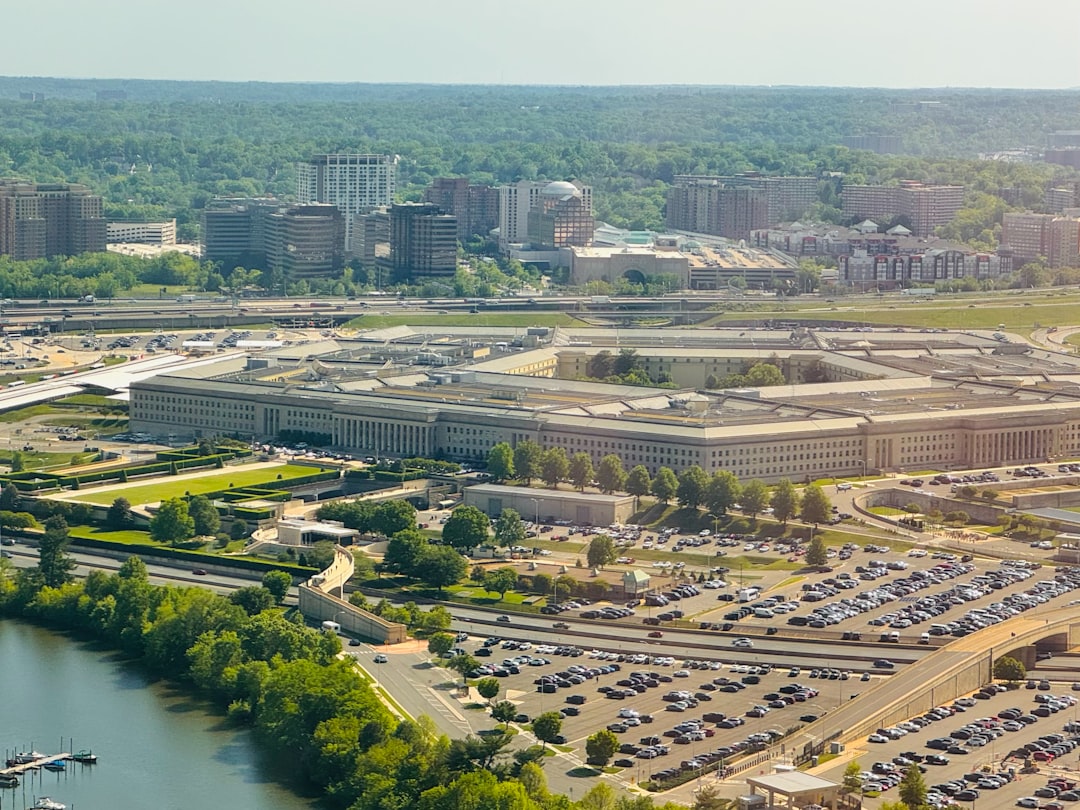
Alibaba, a leading Chinese tech company, has filed a lawsuit against the U.S. Department of Defense. This legal action challenges the Pentagon’s recent designation of Alibaba as a company affiliated with the Chinese military. The lawsuit was submitted on June 24, 2026, in the Federal District Court in California, claiming that the Pentagon’s label is unlawful and damaging to Alibaba’s business operations.
The lawsuit comes at a time of heightened tensions between the U.S. and China, particularly regarding technology and trade. Alibaba argues that it has no ties to the Chinese military and that the Pentagon’s actions violate both its First Amendment rights and its ability to conduct business. This designation not only restricts Alibaba’s dealings with the Pentagon but also affects its reputation and partnerships across the globe. According to a report by the New York Times, the U.S. government has added Alibaba to a list of companies that it claims support China’s military, a move that could further complicate the already tense U.S.-China relations.
Legal and Business Ramifications for Alibaba
Alibaba’s lawsuit could have significant repercussions for its business model and operations in the U.S. market. The designation as a military-affiliated company effectively bars Alibaba from participating in contracts with the Pentagon, which could limit its growth in the lucrative defense sector. The Pentagon’s move has already led to reputational damage, causing Alibaba to lose business partners and lobbying firms that might have otherwise worked with them. The Associated Press reported that this designation not only impacts Alibaba but also extends to other major Chinese firms, including manufacturers of electric vehicles and robotics, indicating a broader trend of scrutiny against Chinese technology companies.
Moreover, the legal battle underscores the broader implications of geopolitical tensions on international business. According to Career Ahead’s analysis, the designation reflects a growing scrutiny of Chinese tech firms operating in the U.S. This scrutiny could lead to stricter regulations and oversight of foreign companies, particularly those perceived to have military connections. As a result, cloud computing providers like Alibaba may need to reassess their strategies for entering and competing in the U.S. market. The lawsuit also raises questions about the future of foreign investment in U.S. technology, as companies may hesitate to engage with firms that could be designated as military-affiliated.
Additionally, the lawsuit could serve as a precedent for other tech companies facing similar designations. If Alibaba succeeds in its legal challenge, it may encourage other firms to contest government decisions that impact their business operations. Conversely, if the Pentagon’s designation is upheld, it could signal to other companies that they may face similar scrutiny and challenges when operating in the U.S. This situation may compel companies to invest more in lobbying efforts to protect their interests in the face of governmental designations.
Moreover, the legal battle underscores the broader implications of geopolitical tensions on international business.
Industry experts advocate for a distinct AI safety framework in India that caters to its cultural and technological landscape, contrasting with existing models from the…
Career Ahead research identifies that this legal action could also exacerbate existing tensions between the U.S. and China, particularly in the tech sector. As both nations vie for dominance in advanced technology and artificial intelligence, the implications of this lawsuit could extend beyond Alibaba, affecting the entire landscape of cloud computing and AI development. The ongoing legal proceedings may also prompt other countries to evaluate their own relationships with Chinese tech firms, potentially leading to a more fragmented global technology market.
Impact on AI Development Strategies
The ongoing legal battle between Alibaba and the Pentagon may influence AI development strategies for Chinese firms operating in the U.S. market. As the lawsuit progresses, cloud computing providers and AI developers must navigate the complexities of regulatory scrutiny and geopolitical tensions. Companies may need to adapt their strategies to mitigate risks associated with potential government designations. The Reuters report highlights that the designation effectively bars Alibaba from doing business with the Pentagon, which could significantly hinder its ability to collaborate on defense-related AI projects.
For instance, AI developers in China could face increased pressure to demonstrate their independence from the military and government affiliations. This pressure may lead to a shift in how these companies approach partnerships and collaborations with U.S. firms. They may need to invest in transparency initiatives to assure potential partners and clients of their compliance with U.S. regulations. Furthermore, the lawsuit could catalyze a re-evaluation of existing partnerships, as firms seek to distance themselves from any perceived military connections.
Moreover, the lawsuit highlights the necessity for Chinese tech firms to diversify their markets and reduce dependence on U.S. partnerships. With the increasing likelihood of regulatory hurdles, companies may seek to expand their presence in other regions or focus on domestic markets. This shift could alter the competitive landscape for cloud computing and AI development, as companies adapt to a more challenging environment. The potential for reduced collaboration between U.S. and Chinese firms may stifle innovation and slow the pace of technological advancement in both countries.
Career Ahead analysis finds that the ongoing tensions between the U.S. and China are likely to result in a fragmented technology market. As companies respond to these geopolitical dynamics, the potential for collaboration between U.S. and Chinese firms may diminish, limiting innovation and growth opportunities in the tech sector. In this context, it is essential for cloud computing providers and AI developers to remain vigilant and informed about the evolving regulatory landscape. Understanding the implications of legal battles like Alibaba’s can help these companies strategize effectively and navigate potential challenges.
Nigel Farage, leader of Reform UK, is under investigation by the standards commissioner regarding a £5m gift from crypto billionaire Christopher Harborne. The inquiry raises…
This shift could alter the competitive landscape for cloud computing and AI development, as companies adapt to a more challenging environment.
As the case unfolds, stakeholders in the tech industry should monitor the developments closely. The outcome of Alibaba’s lawsuit against the Pentagon could set a significant precedent for how tech firms operate in the face of geopolitical tensions.
Frequently Asked Questions
What are the implications of Alibaba’s lawsuit for cloud computing providers?
Alibaba’s lawsuit against the Pentagon could lead to increased scrutiny of cloud computing providers with ties to China. This designation may limit business opportunities for companies perceived as affiliated with the military, potentially reshaping the competitive landscape.
How might this affect AI developers in China working with U.S. companies?
Chinese AI developers may face heightened pressure to demonstrate independence from military affiliations. This scrutiny could impact their ability to collaborate with U.S. firms and necessitate a shift in their business strategies.
What should cloud computing providers do in response to geopolitical tensions?
Cloud computing providers should closely monitor regulatory changes and adapt their strategies to mitigate risks associated with potential government designations. This may involve diversifying markets and enhancing transparency to reassure partners and clients.




Government & Policy

Government & Policy