No products in the cart.

BHIM UPI to offer bouquet of financial products

NBSL's MD and CEO Lalitha Nataraj announced partnerships with banks to distribute credit cards and collaborate with non-banking financial companies for loans, enhancing the digital payment ecosystem.

India’s BHIM UPI is set to roll out a diverse range of financial products, including credit cards, loans, and insurance policies, as announced by NPCI BHIM Services Ltd. (NBSL) on June 24, 2026. This expansion aims to enhance the digital payment ecosystem and increase user engagement through integrated financial services.
In a media interaction, NBSL’s MD and CEO Lalitha Nataraj highlighted the partnerships with multiple banks to facilitate the distribution of credit cards and collaboration with non-banking financial companies (NBFCs) for loan offerings. The introduction of national pension schemes (NPS) is also on the table, with plans for insurance and investment products to follow shortly. This strategic move is expected to deepen financial services and cater to a broader audience, particularly those who have been underserved by traditional banking systems. According to a report by the Financial Express, these initiatives are part of BHIM UPI’s broader strategy to enhance financial inclusion across India.
Transforming User Experience with Integrated Financial Services
The BHIM UPI app has undergone significant upgrades since its launch in 2016, with the latest being the BHIM 3.0 rollout in 2025. This version maintains a focus on providing a simple and secure user interface while integrating advanced features that cater to a wider array of financial needs. The app’s evolution reflects a growing trend in the fintech industry, where user experience is paramount. As the digital landscape evolves, the need for seamless integration of various financial services becomes increasingly important.
Career Ahead’s analysis identifies that the introduction of these financial products will not only enhance customer loyalty but also attract new users to the platform. The ability to access various financial services from a single app can significantly streamline the user experience, making it more convenient for consumers to manage their finances. Moreover, the integration of the BHIM app into the mobile banking applications of partner banks is a strategic move that promises to simplify transactions for users. By providing banks with the technical infrastructure to incorporate UPI technology, NBSL can help eliminate the need for separate UPI systems, thus enhancing the overall efficiency of digital transactions.
As transaction volumes have surged—tripling from 79.64 million in June 2025 to 244 million in May 2026—this growth trajectory indicates a robust demand for digital payment solutions. The processed transaction value reached ₹26,952 crore in May 2026, further solidifying BHIM UPI’s role in India’s digital economy. This impressive growth is not just a reflection of increased user adoption but also highlights the effectiveness of reward-led adoption strategies and partnerships with merchants that have been pivotal in building user engagement. These initiatives not only attract new users but also retain existing ones, creating a sticky platform that can compete effectively with other digital payment solutions.
This impressive growth is not just a reflection of increased user adoption but also highlights the effectiveness of reward-led adoption strategies and partnerships with merchants that have been pivotal in building user engagement.
Opportunities for Fintech Product Managers and Innovators
The expansion of BHIM UPI’s offerings presents a wealth of opportunities for fintech product managers and digital payment innovators. By leveraging the new financial products, these professionals can enhance their service offerings and create tailored solutions for their users. The ability to integrate credit, loans, and insurance into a single app aligns with the current consumer demand for convenience and efficiency. As highlighted by Dpiresearch, the introduction of these products is expected to significantly alter the competitive landscape, compelling fintech companies to innovate rapidly to keep pace.
Career Ahead research finds that fintech companies that adapt to this evolving landscape will be well-positioned to capture market share. As users increasingly prefer platforms that provide comprehensive financial services, product managers must innovate to meet these expectations. This could involve developing features that facilitate seamless transitions between different financial services within the app. Furthermore, partnerships with banks and NBFCs will be crucial for fintech companies looking to expand their product portfolios. Collaborating with established financial institutions can provide the necessary credibility and infrastructure to launch new offerings effectively. As BHIM UPI shows, integrating technology with traditional banking services can drive significant growth in user adoption.
As more fintech companies explore similar integrations, the competitive landscape will become increasingly dynamic. Companies that fail to innovate may find themselves at a disadvantage, as consumers gravitate towards platforms that offer a more holistic approach to financial management. In this context, digital payment innovators should focus on understanding user needs and preferences to develop solutions that resonate with their target audience. The expansion of BHIM UPI serves as a case study for the potential benefits of comprehensive service offerings in the fintech space.
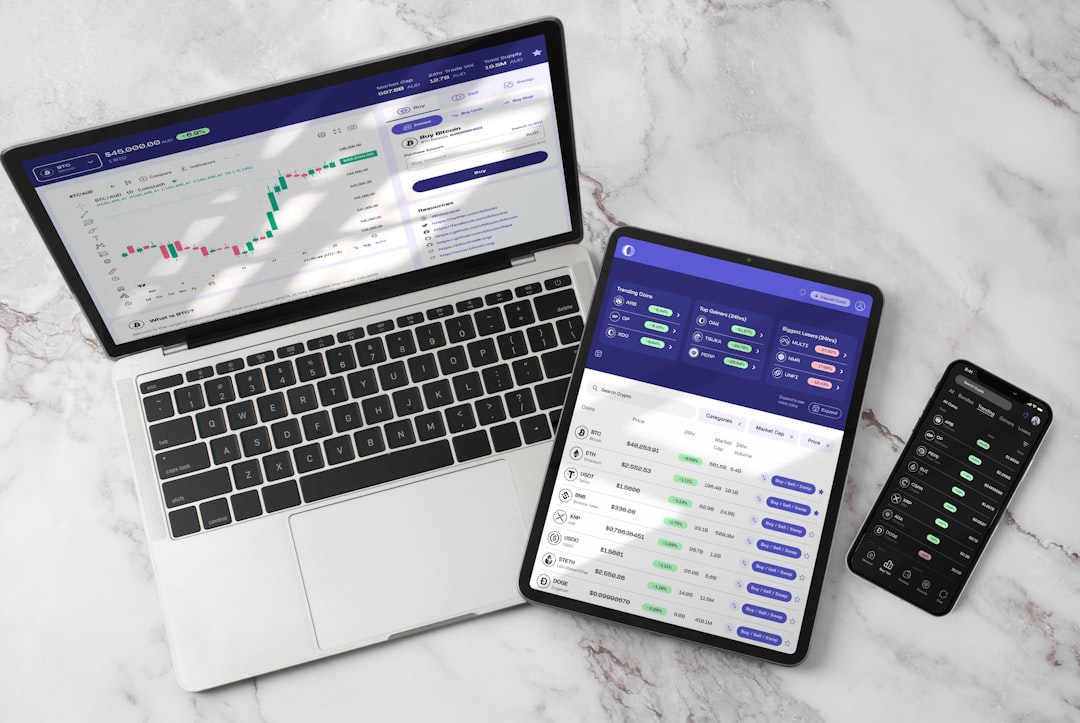
Looking ahead, the implications for the digital payments landscape in India are profound. The introduction of credit cards, loans, and insurance products could redefine how consumers interact with financial services. This shift not only enhances user engagement but also positions BHIM UPI as a formidable player in the fintech ecosystem. With a focus on financial inclusion, the expansion aligns with the Indian government’s broader goals of digitizing financial services and increasing access to banking for underserved populations. As more users adopt digital payment solutions, the potential for economic growth and financial literacy increases.
However, the success of these initiatives will depend on effective execution and the ability to adapt to user feedback. The fintech sector must remain agile, ready to pivot based on consumer response and market trends. As transaction volumes continue to rise, maintaining a user-centric approach will be key to sustaining growth. Looking forward, the integration of advanced technologies such as artificial intelligence and machine learning could further enhance the capabilities of digital payment platforms. These technologies can help personalize user experiences, improve security, and streamline processes, making digital payments even more appealing to consumers.
However, the success of these initiatives will depend on effective execution and the ability to adapt to user feedback.
As BHIM UPI continues to innovate, it will be crucial for fintech product managers and digital payment innovators to stay informed about emerging trends and evolving consumer needs. The next few years will likely see significant developments in the digital payments sector, driven by the expansion of platforms like BHIM UPI.
Frequently Asked Questions
What new features should fintech product managers consider with BHIM UPI’s expansion?
Fintech product managers should focus on integrating credit, loans, and insurance offerings into their platforms. This can enhance user engagement and provide a comprehensive financial service experience.
How will BHIM UPI’s new financial products affect digital payment strategies?
The introduction of new financial products will likely shift digital payment strategies towards more integrated services, encouraging platforms to offer a wider range of financial solutions to attract and retain users.

What should digital payment innovators do to leverage BHIM UPI’s new offerings?
Digital payment innovators should explore partnerships with banks and NBFCs to expand their service offerings. By aligning with established financial institutions, they can enhance credibility and infrastructure for launching new products.
Related Articles
- Natural diamonds are shining again
Written by Career Ahead AI. AI can make mistakes, so verify key facts. Report errors to support@careeraheadonline.com.