No products in the cart.

Alibaba Unveils Zhenwu V900 AI Chip Powerhouse

Alibaba Group has launched its new AI chip, the Zhenwu V900, claiming it to be the most powerful AI chip in China. This innovation is set to redefine AI chip design methodologies and meet the growing demand for AI hardware globally.

Alibaba Group has launched its new AI chip, the Zhenwu V900. The company claims it is the most powerful AI chip in China. CEO Eddie Wu made this announcement at the annual Apsara Conference in Hangzhou on September 22, 2026. The Zhenwu V900 can scale up to 500,000 cards per cluster, greatly boosting its processing power for various AI applications.
The launch comes as demand for AI hardware is rapidly rising. Alibaba plans to expand its data center capacity to over 20 gigawatts by 2032. This expansion aims to meet the growing needs of AI and cloud computing. Alibaba wants to lead in the AI infrastructure sector. As noted by LiveMint, this move is essential to accommodate the rising demand for AI-driven services.
Implications for AI Chip Design Methodologies
The Zhenwu V900 will redefine AI chip design methodologies. Unlike traditional chips that focus on single-threaded performance, this chip emphasizes parallel processing. This change allows data scientists and engineers to use the chip’s architecture for more complex AI models that need extensive data processing.
Career Ahead’s analysis shows that this new chip architecture may encourage engineers to adopt advanced parallel computing techniques. As AI models become more complex, engineers must rethink their design methods to use the Zhenwu V900’s capabilities fully. This could establish a new standard in AI chip design, prioritizing scalability and processing power.
This evolution will require new skills, focusing on network architecture and system integration.
Additionally, the chip’s ability to support many cards in a single cluster opens opportunities for distributed computing. Engineers must optimize interconnectivity and data flow between multiple chips to maximize performance. This evolution will require new skills, focusing on network architecture and system integration.
You may also like
 AI & Technology
Global trade reshapes around AI and new corridors
McKinsey’s analysis highlights a surge in tariff adjustments across the EU, USMCA and ASEAN in.
Read More →As data scientists use the Zhenwu V900, they will likely explore new ways for model training and inference. The chip’s enhanced processing power can lead to faster training times and handle larger datasets. This is crucial for developing more accurate AI models. The architecture supports training models with up to 10 trillion parameters, marking a significant leap for researchers and developers.
Overall, the Zhenwu V900 could drive innovation in AI hardware design. Engineers and data scientists must stay updated on these advancements to remain competitive. The implications of this chip go beyond performance; they indicate a shift in how AI applications are developed and deployed, as noted in a report by Reuters.
Performance Improvements and Opportunities in AI Models
The Zhenwu V900 promises significant performance improvements for AI models, especially in natural language processing and computer vision. Its advanced architecture can handle more parameters and complex computations, making it suitable for cutting-edge AI applications.
Data scientists will need to adapt their skills to work effectively with the new chip, focusing on optimizing algorithms for performance on the Zhenwu V900.
Data scientists will benefit from the chip’s capabilities, allowing them to train models with up to 10 trillion parameters. This complexity was previously unattainable with existing chips, which often struggled with memory bandwidth and processing speed. We can expect a surge in developing sophisticated AI applications that utilize these advancements.
You may also like
 AI & Technology
AI Development and the Future of U.S.-China Relations
The Trump-Xi summit on AI highlights the escalating competition between the U.S. and China, with significant implications for global AI funding and regulatory frameworks. Both…
Read More →Career Ahead research suggests that the rise of the Zhenwu V900 could lead to more investment in AI research and development across industries. Companies will likely want to integrate this technology to enhance their AI capabilities. This trend may create new job opportunities for data scientists and engineers specializing in AI model development and optimization.
The expansion of Alibaba’s data center capacity to support the Zhenwu V900 will have broad implications. As companies adopt this technology, demand for cloud-based AI services will rise. This will require skilled professionals to manage and optimize these systems. Data scientists will need to adapt their skills to work effectively with the new chip, focusing on optimizing algorithms for performance on the Zhenwu V900.
In summary, the Zhenwu V900 not only boosts performance but also opens new research and application avenues in AI. Data scientists and engineers must prepare to embrace these changes to take full advantage of the opportunities this technology presents. The chip’s introduction is expected to stimulate further advancements in AI applications, leading to innovations that could redefine industries.
Alibaba’s strategic positioning in the AI hardware market, along with the Zhenwu V900’s capabilities, shows the company’s commitment to leading AI infrastructure development. As the industry evolves, the implications for hardware engineers and data scientists are profound, signaling a transformative era in AI technology.
The next few years will be critical in determining the future of AI hardware and its impact on various industries.
Looking ahead, the question remains: how will companies adapt their AI strategies to leverage the full potential of the Zhenwu V900 and similar technologies? The next few years will be critical in determining the future of AI hardware and its impact on various industries.
Frequently Asked Questions
What are the specifications of Alibaba’s new AI chip?
The Zhenwu V900 can scale up to 500,000 cards per cluster. It offers enhanced processing power for complex AI applications. Its architecture supports advanced parallel processing, making it suitable for large-scale AI models.
How can data scientists leverage Alibaba’s AI chip for their projects?
You may also like
 AI & Technology
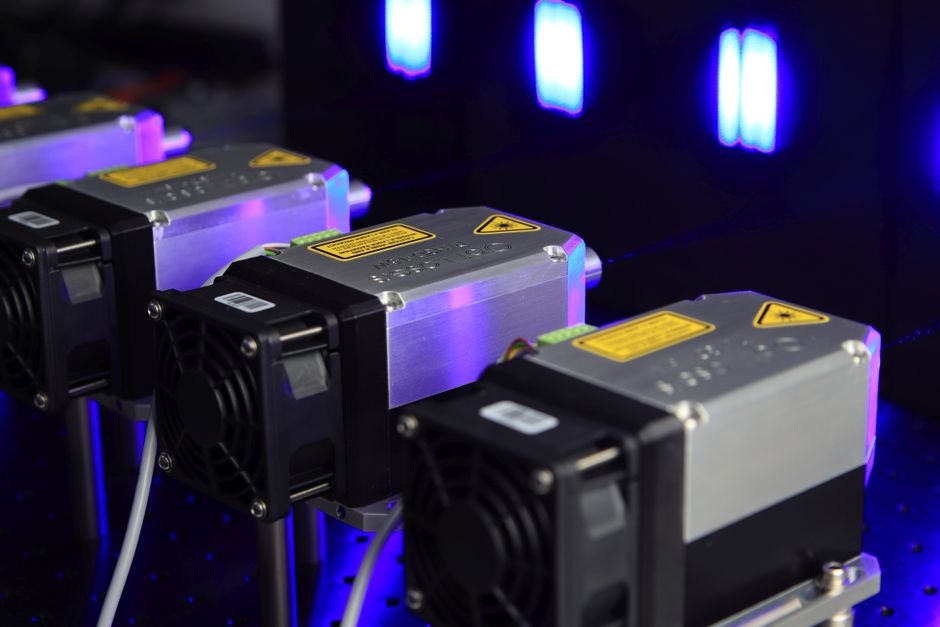
Morphotonics raises €40M to expand its display tech into data centers
Morphotonics has secured €40 million to enhance its display technology for the data center industry, focusing on innovative optical components.
Read More →Data scientists can use the Zhenwu V900 to train models with up to 10 trillion parameters. This significantly improves the accuracy and complexity of AI applications. The chip allows for faster training times and can handle larger datasets.

What should hardware engineers consider when designing AI chips in light of Alibaba’s launch?
Hardware engineers should optimize for parallel processing and interconnectivity to fully leverage the Zhenwu V900’s capabilities. Understanding the architecture and its integration with data center infrastructure will be crucial for future designs.