No products in the cart.

Experts Raise Safety Concerns as Self-Driving Cars Become Mainstream

As self-driving cars gain traction, experts express growing safety concerns. The industry faces challenges in adapting safety protocols and regulations to keep pace with technological advancements, impacting automotive engineers and regulatory policies.

Experts are increasingly voicing concerns about safety as self-driving cars become more common. The latest developments in autonomous vehicle technology have raised questions about the adequacy of existing safety regulations. With companies like Tesla pushing the boundaries of self-driving capabilities, the industry is at a critical juncture that requires immediate attention to safety protocols.
As of September 2026, the National Highway Traffic Safety Administration (NHTSA) reported a surge in incidents involving autonomous vehicles, prompting calls for stricter oversight. This situation underscores the urgent need for regulatory frameworks that can keep pace with rapid technological advancements. The implications for automotive engineers and regulatory policy experts are profound as they navigate this evolving landscape.
Increased Demand for Robust Safety Protocols
The shift towards self-driving technology has led to an increased demand for comprehensive safety protocols in vehicle design. Automotive engineers are now tasked with integrating advanced safety features that not only comply with existing regulations but also anticipate future requirements. This includes the implementation of fail-safe systems that can handle unexpected scenarios on the road.
According to Career Ahead’s analysis, engineers must prioritize data analysis skills to assess the safety of autonomous systems. The ability to interpret vast amounts of data generated by these vehicles is essential for identifying potential risks and improving safety measures. As a result, engineering teams are increasingly seeking professionals with expertise in data analytics and machine learning to enhance their safety assessments.
Furthermore, organizations like the Society of Automotive Engineers (SAE) are actively developing new standards for autonomous vehicles. These standards aim to establish a clear framework for safety testing and validation processes. Automotive engineers must stay informed about these developments to ensure their designs meet the latest safety criteria. The evolving nature of these standards presents both challenges and opportunities for engineers as they adapt to new expectations.
According to Career Ahead’s analysis, engineers must prioritize data analysis skills to assess the safety of autonomous systems.
In addition to technical skills, engineers must also cultivate a strong understanding of regulatory requirements. As safety regulations continue to evolve, professionals in the field must be prepared to navigate complex compliance landscapes. This necessitates ongoing education and collaboration with regulatory bodies to ensure that safety protocols are not only effective but also aligned with legal standards. The need for engineers to engage with regulatory frameworks is underscored by the fact that many current regulations were established before the advent of autonomous vehicles, creating a significant gap in oversight.
As the industry moves forward, the importance of robust safety protocols cannot be overstated. Engineers who can effectively integrate safety measures into their designs will be better positioned to succeed in the competitive landscape of autonomous vehicle development. Moreover, the integration of advanced technologies such as artificial intelligence (AI) and machine learning into vehicle systems necessitates a reevaluation of existing safety protocols. As highlighted by a recent article in The New York Times, the reliance on AI in decision-making processes raises new questions about accountability and the ethical implications of autonomous driving technology.
Need for Updated Regulatory Frameworks
The rapid advancement of self-driving technology has outpaced regulatory frameworks, leading to significant gaps in oversight. Career Ahead’s research highlights that many existing regulations were established long before autonomous vehicles became a reality. This disconnect poses risks not only to public safety but also to the credibility of the automotive industry.
Regulatory bodies are now under pressure to develop comprehensive guidelines that address the unique challenges posed by autonomous vehicles. For instance, the European Union has initiated discussions on creating a unified regulatory framework for self-driving cars. This effort aims to harmonize safety standards across member states, making it easier for manufacturers to comply with regulations while ensuring consistent safety measures. The EU’s approach reflects a growing recognition of the need for international cooperation in establishing safety standards that can adapt to the rapid evolution of technology.
Moreover, stakeholders in the automotive industry are advocating for more transparent and collaborative regulatory processes. Engineers and policy experts are calling for greater involvement in the development of regulations to ensure that they are grounded in practical insights from the field. This collaborative approach can help create a more effective regulatory environment that prioritizes safety without stifling innovation. As noted in discussions among industry leaders, the balance between fostering innovation and ensuring public safety is delicate and requires ongoing dialogue between engineers, manufacturers, and regulators.
As regulatory frameworks evolve, automotive engineers must stay abreast of changes that impact their work.
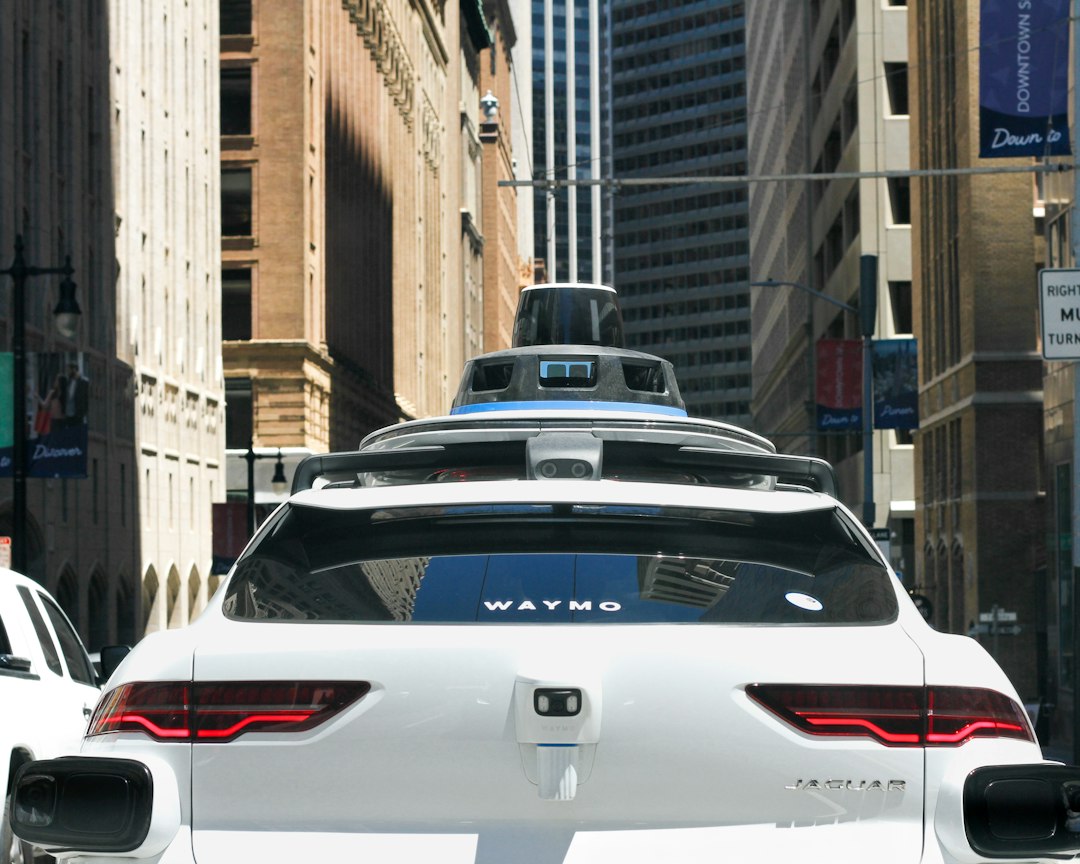
As regulatory frameworks evolve, automotive engineers must stay abreast of changes that impact their work. Understanding new regulations will be critical for ensuring compliance and maintaining public trust in autonomous vehicle technology. This ongoing dialogue between engineers and regulators will be essential for fostering a culture of safety within the industry. The need for a proactive approach to regulation is further emphasized by the increasing complexity of autonomous systems, which require a nuanced understanding of both technology and human factors.
In conclusion, the need for updated regulatory frameworks is paramount as self-driving technology continues to advance. Engineers who can navigate these changes will play a crucial role in shaping the future of automotive safety. The successful integration of self-driving technology will depend on the industry’s commitment to addressing safety challenges and developing robust regulatory frameworks. As we move forward, the question remains: how will the industry balance innovation with safety in an increasingly autonomous future?
Frequently Asked Questions
What safety measures should automotive engineers implement for self-driving cars?
Automotive engineers should focus on integrating advanced safety features, including fail-safe systems and comprehensive data analysis protocols. These measures will help ensure that autonomous vehicles can operate safely in a variety of conditions.
Safety analysts need strong data analysis skills to interpret the vast amounts of information generated by autonomous vehicles.
How are regulatory policies changing for autonomous vehicles?
Regulatory policies are evolving to address the unique challenges posed by self-driving technology. This includes the development of unified safety standards and greater collaboration between engineers and regulatory bodies.

What skills do safety analysts need to assess self-driving technology?
Safety analysts need strong data analysis skills to interpret the vast amounts of information generated by autonomous vehicles. Additionally, a solid understanding of regulatory requirements and safety protocols is essential for effective assessments.
Written by Career Ahead AI. AI can make mistakes, so verify key facts. Report errors to support@careeraheadonline.com.