London, England — Musicians facing the devastating effects of amyotrophic lateral sclerosis (ALS) are finding hope in artificial intelligence. Patrick Darling, a 32-year-old musician diagnosed with ALS, recently performed with his bandmates for the first time in two years, using an AI-generated version of his own voice. This breakthrough has significant implications for musicians and creatives who lose their ability to perform due to debilitating diseases.
Darling’s journey began when ALS stripped him of his ability to sing and play instruments, a passion he had nurtured since childhood. The disease, which affects motor neurons, left him unable to perform, but a chance encounter with AI technology from ElevenLabs changed everything. By using recordings of his past performances, Darling was able to recreate his voice, allowing him to compose and perform music again. This story highlights the intersection of technology and human resilience.
AI tools have evolved rapidly, providing solutions for those who have lost their voices to diseases like ALS. ElevenLabs, the company behind the voice-cloning technology, has developed tools that can mimic a person’s voice from as little as ten minutes of audio. This technology not only helps individuals communicate but also empowers them to create art, giving them a semblance of their former selves.
The Role of AI in Restoring Musical Talent
The impact of AI on the music industry is profound. For musicians like Darling, the technology offers a lifeline. It enables them to maintain their artistic identity despite physical limitations. According to reports, AI-generated music tools can help artists compose songs using text prompts, making the creative process more accessible.
“Seeing Patrick on stage again was a moment we all cherished.” The ability to perform again has revitalized Darling’s passion for music, proving that technology can bridge the gap between ability and disability.
Darling’s performance was emotional, not just for him but for his bandmates and the audience. “It was bittersweet,” said Nick Cocking, a bandmate. “Seeing Patrick on stage again was a moment we all cherished.” The ability to perform again has revitalized Darling’s passion for music, proving that technology can bridge the gap between ability and disability.
Moreover, the AI tools are designed to provide free licenses to individuals suffering from ALS and similar conditions, ensuring that those in need can access this transformative technology. This initiative marks a significant shift in how we approach healthcare and creative expression, emphasizing the importance of accessibility in the arts.
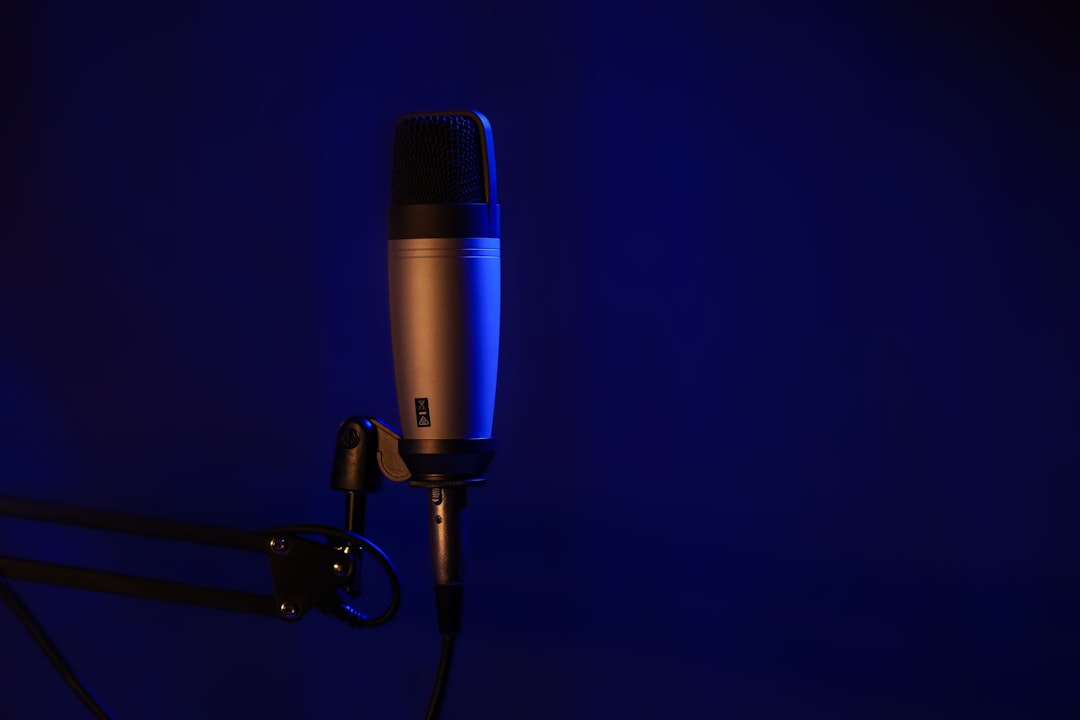
implications for Musicians and the Creative Community
 Entrepreneurship & Business
India’s Fast-Track GST Registration: Who Qualifies and What to Check
The simplified route targets businesses below a stated monthly output tax limit. A separate proposal outlines four tiers for GST registration.
Read More →The rise of AI in music creation raises questions about the future of artistry and authenticity. For musicians, using AI to recreate their voices can lead to new opportunities, but it also challenges traditional notions of what it means to be a musician. The ability to produce music without physical limitations may redefine the creative landscape.
As AI continues to advance, musicians may need to adapt their skills. Traditional music education may evolve to include AI literacy, allowing future artists to leverage these technologies effectively. This shift could lead to a new wave of creativity, where collaboration between humans and AI becomes the norm.

Furthermore, the financial implications of this technology are significant. Musicians who can perform again may see a resurgence in their careers, leading to increased income and opportunities. This could be particularly beneficial for those who have faced career setbacks due to health issues. The ability to perform live or produce music from home can offer a sustainable career path for many artists.
Traditional music education may evolve to include AI literacy, allowing future artists to leverage these technologies effectively.
- Embrace AI tools: Musicians should explore AI technologies that can enhance their creative processes. Tools like Eleven Music allow users to generate tracks quickly, providing new avenues for songwriting.
- Focus on AI literacy: Aspiring musicians should consider learning about AI applications in music. Understanding how to use these tools can provide a competitive edge in the industry.
- Network with tech innovators: Collaborating with technology companies can lead to exciting projects and opportunities. Musicians should seek partnerships with AI developers to explore new creative possibilities.
However, experts caution that while AI offers remarkable potential, it may not replace the human element of music entirely. As Gabi Leibowitz, a speech therapist involved in the AI program, notes, “We are enhancing creativity, but the emotional connection in music comes from human experience.” This perspective highlights the importance of balancing technology with authentic expression.
The Future of Music in the Age of AI
As AI continues to shape the music industry, the future looks promising for artists facing challenges similar to Darling’s. The technology not only facilitates creativity but also fosters a sense of community among musicians. With tools that allow for collaboration and innovation, the music scene may experience a renaissance.
 Entrepreneurship & Business
Use a Business Loan to Fix Cash Flow: Five Decisions
Cash flow is the top challenge for half of small firms. Here is how to choose a loan that fits.
Read More →In this evolving landscape, musicians must remain adaptable. The integration of AI into music production could lead to a new genre of music, where human creativity and artificial intelligence coexist harmoniously. This raises an intriguing question: How will the role of the musician change in an age where technology can replicate their voice and creativity?
Written by Career Ahead AI. AI can make mistakes, so verify key facts. Report errors to support@careeraheadonline.com.