No products in the cart.

Alstom to build new battery-electric train fleet
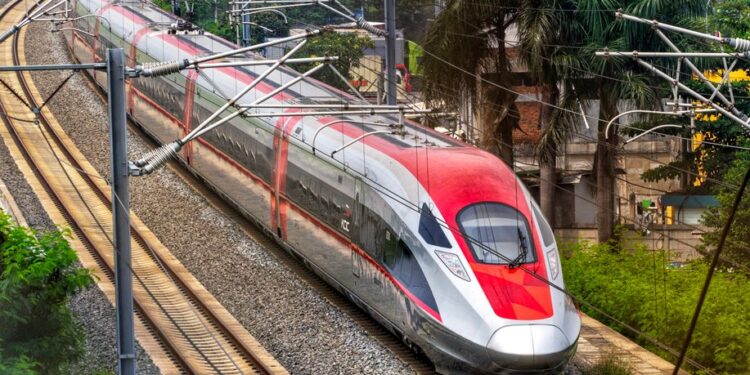
Alstom is set to manufacture a fleet of 29 battery-electric trains in Derby, supported by nearly £1 billion from the UK government, with operations commencing in 2028.

The UK is about to change rail travel. Alstom has announced plans to build a new fleet of battery-electric trains. This project, supported by nearly £1 billion from the government, aims to improve long-distance rail services. It is expected to create over 6,000 jobs in the supply chain by 2034.
The fleet will include 29 new Adessia Stream trains. These trains will be made at Alstom’s facility in Derby, starting in 2028. They are designed to be more efficient, reduce emissions, and offer a better travel experience for passengers in northern England, connecting cities like Manchester and Leeds.
Advancements in Battery-Electric Train Technology
Alstom’s battery-electric trains mark a big step forward in rail technology. The Adessia Stream trains can operate on non-electrified lines, which helps expand rail access in areas where traditional electrification is not possible. This innovation supports the UK government’s goals of cutting carbon emissions and promoting sustainable transport.
Career Ahead’s analysis shows that battery-electric trains will need a skilled workforce familiar with new technologies. Rail engineers will focus on integrating advanced battery systems, ensuring safety, and optimizing train performance. This shift also means reevaluating existing infrastructure to support these systems. The BBC notes that the government’s investment will create over 350 direct jobs at Alstom and many more in the supply chain, highlighting the economic benefits of this project.
These trains will greatly improve the passenger experience. Features will include better accessibility, onboard Wi-Fi, and more luggage space. The UK Department for Transport has stated that these upgrades will lead to quieter and smoother journeys. This addresses long-standing reliability issues in the current rail network. With battery-electric trains, the UK aims to modernize its rail services and set a global standard for sustainable transport.
As the demand for sustainable transport grows, rail engineering professionals must adapt to new technologies. Successfully deploying battery-electric trains will depend on teamwork among engineers, project managers, and technology specialists. They must navigate the complexities of this new operational landscape. Integrating battery technology into existing rail systems will also require ongoing training for current and future workers.
Successfully deploying battery-electric trains will depend on teamwork among engineers, project managers, and technology specialists.
Project Management for Long-Distance Rail Services
You may also like
 Industry & Global Trends
UK Car Industry Balances Chinese and EU Market Demands
The UK has opted not to impose tariffs on Chinese vehicles, unlike the US and EU, which have set substantial duties on imports.
Read More →Implementing Alstom’s battery-electric train fleet will need careful project management. The timeline from the announcement to deployment includes several phases: design, manufacturing, and testing. Transportation project managers will be essential in keeping projects on schedule and within budget.
With operations starting in 2028 and trains entering service by 2034, project managers must coordinate with various stakeholders. These include government bodies, local communities, and supply chain partners. Effective communication and planning will be crucial to overcome challenges like manufacturing delays or regulatory changes. Yahoo News highlights that this project is part of a broader effort to improve rail capacity and reliability, requiring strategic oversight from project managers.
Project managers will also need to include sustainability metrics in their planning. They must assess the project’s environmental impact, ensure compliance with government standards, and implement best practices in resource management. Career Ahead research shows that project managers specializing in sustainability will be in high demand as the industry shifts to greener technologies. Successfully integrating new trains into the existing rail network will involve careful logistical planning to minimize disruptions.
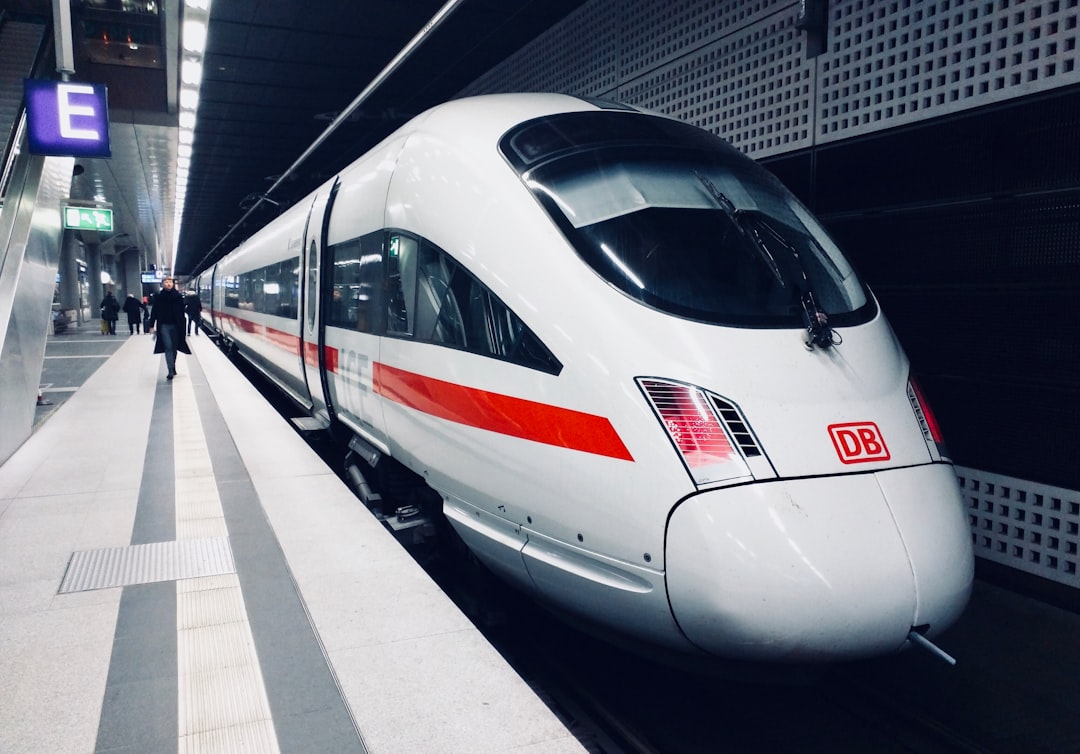
As the UK government aims to increase rail capacity by 30% through initiatives like the Transpennine Route Upgrade, project managers will oversee integrating new trains into existing networks. This requires not just logistical planning but also fostering a culture of innovation among teams. Collaboration among stakeholders will be vital to ensure the project meets its goals while addressing community needs.
Educational institutions must adapt their curricula to prepare future engineers and project managers for new technology challenges.
The introduction of Alstom’s battery-electric trains is a major milestone for sustainable transport in the UK. This initiative fits into the global trend of decarbonization and adopting cleaner technologies in public transport. The UK government is committed to reducing greenhouse gas emissions, and deploying battery-electric trains is a step toward that goal.
Career Ahead’s analysis emphasizes that the success of these initiatives relies on collaboration across sectors, including government, industry, and academia. Educational institutions must adapt their curricula to prepare future engineers and project managers for new technology challenges. This includes training in battery technology, systems integration, and sustainable design practices.
You may also like
 Industry & Global Trends
India’s Manufacturing Strategy Shifts
India's manufacturing strategy is evolving, focusing on localized supply chains, technological advancements, and sustainability. This shift from the traditional China model presents new challenges and…
Read More →The expected job creation from this project highlights the economic benefits of investing in sustainable transport. With over 350 jobs directly linked to Alstom and thousands more in the supply chain, this initiative promises to boost local economies and create new career opportunities in rail engineering and project management.
As the project moves forward, the focus will shift to evaluating the long-term impact of battery-electric trains on the UK’s transport landscape. This includes monitoring performance metrics, passenger satisfaction, and environmental outcomes. Adapting to these findings will be crucial for all stakeholders involved.
Looking ahead, the successful launch of Alstom’s battery-electric trains may inspire similar projects in other regions. This could influence global standards in sustainable rail technology. The growing emphasis on green solutions in transport will challenge professionals to innovate and lead in this evolving industry.
Frequently Asked Questions What skills are needed for rail engineers working on battery-electric trains?
Frequently Asked Questions
What skills are needed for rail engineers working on battery-electric trains?
Rail engineers will need skills in battery technology, systems integration, and safety protocols. Familiarity with sustainable practices and project management will also be important as these technologies evolve.
How will the new battery-electric trains impact project timelines for transportation managers?
Transportation project managers will manage complex timelines, coordinating design, manufacturing, and testing phases. Effective communication with stakeholders will be essential to address delays and ensure project success.

What should battery technology specialists know about the upcoming Adessia Stream trains?
Battery technology specialists must understand the Adessia Stream trains’ specific requirements, including battery capacity and charging infrastructure. Staying updated on battery technology advancements will be vital for their role.
You may also like
 Industry & Global Trends
Avenue Supermarts Reports Significant Revenue Increase
This remarkable performance is particularly relevant as it comes amid a challenging economic landscape, where many sectors are experiencing fluctuations.
Read More →