No products in the cart.

Ultraviolette to establish BIGGA factory

The new factory marks a pivotal moment for Ultraviolette, as it seeks to expand its footprint in the electric vehicle market both domestically and internationally. Narayan Subramaniam, the co-founder and CEO of Ultraviolette, emphasized the importance of this development in the company's journey, highlighting that the new facility…

Hosur, India — Ultraviolette has announced the establishment of its BIGGA (Big Global Ambition) factory in Hosur, Tamil Nadu, which is set to create approximately 2,000 job opportunities in its initial phase. This facility aims to significantly boost the production of electric vehicles, particularly the Tesseract scooter, and is expected to ramp up to an annual manufacturing capacity of 250,000 vehicles, with plans to scale to 500,000 vehicles as demand grows. As the electric vehicle market expands, this ambitious production target reflects Ultraviolette’s commitment to meeting consumer needs and enhancing its competitive edge in the industry.
The new factory marks a pivotal moment for Ultraviolette, as it seeks to expand its footprint in the electric vehicle market both domestically and internationally. Narayan Subramaniam, the co-founder and CEO of Ultraviolette, emphasized the importance of this development in the company’s journey, highlighting that the new facility will enhance their manufacturing capabilities and support a more extensive product portfolio across various segments, including sports and cruisers. This expansion is not just about increasing production numbers; it is also about fostering innovation in electric vehicle technology, which is crucial for staying relevant in a rapidly evolving market.
Job Opportunities for Manufacturing Engineers
The establishment of the BIGGA factory is set to create a surge in demand for manufacturing engineers specializing in electric vehicles. As Ultraviolette ramps up production, the need for skilled professionals who can design, implement, and optimize manufacturing processes will be critical. Career Ahead research identifies that the electric vehicle sector in India is rapidly evolving, with a growing emphasis on local production capabilities to meet increasing demand. This local focus is particularly important as it aligns with government initiatives aimed at boosting domestic manufacturing and reducing reliance on imports.
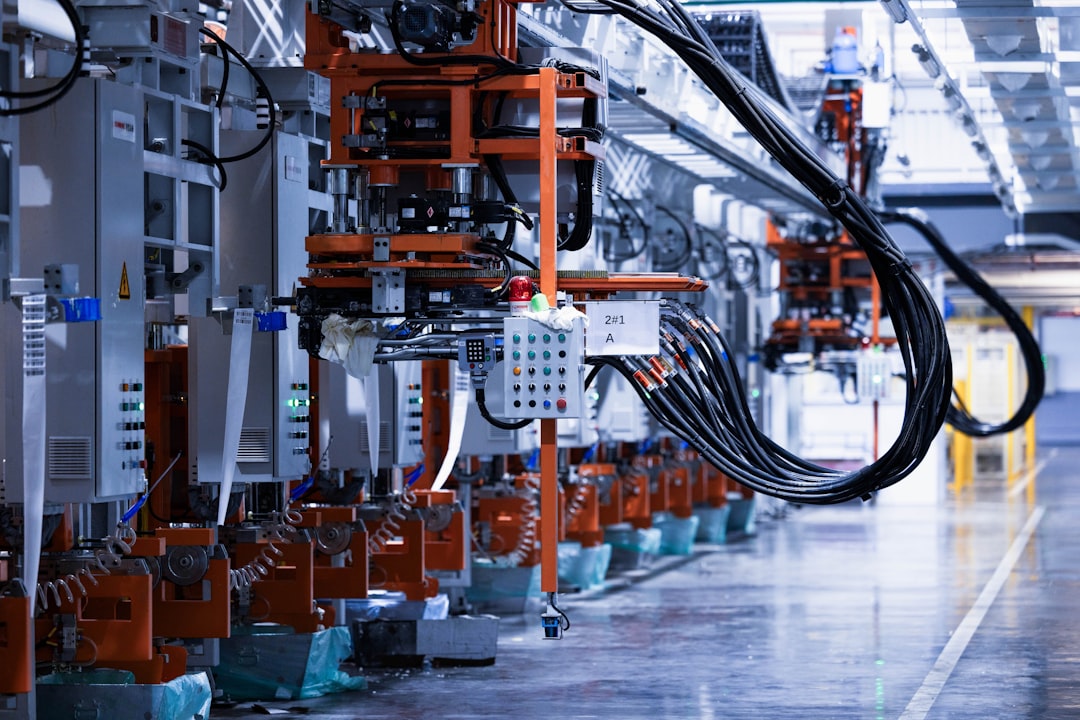
Manufacturing engineers will play a vital role in ensuring that the new facility operates efficiently and meets the high standards required for electric vehicle production. This includes responsibilities such as developing production lines, overseeing quality control, and implementing advanced manufacturing technologies. The factory’s focus on innovation will require engineers who are adept at utilizing cutting-edge tools and techniques to enhance productivity and reduce costs. Furthermore, the integration of automation and smart manufacturing practices will be essential in optimizing operations and ensuring the factory can scale effectively as demand increases.
Moreover, the BIGGA factory’s location in Hosur, a hub for automotive manufacturing, offers engineers unique opportunities to collaborate with local suppliers and technology firms. This collaboration can foster innovation and efficiency, allowing manufacturing engineers to work closely with various stakeholders in the supply chain, ultimately enhancing the production process. The strategic location also provides access to a skilled workforce and established infrastructure, which are critical for the successful operation of the facility.
The strategic location also provides access to a skilled workforce and established infrastructure, which are critical for the successful operation of the facility.
You may also like
 Industry & Global Trends
$600 Billion Food Market Expands, Processing Gains Focus
India’s food market, now estimated to be worth $600 billion, is experiencing a robust growth rate of 7% compounded annually, driven by economic expansion and…
Read More →As the factory begins operations, manufacturing engineers will need to adapt to the specific demands of electric vehicle production. This includes understanding the intricacies of battery technology, electric drivetrains, and sustainable manufacturing practices. The skills required will evolve, and engineers will need to stay updated with the latest advancements in the field to remain competitive. The emphasis on sustainability in manufacturing processes will also necessitate engineers to innovate in areas such as waste reduction and energy efficiency, aligning with global trends towards greener production methods.
Supply Chain Management Challenges and Opportunities
With the establishment of the BIGGA factory, supply chain managers in the automotive sector will face new challenges and opportunities. The factory’s ambitious production goals necessitate a robust supply chain strategy that can support the increased output of electric vehicles. Supply chain managers will need to develop logistics and sourcing strategies that align with the factory’s growth trajectory. This includes not only securing reliable suppliers but also ensuring that they can meet the quality and delivery standards expected in the electric vehicle market.
As the demand for electric vehicles rises, supply chain managers must ensure that they can source materials and components efficiently. This may involve establishing relationships with new suppliers, particularly those specializing in electric vehicle components such as batteries and electric drivetrains. Career Ahead analysis finds that the shift towards localized production in the electric vehicle sector will require supply chain managers to be agile and responsive to market changes. The ability to quickly adapt to fluctuations in demand and supply chain disruptions will be crucial for maintaining production schedules.
Additionally, the transition to electric vehicle production will necessitate a reevaluation of existing supply chain practices. Supply chain managers will need to embrace digital technologies, such as data analytics and IoT, to enhance visibility and control over their supply chains. This will be essential for managing inventory levels, optimizing transportation routes, and ensuring timely delivery of components to the BIGGA factory. The integration of technology into supply chain operations will not only improve efficiency but also provide valuable insights for decision-making.
The successful navigation of these challenges will determine the overall effectiveness of Ultraviolette’s operations and its ability to meet the growing consumer demand for electric vehicles.
Furthermore, collaboration with local suppliers and tech firms can lead to innovative solutions that streamline the production process. By working together, supply chain managers can identify opportunities for cost savings and efficiency improvements, ultimately benefiting the overall production of electric vehicles. As highlighted by reports from sources like EVINDIA and Autopunditz, the establishment of the BIGGA factory is expected to catalyze growth in the local supply chain ecosystem, creating a ripple effect that can enhance the competitiveness of the entire industry.
You may also like
 Industry & Global Trends
First Enhanced Geothermal Power Plant Launches Fast
Fervo Energy's Cape Station power plant has begun selling electricity to the grid, designed to generate 100 megawatts of power with potential expansion to 4…
Read More →As the factory becomes operational, supply chain managers will need to continuously assess and adapt their strategies to meet the evolving demands of the electric vehicle market. This dynamic environment presents both challenges and opportunities for professionals in the field. The successful navigation of these challenges will determine the overall effectiveness of Ultraviolette’s operations and its ability to meet the growing consumer demand for electric vehicles.
The establishment of Ultraviolette’s BIGGA factory represents a significant milestone for the electric vehicle sector in India. It not only promises job creation for manufacturing engineers and supply chain managers but also highlights the growing importance of localized production in meeting the demands of a rapidly evolving market. For professionals in these fields, the next few years will be crucial as they navigate the opportunities and challenges presented by this new development.
Frequently Asked Questions
What skills are needed for manufacturing engineers in electric vehicle production?
Manufacturing engineers in electric vehicle production should have a strong understanding of battery technology, electric drivetrains, and sustainable manufacturing practices. Additionally, skills in process optimization and quality control are essential to ensure efficient production.
Additionally, skills in process optimization and quality control are essential to ensure efficient production.
How will the BIGGA factory impact supply chain management in the automotive sector?
The BIGGA factory will require supply chain managers to develop new logistics and sourcing strategies to support increased production. This includes establishing relationships with local suppliers and embracing digital technologies for better supply chain visibility.

What should manufacturing engineers do to prepare for opportunities at the new factory?
Manufacturing engineers should focus on upskilling in areas related to electric vehicle technology and manufacturing processes. Staying updated with industry trends and advancements will be crucial for success in this evolving field.
You may also like
 Industry & Global Trends
Stripe Expands Hiring Amid AI Job Losses
Stripe's expansion in Dublin, with plans to hire 496 roles, highlights a growing demand for software engineers and data analysts amid rising AI job losses.…
Read More →