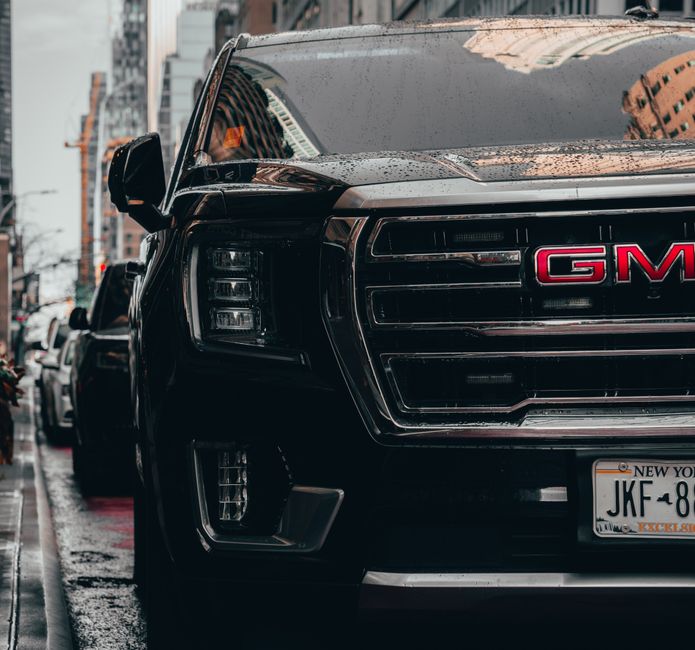
American car manufacturers are increasingly challenged by the rise of Chinese electric vehicle (EV) makers, prompting a reevaluation of their strategies to maintain market relevance.
American car manufacturers are facing mounting challenges from Chinese electric vehicle (EV) makers, as they struggle to maintain their relevance in a rapidly evolving automotive landscape. The competition has intensified in recent years, with companies like Ford and General Motors (GM) compelled to rethink their strategies to effectively compete. This shift is crucial as the automotive industry undergoes significant changes driven by technological advancements and shifting consumer preferences.
The rise of Chinese EV manufacturers has been nothing short of remarkable. Companies such as BYD and NIO have captured substantial market share, not only in China but also in Europe and other regions. This trend poses a direct challenge to American automakers, who have historically dominated the global automotive industry. In 2025, the market share of American manufacturers in the global automotive sector fell to approximately 40%, down from over 90% in 1965, underscoring the urgency for adaptation. This decline highlights a critical juncture for American manufacturers, who must innovate or risk losing their foothold in a rapidly evolving market.
Technological Advancements and Their Impact
The technological advancements made by Chinese EV companies have set a new standard in the industry. These companies have been quick to innovate, focusing on battery technology, autonomous driving features, and cost-effective manufacturing processes. For instance, BYD has developed a battery that significantly reduces costs while enhancing performance, making their vehicles more appealing to consumers. Furthermore, the competitive pricing strategies employed by these manufacturers have forced American companies to reconsider their pricing models, which have traditionally been higher due to the costs associated with U.S. labor and materials.
American manufacturers are now compelled to accelerate their own technological advancements. To remain competitive, American carmakers must invest heavily in research and development for EV technology. This includes developing new battery chemistries, improving energy efficiency, and enhancing software capabilities for autonomous driving. Companies like Ford and GM are already ramping up their investments in these areas, recognizing the need to catch up quickly. For example, Ford’s commitment to invest $50 billion in EV production by 2026 reflects a strategic pivot towards electrification, aiming to develop a robust lineup of electric models that can compete with their Chinese counterparts.
Shifting Consumer Preferences
The shift towards EVs is not just about technology; it also reflects changing consumer demand. Recent surveys indicate a growing preference for EVs, with many buyers prioritizing sustainability and lower operating costs. This trend is forcing American manufacturers to pivot their strategies, focusing more on electric models and less on traditional gas-guzzlers. The Biden administration’s tariffs on Chinese EVs, while designed to protect domestic manufacturers, could also limit access to critical components and technologies that American firms need to compete effectively. This regulatory environment adds another layer of complexity to the challenges faced by U.S. automakers, as they must navigate both market pressures and government policies.
With rising prices, American homeowners are increasingly tapping into home equity and leveraging AI tools for financial decisions. This trend highlights the intersection of technology…
The Biden administration’s tariffs on Chinese EVs, while designed to protect domestic manufacturers, could also limit access to critical components and technologies that American firms need to compete effectively.
Strategies for Competing in the EV Market
In response to the competitive pressures from Chinese EVs, American automakers are exploring various strategies to enhance their market position. One approach involves forming strategic partnerships with technology companies to leverage their expertise in software and battery technology. Collaborations with firms specializing in AI and machine learning can provide automakers with the tools needed to innovate rapidly. For instance, partnerships with established tech giants could facilitate advancements in autonomous driving capabilities, an area where Chinese manufacturers are making significant strides.
Additionally, American manufacturers are likely to focus on enhancing the customer experience. This includes investing in robust service networks and offering comprehensive warranties to build consumer trust in their EV products. Stellantis, for example, has announced plans to expand its service offerings and improve customer engagement, recognizing that a positive ownership experience is crucial for attracting buyers. This focus on customer satisfaction is essential, especially as consumers become more discerning about their vehicle choices in an increasingly crowded market.
Expanding Global Presence
Furthermore, American carmakers are likely to increase their presence in international markets, particularly in regions where EV adoption is gaining momentum. By expanding their footprint in markets like Europe and Asia, they can tap into new customer bases and diversify their revenue streams. The recent establishment of manufacturing facilities in Mexico and Canada by companies like GM and Ford is a testament to this strategy. Such moves not only reduce production costs but also position these manufacturers closer to key markets, allowing for more agile responses to consumer demand.
While American manufacturers face significant challenges, the potential for growth in the EV sector remains substantial. By aligning their strategies with market demands and technological advancements, they can position themselves more favorably against their Chinese counterparts. The automotive industry is at a pivotal juncture, and the decisions made by American manufacturers in the coming years will be critical. As they navigate this competitive landscape, the focus will need to be on innovation, consumer engagement, and strategic partnerships to ensure long-term success.
As the competition heats up, it remains to be seen how effectively American carmakers can adapt to the rapidly evolving market. The next few years will be crucial in determining whether they can reclaim their dominance in the global automotive sector or if they will continue to cede ground to their Chinese rivals.
As they navigate this competitive landscape, the focus will need to be on innovation, consumer engagement, and strategic partnerships to ensure long-term success.
Frequently Asked Questions
What are the latest innovations in electric vehicle technology?
Recent innovations in electric vehicle technology include advancements in battery chemistry, increased range, and enhanced autonomous driving features. Companies like BYD and NIO are leading the way in developing cost-effective and efficient EV technologies.
How can American manufacturers improve their EV offerings?
American manufacturers can improve their EV offerings by investing in research and development, forming partnerships with tech companies, and enhancing customer experience through better service and warranties.
What strategies should automotive engineers consider in response to Chinese competition?
Automotive engineers should focus on innovation in battery technology and software development, as well as explore partnerships with tech firms to leverage new technologies.



Industry & Global Trends

 Industry & Global Trends