The announcement marks a pivotal moment in the government's approach to economic challenges, particularly in light of increasing energy costs that have burdened consumers.
Andy Burnham, the new Prime Minister, announced an £850 million tax cut on electricity bills during his first cabinet meeting on July 21, 2026. This initiative aims to help households and small businesses manage the rising cost of living.
This announcement is a key moment in the government’s response to economic challenges. Rising energy costs have put pressure on consumers. Burnham stressed the importance of a government that focuses on cost-of-living issues. He stated that the administration will explore all options to help families facing financial difficulties. According to The Guardian, Burnham’s commitment is part of a broader strategy to tackle economic pressures that have grown in recent years.
How the Tax Cut Will Reduce Monthly Expenses
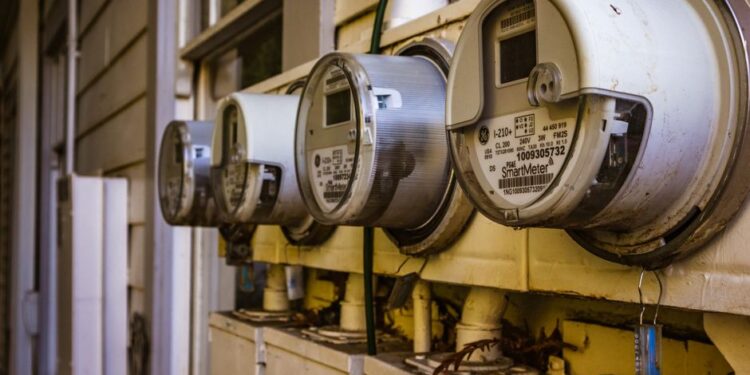
The £850 million tax cut mainly targets the VAT on electricity bills. This will directly lower monthly costs for consumers. Career Ahead’s analysis shows that this cut could save households about £100 a year, depending on their energy use and rates. This is significant, as many families have seen energy bills rise sharply, making them one of their largest expenses.
For small businesses, especially in retail, the tax cut could greatly reduce operating costs. Many retail owners report that electricity bills are a large part of their expenses. With lower energy costs, these businesses may find relief in their budgets. This could allow them to invest in staffing or inventory. According to DW, this move is expected to boost the competitiveness of small businesses struggling with rising costs.
The timing of this tax cut is also important. With inflation affecting consumer spending, lower electricity costs could encourage households to spend more on goods and services. This change in behavior can stimulate economic growth, benefiting local businesses and the economy. The government’s decision to implement this tax cut shows a growing awareness of the financial challenges faced by everyday consumers and small business owners. As energy prices fluctuate, such measures may be crucial for economic stability.
This change in behavior can stimulate economic growth, benefiting local businesses and the economy.
The Reserve Bank of India's decision to hold interest rates at 5.25% reflects ongoing inflation concerns linked to energy prices. This stability presents both challenges…
Impacts on Small Business Profitability and Consumer Behavior
The tax cut is likely to boost small business profitability. Many retailers, especially those with thin margins, have struggled with rising costs. Lower electricity expenses can provide a much-needed cushion, allowing these businesses to reinvest in their operations. Career Ahead research suggests that small retailers could see profit margins increase by 5-10% after the tax cut. This increase could help businesses that rely on foot traffic and consumer spending, enabling them to offer competitive prices without hurting their profits.
As households enjoy lower electricity bills, consumer confidence may rise. Households may feel more secure financially, leading to increased discretionary spending. This shift can create a ripple effect in the economy, as small businesses see higher sales and may hire more staff to meet demand. As reported by Reuters, the government expects this tax cut to ease immediate financial pressures and foster a more vibrant retail environment, which is crucial for economic recovery.
However, the long-term effects of this tax cut depend on various factors. These include the stability of energy prices and the government’s ability to manage budget implications from reduced tax revenue. Retailers and consumers will need to keep a close eye on these developments. The government’s fiscal strategy will face scrutiny as the impacts of this tax cut unfold, especially regarding funding for public services and essential programs.
The electricity tax cut is more than just a financial measure; it shows the government’s commitment to tackling the cost of living crisis. For households, this means relief from significant monthly expenses. As energy costs remain unpredictable, consumers can benefit from a more stable budgeting process. This predictability is vital as families navigate their financial futures amid ongoing economic uncertainty.
For small business owners, the tax cut offers a chance to stabilize operations and even expand. Businesses that manage expenses effectively are better positioned to succeed, even in tough economic times. Increased consumer spending could also lead to a more vibrant retail environment, which is essential for local economies. As the government continues to address economic recovery, measures like the electricity tax cut will be critical in supporting households and businesses. Observers will be eager to see how this policy unfolds in the coming months and if it leads to lasting economic improvement.
The adjustment in the EPFO wage ceiling is crucial as it directly impacts the contributions made towards the Employees' Provident Fund (EPF) and Employees' Pension…
Retailers and consumers will need to keep a close eye on these developments.
Looking ahead, the success of this tax cut may lead to further policy decisions aimed at easing financial pressures on consumers and businesses. The government’s approach to energy taxation may change, reflecting ongoing challenges in the energy market.
Frequently Asked Questions
How can I budget for lower electricity costs?
With the new tax cut, households can expect lower electricity bills, making financial planning easier. It’s wise to review monthly expenses and adjust budgets to reflect these changes.
What should small business owners do to adapt to changes in electricity pricing?
Small business owners should track their energy use and adjust pricing strategies to benefit from lower electricity costs. This might include changing operational hours or investing in energy-efficient technologies.
How will the tax cut on electricity impact my overall cost of living?
The reduction in electricity costs will lower monthly expenses for households, contributing to an overall decrease in the cost of living. This change can increase disposable income, allowing for more spending in other areas.