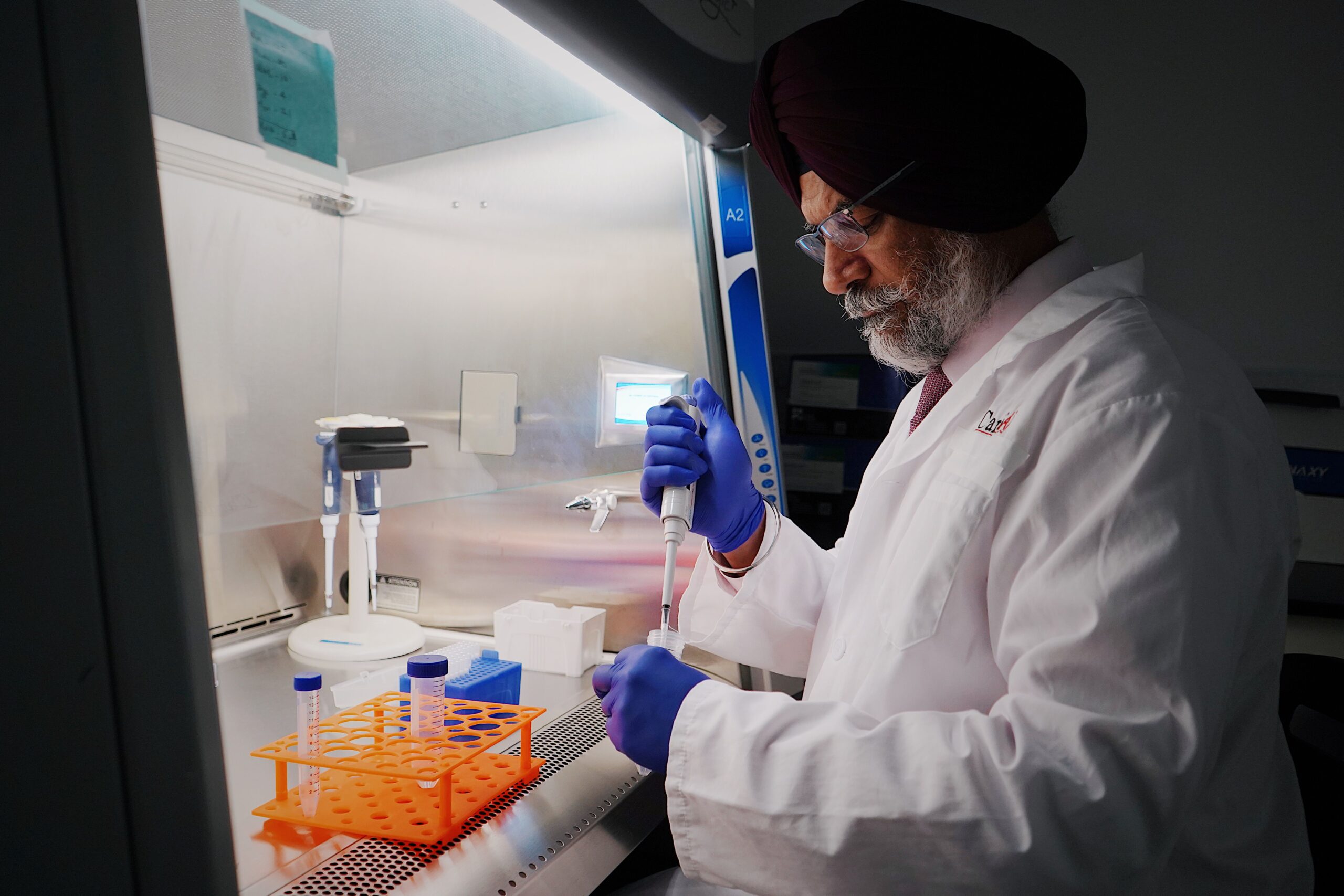
Former President Donald Trump met with Dario Amodei, CEO of Anthropic, on September 27, 2026. They discussed important issues about AI safety. This meeting highlights the growing connection between AI development and regulatory discussions as fears about AI risks rise.
The conversation between Amodei and Trump is significant due to the increased scrutiny of AI technologies. As AI systems become more common, the need for strong safety protocols is critical. This meeting could shape how policymakers approach AI regulations and funding in the future.
Regulatory Discussions and Their Impact on AI Safety Protocols
The meeting shows a growing recognition of the need for comprehensive AI safety regulations. Recent talks in the tech community stress that AI development must prioritize safety, similar to the automotive industry. Amodei has stated that the AI sector should adopt a mindset like car safety protocols, where risks are addressed before widespread use. This view aligns with insights from Constellation Research, which highlights the urgent need for safety frameworks that keep pace with rapid technological changes.
Career Ahead’s analysis suggests this meeting may signal a shift in regulatory focus. As political leaders engage with tech executives, there is a chance for collaboration. This could lead to standardized safety protocols across the industry. Such measures could enhance the credibility of AI technologies and address public concerns. Furthermore, political involvement may spark a more structured dialogue about the ethical issues surrounding AI, as noted by CBS News, which reported on Amodei’s call for transparency and accountability in AI development.
Moreover, political support could help implement new safety measures. If regulations require AI developers to follow strict safety protocols, companies may need to allocate resources for compliance. This could change their operational strategies. A regulatory framework that prioritizes safety could also lead to industry-wide best practices, ensuring safety is a core aspect of AI innovation.
A regulatory framework that prioritizes safety could also lead to industry-wide best practices, ensuring safety is a core aspect of AI innovation.
Amodei’s role in the AI sector gives him a unique position to influence these discussions. His insights into AI safety could shape regulations, especially if he effectively communicates the need for proactive measures to political figures like Trump. This dialogue may lead to a more unified approach to AI safety, essential for building trust among users and stakeholders. As discussions about AI safety evolve, industry leaders must advocate for regulations that protect users and encourage innovation.
 Government & Policy
UK Weighs Mandatory AI Safety Reporting as Microsoft’s Brad Smith Calls for Global Rules
The UK government is examining how serious AI incidents and near misses should be reported, and Microsoft’s Brad Smith has called for global AI safety…
Read More →Potential Shifts in Funding for AI Safety Initiatives
The link between AI safety and politics could lead to significant changes in funding for safety initiatives. Historically, government support has been crucial for advancing technology sectors, including AI. If discussions between Amodei and Trump renew focus on safety, funding for AI safety research could increase. This influx of resources could help researchers develop better safety technologies, like advanced monitoring systems and risk assessment tools.
Career Ahead research shows that increased funding could support new safety technologies, improving monitoring systems and risk assessment tools. These advancements would enhance AI system safety and boost public confidence in their use. Political figures’ involvement may also attract private investments, as investors often seek to align with government initiatives, especially with a clear regulatory framework. If safety regulations are established, venture capitalists may be more willing to fund startups focused on AI safety solutions, creating a vibrant ecosystem for innovation.
However, increased funding raises questions about resource allocation. AI researchers must advocate for transparency and accountability in how funds are distributed. Ensuring that funding goes to projects that genuinely improve safety is crucial for maintaining the integrity of the AI sector. As funding priorities shift, researchers may need to adapt their proposals to align with the new focus on safety, leading to a more competitive landscape for grants and investments.

Engaging with leaders like Trump may give AI researchers a platform to advocate for necessary regulatory changes, influencing the industry’s future.
The implications of these funding shifts could be significant. As more resources flow into AI safety initiatives, researchers may find new opportunities for collaboration and innovation. This could lead to advancements that benefit society as a whole. A more robust funding landscape could also encourage interdisciplinary partnerships, bringing together experts from various fields to tackle the complex challenges of AI safety.
 Government & Policy
Ofcom investigates Meta over Instagram Instants safety checks
Ofcom's investigation into Meta's Instagram Instants feature raises concerns about compliance with safety regulations and the protection of minors.
Read More →As AI continues to evolve, political figures’ roles in shaping research priorities are vital. Engaging with leaders like Trump may give AI researchers a platform to advocate for necessary regulatory changes, influencing the industry’s future. The outcome of the Amodei-Trump meeting could set a precedent for how AI safety is approached at the governmental level, leading to a more structured strategy for addressing AI technology challenges.
The implications of these discussions are vast. As AI researchers and policy advocates navigate this evolving landscape, proactive engagement with policymakers will be crucial. The future of AI safety regulations may depend on the outcomes of these high-profile meetings and the willingness of industry leaders to collaborate with political figures.
Frequently Asked Questions
What are the key outcomes expected from the Amodei-Trump meeting for AI researchers?
The Amodei-Trump meeting is expected to lead to discussions on establishing safety regulations for AI technologies. This could result in new funding initiatives directed toward AI safety research, enhancing safety protocols across the industry.
This could influence funding allocation and research efforts, making safety a central focus in AI development.
How might AI policy change following discussions with political leaders?
After discussions with political leaders like Trump, AI policy may shift to prioritize safety regulations. This could influence funding allocation and research efforts, making safety a central focus in AI development.
What should AI researchers consider regarding safety regulations in light of recent political meetings?
AI researchers should stay informed about potential regulatory changes from political discussions. Understanding the implications of these changes is essential for adapting research methodologies and aligning with new safety standards.
Written by Career Ahead AI. AI can make mistakes, so verify key facts. Report errors to support@careeraheadonline.com.