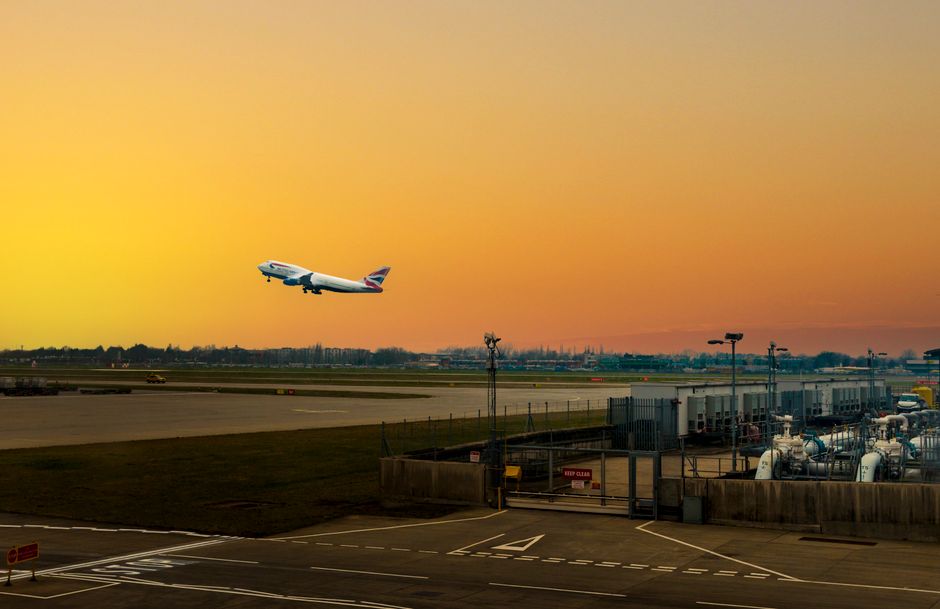
London, UK — Prime Minister Andy Burnham recently refused to support the controversial third runway at Heathrow Airport. He indicated that its expansion could be delayed by up to four years. Burnham, who opposed the project as Mayor of Greater Manchester, stressed the need to consider local opinions. His remarks come as Heathrow now expects the new runway to open in 2039, much later than the planned 2035 date.
This situation has sparked a heated debate about the future of aviation policy in the UK. It raises questions about balancing regional development with national infrastructure projects. Burnham’s position reflects growing concerns among local leaders about how such expansions affect their communities and economies. The third runway, which is expected to cost £33 billion, aims to create 100,000 jobs and boost flight capacity from 480,000 to 720,000 annually. However, it faces strong opposition from environmental groups and local residents.
Impact on Airport Expansion Timelines
The delay in the third runway’s construction timeline is crucial for aviation policy analysts. The original target of 2035 has now shifted to a possible 2039 opening. Heathrow officials acknowledge the complexities involved in the planning process. This delay could impact airport expansion not only in London but also across the UK. Other airports may find their projects stalled due to changing priorities and funding reallocations.
Career Ahead’s analysis suggests that postponing Heathrow’s expansion could prompt a reevaluation of airport capacity planning nationwide. Regional airports already face pressure to handle rising passenger numbers. The uncertainty surrounding Heathrow’s expansion may lead to a more fragmented approach to aviation policy. This could hinder the UK’s ability to meet future travel demands and economic growth targets.
Moreover, the implications for job creation are significant. Unions like Unite and GMB have supported the runway, linking it to good, unionized jobs. The longer the runway’s construction is delayed, the longer these jobs remain uncreated. This impacts not only the aviation sector but also related industries that depend on airport operations.
Furthermore, opposition to the runway, led by Burnham and other local leaders, highlights a trend of prioritizing environmental concerns over economic growth. As public sentiment shifts toward sustainability, aviation policy must adapt to reflect these values. This may lead to stricter regulations on airport expansions and a greater focus on green technologies in aviation.
Furthermore, opposition to the runway, led by Burnham and other local leaders, highlights a trend of prioritizing environmental concerns over economic growth.
Potential Shifts in Aviation Policy
Burnham’s refusal to support the third runway signals a potential shift in UK aviation policy. This shift may favor more localized decision-making. Traditionally, airport expansions focused on national interests, emphasizing economic growth and global competitiveness. However, the current climate shows a growing recognition of the importance of local voices in these discussions.
 Government & Policy
Supreme Court Reviews Aviation Accessibility Gaps | Career Outlook
The petition, filed by Turab Chimthanawala, who has a visual impairment, argues that the aviation industry has not implemented adequate measures to ensure accessibility at…
Read More →This change could lead to better consultations with communities affected by airport expansions. Local opposition has already prompted policymakers to reconsider the implications of such projects. This could set a precedent for future infrastructure planning, encouraging collaboration between national and local governments.
Moreover, the evolving narrative around environmental sustainability will likely influence future aviation policies. With rising awareness of climate change, there is an expectation that infrastructure projects must align with sustainability goals. This could lead to reallocating resources toward developing greener technologies and practices in aviation.

Career Ahead research indicates that this policy shift may affect not just Heathrow but also other major airports in the UK. As regional leaders resist large-scale expansions, the government may need to rethink its aviation policy. This could prioritize community engagement and environmental considerations alongside economic benefits.
Additionally, these policy shifts may impact long-term transportation planning. They could affect how cities and regions develop infrastructure to support economic growth while addressing environmental concerns.
As the debate continues, analysts will closely monitor how these developments unfold and what they mean for the future of aviation in the UK.
As the debate continues, analysts will closely monitor how these developments unfold and what they mean for the future of aviation in the UK.
Effects on Regional Transport Planning
The discussion about the third runway at Heathrow has broader implications for regional transport planning across the UK. Burnham’s comments reflect a growing awareness of the need to balance national infrastructure projects with regional development priorities. This could lead to a more integrated approach to transport planning, where local needs are considered alongside national interests.
 Government & Policy
Supreme Court Reviews Aviation Accessibility Gaps
The Supreme Court of India is set to examine a critical plea regarding systemic accessibility failures affecting disabled travelers in the aviation sector.
Read More →For instance, the delay in Heathrow’s expansion may prompt regional authorities to speed up their own transport projects. This ensures connectivity and accessibility for their communities. Increased investment in local transport infrastructure, such as rail and bus services, is essential for supporting economic growth in regions outside London.
Moreover, the opposition to the runway highlights the need for a better understanding of the economic impacts of airport expansions on surrounding areas. Local economies may suffer if infrastructure projects prioritize national interests over regional needs. Career Ahead’s analysis suggests this could lead to a fairer distribution of resources, as policymakers consider the implications of their decisions on local communities.
Furthermore, the increased focus on sustainability may drive innovation in regional transport planning. As communities demand greener solutions, local authorities may explore alternative transport modes and invest in cleaner technologies. This could transform how regions approach their transport infrastructure, benefiting both the environment and local economies.
The ongoing debate about the third runway at Heathrow serves as a critical case study for understanding the future of aviation and transport planning in the UK. As stakeholders navigate these complex issues, the outcomes will have lasting implications for local communities and national policy.
It may focus more on local needs and sustainability rather than solely on national growth.
Looking ahead, the question remains: how will the evolving landscape of aviation policy affect regional development and transport planning in the UK?
Frequently Asked Questions
What are the implications of Heathrow’s runway delay for aviation policy analysts?
The delay in Heathrow’s expansion could force aviation policy analysts to reassess capacity planning across the UK. This may lead to fragmented policies that hinder meeting future travel demands.
How does the third runway decision affect infrastructure planning in London?
The decision not to proceed with the third runway may prompt London to reevaluate its infrastructure priorities. It may focus more on local needs and sustainability rather than solely on national growth.
 Government & Policy
UK Chancellor Healey Faces Budget Test Amid Economic Pressures
UK growth has beaten forecasts, while inflation and defence costs add pressure to public spending plans.
Read More →
What should aviation policy analysts consider regarding regional opposition to airport expansions?
Aviation policy analysts must consider the growing influence of local voices and environmental concerns in infrastructure planning. This could shape future policies to prioritize sustainability and community engagement.
Written by Career Ahead AI. AI can make mistakes, so verify key facts. Report errors to support@careeraheadonline.com.