Anti‑immigration protests that began in early 2026 have forced thousands of Zimbabwean children to leave schools and halted university registration at UCT.
Protests that began in early 2026 have forced many Zimbabwean children to leave schools and have halted registration at the University of Cape Town.
Anti‑immigration demonstrations erupted across South Africa in February 2026 and continued through March, with weekly marches and a government‑set June 30 deadline for mass deportations [1]. The unrest has disrupted primary, secondary and tertiary education for immigrant families, especially those from Zimbabwe [2].
The protests involve local residents, immigrant communities, the Students’ Representative Council (SRC) at the University of Cape Town (UCT), and South African authorities [2][3]. Demonstrators have used marches, social‑media campaigns and on‑campus blockades to express xenophobic sentiment, leading to school closures, student withdrawals and halted university registration [2][3][4].
Timeline of Protests and School Disruptions
The anti‑immigration movement began in early February 2026, when organized groups staged rallies in townships with high immigrant populations [1]. By mid‑February, reports indicated that schools in Gauteng and the Western Cape were experiencing heightened tension, prompting some parents to withdraw their children for safety reasons [2].
In March 2026, the frequency of demonstrations increased, with weekly marches reported in Johannesburg, Durban and Cape Town [1]. The same month, a viral social‑media post alleging attacks on foreign nationals amplified fear among immigrant families, prompting further school dropouts [4].
A government proclamation set a June 30 deadline for the deportation of undocumented migrants, intensifying the climate of uncertainty for students awaiting school enrollment or university admission [1]. By early July 2026, the Daily Maverick documented that thousands of Zimbabwean children had already left their schools, citing xenophobic unrest as the primary cause [2].
A government proclamation set a June 30 deadline for the deportation of undocumented migrants, intensifying the climate of uncertainty for students awaiting school enrollment or university admission [1].
University of Cape Town Campus Impact
Anti‑Immigration Protests in South Africa Disrupt Education of Thousands of Immigrant Students
On 16 February 2026, UCT experienced its first major disruption of the academic year when the SRC organized a march that began at the Sarah Baartman campus and moved toward the main administration building [3]. Protesters demanded fee reductions and highlighted concerns about the treatment of foreign students, leading to the temporary suspension of registration services for new and returning students [3].
The fashion of professional workwear is undergoing a measurable change in 2026, with a growing number of employees opting for attire that blends comfort, personal…
The blockage persisted for several days, with additional demonstrations on 22 February and 5 March, each citing the broader anti‑immigrant climate as a catalyst [3]. University officials reported that the protests affected the enrollment of approximately 1,200 international students, many of whom were from Zimbabwe, Nigeria and other African nations [3].
UCT’s administration issued a statement on 10 March confirming that academic activities would resume after negotiations with the SRC, but noted that the unrest had already caused delays in course registration and access to student support services [3].
Government Response and Deportation Deadline
South Africa’s Department of Home Affairs announced a June 30 deadline for the removal of undocumented migrants, a policy framed as a response to the “national security concerns” raised by protest organizers [1]. The deadline was accompanied by weekly police‑led marches aimed at enforcing the order, according to local law‑enforcement briefings [1].
Officials also launched a public information campaign to counter misinformation circulating on social media, acknowledging that viral posts had contributed to heightened fear among both South African citizens and immigrant residents [4]. Despite these efforts, the Department reported that more than 15,000 foreign nationals remained in the country without legal status as of early July 2026 [1].
Immediate Impact on Immigrant Students
Anti‑Immigration Protests in South Africa Disrupt Education of Thousands of Immigrant Students
The combined effect of protests, school closures and the impending deportation deadline has forced thousands of Zimbabwean children to abandon their studies, according to a Daily Maverick investigation published on 8 July 2026 [2]. The report documented families relocating from urban centers to rural areas or returning to Zimbabwe, disrupting continuity of education for children aged 6 to 18 [2].
At the tertiary level, the disruption of registration at UCT has delayed the start of academic programs for international students, potentially affecting graduation timelines and scholarship eligibility [3]. The Department of Basic Education reported a decline in attendance among immigrant pupils in affected districts during the first half of 2026, but the exact percentage was not specified [2].
The report documented families relocating from urban centers to rural areas or returning to Zimbabwe, disrupting continuity of education for children aged 6 to 18 [2].
Human‑rights organizations have called for protective measures, but no new legislation or emergency funding for displaced students was announced by the South African government as of 19 July 2026 [1][4].
The shop has operated this program for eight years and helps more families each year. Maria Quaife, a representative from S.M.I.L.E., noted that around 500…
Students enrolled in South African schools and universities should verify their enrollment status and monitor official communications from their institutions for updates on class schedules and registration windows.
Parents of immigrant children are advised to consult local education authorities regarding alternative schooling options, including community‑based learning centers that have been established in response to school closures [2].
Educators and administrators should prepare for potential enrollment surges as displaced families seek to re‑enter the education system after the June 30 deadline passes.
Policy makers and NGOs may need to coordinate relief efforts to address the immediate educational gaps for immigrant students, as the current disruptions are likely to affect academic performance and long‑term career prospects [2][3].
Key Facts
Policy makers and NGOs may need to coordinate relief efforts to address the immediate educational gaps for immigrant students, as the current disruptions are likely to affect academic performance and long‑term career prospects [2][3].
What: Anti‑immigration protests and a government deportation deadline have forced thousands of immigrant students in South Africa to leave school and disrupted university registration.
When: Protests began in February 2026; the deportation deadline is set for 30 June 2026; disruptions reported through July 2026.
The Justice Department filed a civil-rights complaint on August 5, 2026, alleging that Duke Law School’s admissions process used race-impact scores that conflict with the…





 News
News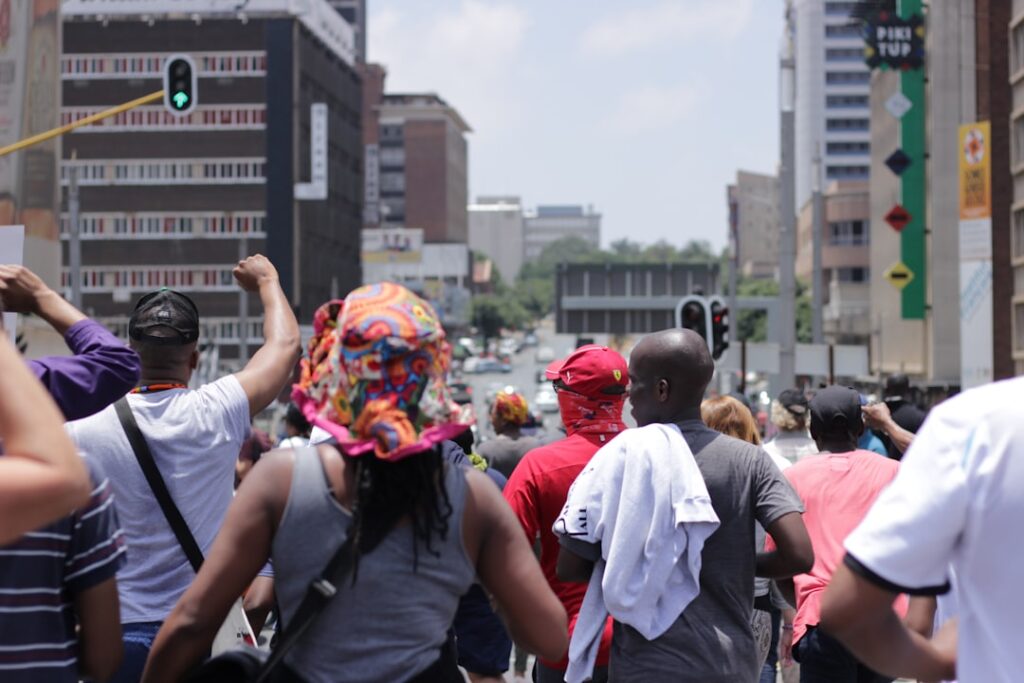
 News
NewsNews