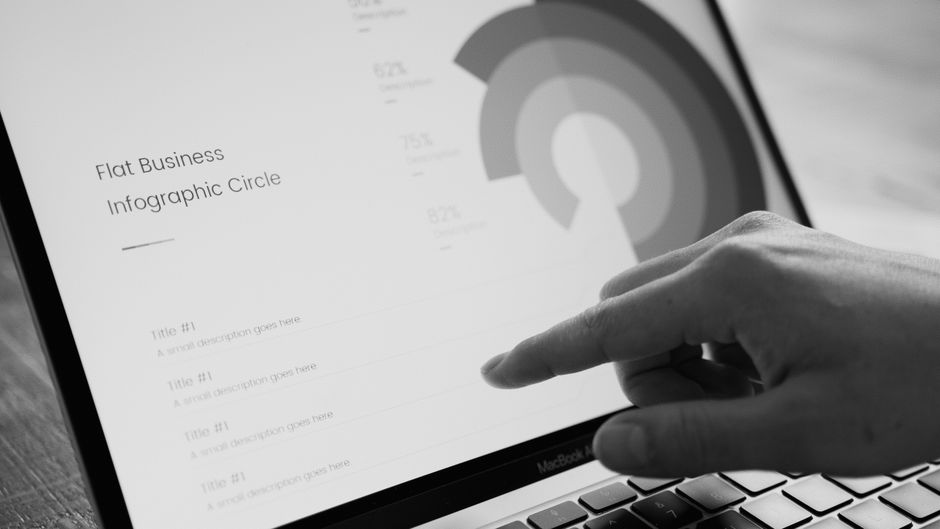
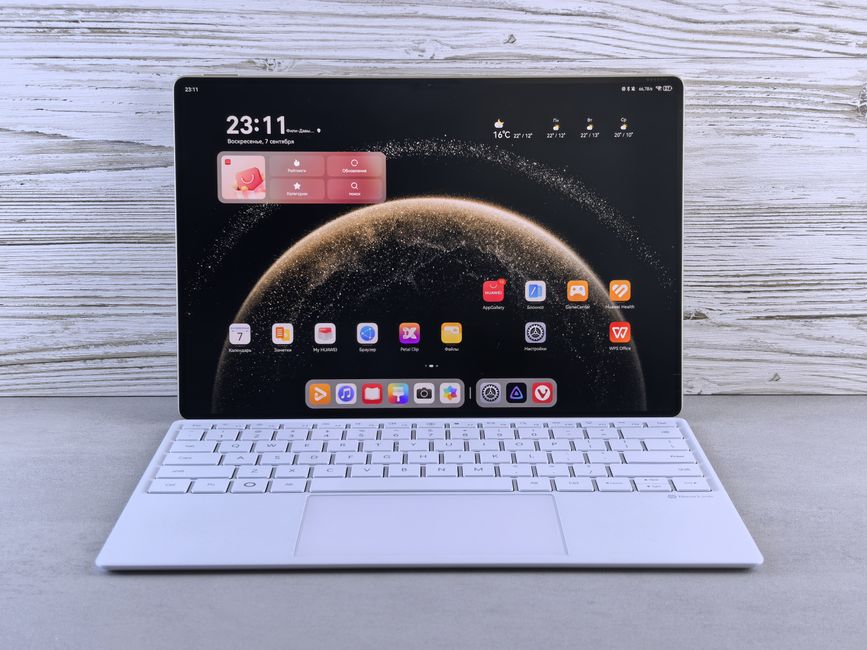
Apple unveiled a touch-screen MacBook Pro on Wednesday, letting users control the display with their fingers. John Ternus, Apple’s newly minted chief executive, introduced the model as the company’s third new product since succeeding Tim Cook in September.
The MacBook Pro Adds Finger Input
Steve Jobs, who became Apple’s chief executive again, rejected the idea of a touch-screen laptop in 2010, calling it “ergonomically terrible.” He also mocked companies making miniature tablets and suggested selling sandpaper so people could file their fingers down to use them. Two years later, Tim Cook, whom John Ternus succeeded as chief executive, introduced the iPad mini. Cook compared merging the MacBook and iPad to combining a toaster with a refrigerator.¹
Ternus has a 25-year history at Apple: he first helped design screens for Macs and later led hardware engineering. The company had also introduced two other new products in the months around the laptop unveiling. Last month, it unveiled its first foldable smartphone, the iPhone Duo. Earlier this month, it introduced HomeView, a tablet for the home.¹
Touch Comes With Screen and Performance Upgrades
Apple paired touch control with changes to the laptop’s hardware. The company upgraded its chips and microphones and added a brighter, more vivid screen. The new Mac is also thinner and lighter than its predecessor. Ternus said, “This display provides so much more than touch,” presenting the screen as an upgrade beyond finger input.¹
Ternus has a 25-year history at Apple: he first helped design screens for Macs and later led hardware engineering.
 News
Apple Launches Touchscreen MacBook Pro
Its PROLED XDR display comes in 14-inch and 16-inch sizes, with different external-display limits for the M5 Pro and M5 Max versions.
Read More →Apple demonstrated the laptop for graphic design and music production. It also emphasized the Mac’s performance at researching and running artificial intelligence. Those demonstrations show the touch screen within creative and computing tasks, rather than describing the device as a replacement for the MacBook Pro line.¹
Apple set the new Mac’s starting price at $2,899 and its availability date at Nov. The price comes after the company raised Mac prices in June: the base MacBook Pro increased by $300 to $1,999. Jitesh Ubrani, a director of consumer devices research at IDC, said, “One way to justify that price increase is to give more features.”¹
Touch Laptops Are a Small Share of Shipments
Lenovo, HP and Dell each sell touch-screen laptops. Even so, touch models accounted for 16 percent of all laptop shipments in the first half of this year, according to IDC. Ubrani said the Mac’s touch screen might appeal to people in creative businesses who spend more time editing photos and videos. Apple’s demonstrations of graphic design and music production put those uses directly on display.¹
Apple’s product range has widened across its core devices. It now sells six types of Macs, six types of iPhones and four types of iPads, with options that differ in features such as screen size, storage capacity and screen glass. The company once described its design process as requiring a thousand noes for every yes. Offering more product types creates new risks for a company that built its reputation around saying no.¹
Michael Gartenberg, a consumer technology analyst who worked in product marketing at Apple from 2013 to 2016, said the current strategy reminded him of the 1990s, when Apple was run by John Sculley and nearing bankruptcy. Gartenberg described the new approach as “such a nontraditional Apple way of doing things” and said it felt like “a thousand yeses for every no.” He added: “Whatever we’ve got cooking in the lab, just put them out there.”¹
 News
Crystal Bridges Adds 114,000 Square Feet in Bentonville
The museum draws about 800,000 visitors a year, while Bentonville home prices and rents have risen from their earlier levels.
Read More →When Steve Jobs became chief executive again, he killed most of Apple’s products and focused on a few. Apple now has a market capitalization of $5 trillion. Gartenberg’s comparison puts the expanded product strategy against that earlier period of concentration, while the touch-screen MacBook Pro adds another feature and product variation to the company’s lineup.¹
Ubrani said the Mac’s touch screen might appeal to people in creative businesses who spend more time editing photos and videos.
Touch Screens Shift Creative Hiring Priorities
If you work in graphic design or music production, a touch screen on a MacBook Pro is now a feature to weigh when choosing hardware. IDC reports touch laptops are only 16 percent of shipments, so this remains a niche tool, but Apple's demonstrations target your workflow directly. The new model starts at $2,899, a premium over the $1,999 base MacBook Pro, and IDC's Jitesh Ubrani notes that added features justify that price. Ask whether touch input genuinely speeds up your editing and video work before paying the difference.¹
Apple's shift to more product types, like the iPhone Duo and HomeView, signals a broader strategy of releasing many variations rather than a few refined ones. This creates more options for buyers but also more risk for the company, as analyst Michael Gartenberg compares the approach to the 1990s, when Apple neared bankruptcy. For your career, this means more Apple devices to learn and support, which could boost demand for skills in managing diverse hardware ecosystems. Plan for a market where Apple's lineup grows, and your adaptability across those products becomes a selling point.¹
Sources
Written by Career Ahead AI. AI can make mistakes, so verify key facts. Report errors to support@careeraheadonline.com