No products in the cart.

Applying Strategic Thinking to Personal Career Growth

Explore how strategic thinking tools can enhance your career planning. Learn to apply SWOT analysis and scenario planning to your personal development.

New York, USA — In a rapidly evolving job market, where adaptability is vital, leveraging strategic thinking can be a game changer for personal career growth. Tools like SWOT analysis and scenario planning, usually reserved for corporate strategy, can be effectively adapted for individual career planning.
This approach is increasingly relevant as industries worldwide face disruption. According to a 2023 report by the World Economic Forum, 85 million jobs may be displaced by 2025 due to automation and artificial intelligence, while 97 million new roles are expected to emerge that are more adapted to the new division of labor between humans and machines. This underscores the necessity for proactive career management in an unpredictable landscape.
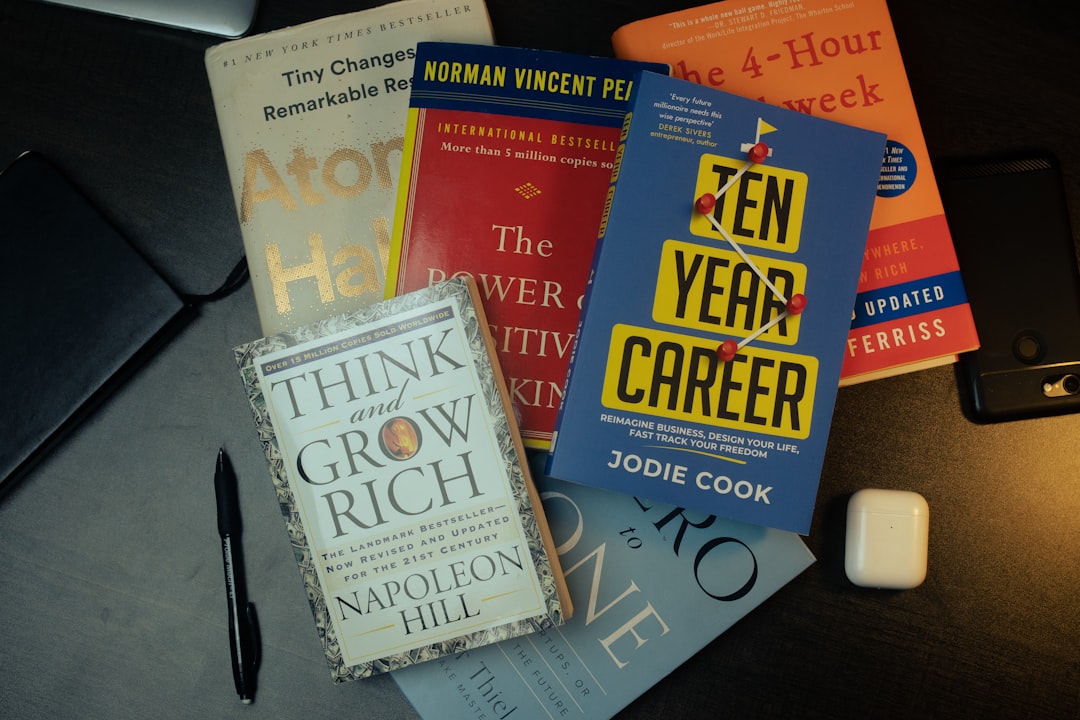
Strategic thinking empowers individuals to assess their current situation, anticipate future trends, and develop a roadmap for success. By employing tools traditionally used in business, professionals can identify their strengths, weaknesses, opportunities, and threats—commonly known as SWOT analysis. This method encourages self-reflection and critical analysis, enabling individuals to make informed choices about their career paths.
SWOT analysis begins with an honest appraisal of personal strengths and weaknesses. Strengths might include unique skills or experiences, while weaknesses could relate to areas needing improvement or gaps in knowledge. Opportunities involve external factors that could be leveraged for career advancement, such as emerging industries or networking potential. Threats could encompass job market instability or competition within one’s field.
Opportunities involve external factors that could be leveraged for career advancement, such as emerging industries or networking potential.
Consider the scenario planning aspect, which allows individuals to visualize different futures and prepare accordingly. For example, a marketing professional might envision three different career paths: moving up within their current organization, switching to a startup, or transitioning into a completely different industry like tech. Each scenario would require different skills and preparations, prompting the individual to strategize accordingly.
Context and Background
The shift towards strategic thinking in personal development is not merely a trend but a response to changing workforce dynamics. A 2023 study by the Institute for the Future highlighted that 50% of jobs will require significant reskilling within five years. This emphasizes the urgency for individuals to take charge of their career trajectories.
You may also like
 Career Guidance
4,000 Students Connect with 85 Recruiters at AVASAR 2026
The University of Delhi's AVASAR 2026 placement drive will connect over 4,000 students with more than 85 recruiters, underscoring the increasing demand for skilled graduates…
Read More →Moreover, the rise of the gig economy has altered traditional employment structures. According to McKinsey, as of 2022, about 36% of U.S. workers engage in gig work, either full-time or part-time. This shift necessitates a more strategic approach to career planning, as individuals must navigate diverse opportunities while ensuring financial stability.
Employers increasingly value strategic thinkers. A survey by LinkedIn found that 57% of business leaders consider strategic thinking a critical skill for future employees. With organizations seeking individuals who can not only perform tasks but also foresee challenges and opportunities, adapting these business strategies for personal use becomes imperative.
Analysis from various experts suggests that integrating strategic frameworks into personal planning can yield significant benefits. Dr. Julia Rhea, a career coach and author, states, “Using business strategy tools allows individuals to think more critically about their career paths. It’s about taking a proactive stance rather than a reactive one.”
Conversely, some experts warn against over-reliance on structured frameworks. Dr. Alan Morrison, a psychologist specializing in career development, argues that while strategic tools can provide clarity, they may also limit creativity. “Not every career path is linear, and sometimes the most rewarding opportunities come from unexpected places,” he notes.
A survey by LinkedIn found that 57% of business leaders consider strategic thinking a critical skill for future employees.
Despite these differing perspectives, the consensus is clear: strategic thinking can enhance one’s ability to navigate the complexities of career development. By blending structured analysis with adaptability, individuals can create robust career plans that are resilient to change.
Looking Ahead
As the workforce continues to evolve, those who master the art of strategic thinking will be better positioned to thrive. The ability to adapt, reassess, and pivot based on market demands will be crucial. For young professionals entering the job market, adopting these strategies early can provide a competitive edge.
You may also like
 Career Guidance
Gujarat Boosts Teachers with Career Guidance Training
Gujarat has initiated a comprehensive training program for teachers aimed at enhancing their ability to guide students in making informed career choices, addressing a critical…
Read More →Incorporating regular SWOT analyses and scenario planning into personal development routines can foster a mindset geared towards growth and resilience. As industries shift and new opportunities arise, individuals equipped with strategic frameworks will find themselves not only prepared but also empowered to seize the moment. The future of work may be uncertain, but with strategic thinking, it can also be an opportunity for those willing to engage actively with their career paths.