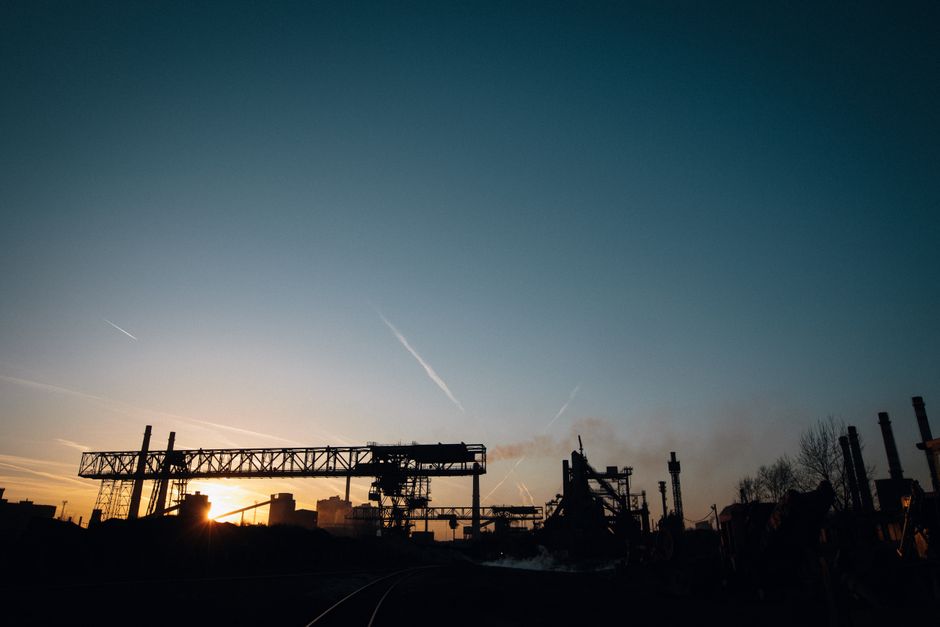
ArcelorMittal has announced its intention to invest $960 million in the expansion of its steel mill in Brazil. This significant investment aims to enhance production capacity and is expected to create numerous job opportunities in the region. The expansion, which is planned for the Tubarão plant, reflects ArcelorMittal’s commitment to meeting the growing demand for steel in various sectors.
This expansion comes at a critical time as the steel industry faces increasing pressure to ramp up production to support construction and infrastructure projects across Brazil. With the Brazilian government pushing for economic recovery, the timing of this investment is particularly relevant. It highlights the potential for job creation and the need for skilled workers in the steel and construction sectors.
Increased Demand for Skilled Workers in Steel Production
The expansion of ArcelorMittal’s steel mill is poised to create a ripple effect in the job market, particularly for engineers and project managers. As the company increases its production capacity, there will be a heightened demand for professionals with expertise in steel manufacturing and project management. Career Ahead’s analysis shows that this shift aligns with broader trends in emerging markets, where the need for skilled labor in the steel industry is growing rapidly.
According to gmk.center, the investment in the Tubarão plant is part of a larger strategy to bolster Brazil’s steel production capabilities. This move is expected to generate thousands of job openings, particularly for roles such as production engineers, quality control specialists, and logistics coordinators. The focus on enhancing production efficiency will require a workforce that is well-versed in modern steel manufacturing techniques. Additionally, the expansion is anticipated to create opportunities for skilled tradespeople, such as welders and machinists, who are essential for maintaining and operating advanced manufacturing equipment.
Furthermore, the expansion is likely to attract talent from other regions, creating a competitive job market for skilled professionals. As companies like ArcelorMittal invest in advanced technologies and processes, workers with specialized skills will be in high demand. This trend underscores the importance of ongoing education and training in the steel sector, as workers will need to adapt to the evolving landscape. The investment will also likely lead to partnerships with local educational institutions, fostering programs that prepare students for careers in steel production and related fields.
These professionals will play a crucial role in ensuring that projects are completed on time and within budget, further emphasizing the need for strong management skills in the industry.
In addition to engineering roles, there will be opportunities for construction project managers to oversee the implementation of new projects related to the expanded production capacity. These professionals will play a crucial role in ensuring that projects are completed on time and within budget, further emphasizing the need for strong management skills in the industry. As highlighted by chemanalyst.com, the anticipated growth in Brazil’s steel production could also lead to increased collaboration between steel manufacturers and construction firms, enhancing project delivery and efficiency.
Impact on Supply Chain Logistics for Construction Projects
 Industry & Global Trends
Mphasis Secures £35.4 Million Contract with Scotland
The extended engagement will ensure the stability and reliability of the platform, which handles key functions such as benefit applications and payments.
Read More →The expansion of ArcelorMittal’s steel mill will also have significant implications for supply chain logistics in the construction sector. As production increases, the efficiency of logistics operations will become increasingly important to ensure that materials are delivered on time and in the right quantities. Career Ahead research identifies that this will necessitate a reevaluation of current supply chain strategies within the Brazilian construction industry.
With the anticipated growth in steel production, construction companies will need to optimize their logistics to manage the increased flow of materials. This may involve investing in new technologies and processes to enhance supply chain efficiency. For instance, companies may implement advanced tracking systems to monitor the movement of steel products from the mill to construction sites. Moreover, the integration of digital tools and data analytics could streamline operations, allowing for better forecasting and inventory management.
Moreover, the increased demand for steel is likely to spur collaborations between steel manufacturers and construction firms. Such partnerships can facilitate better planning and coordination, ultimately leading to more successful project outcomes. As ArcelorMittal ramps up production, construction companies will need to adapt their logistics strategies to align with the new supply dynamics. This could also lead to innovations in transportation methods, as logistics providers seek to accommodate the higher volume of materials being shipped. Enhanced transportation infrastructure may emerge as a critical component of this expansion, ensuring that the supply chain remains robust and responsive to market needs.
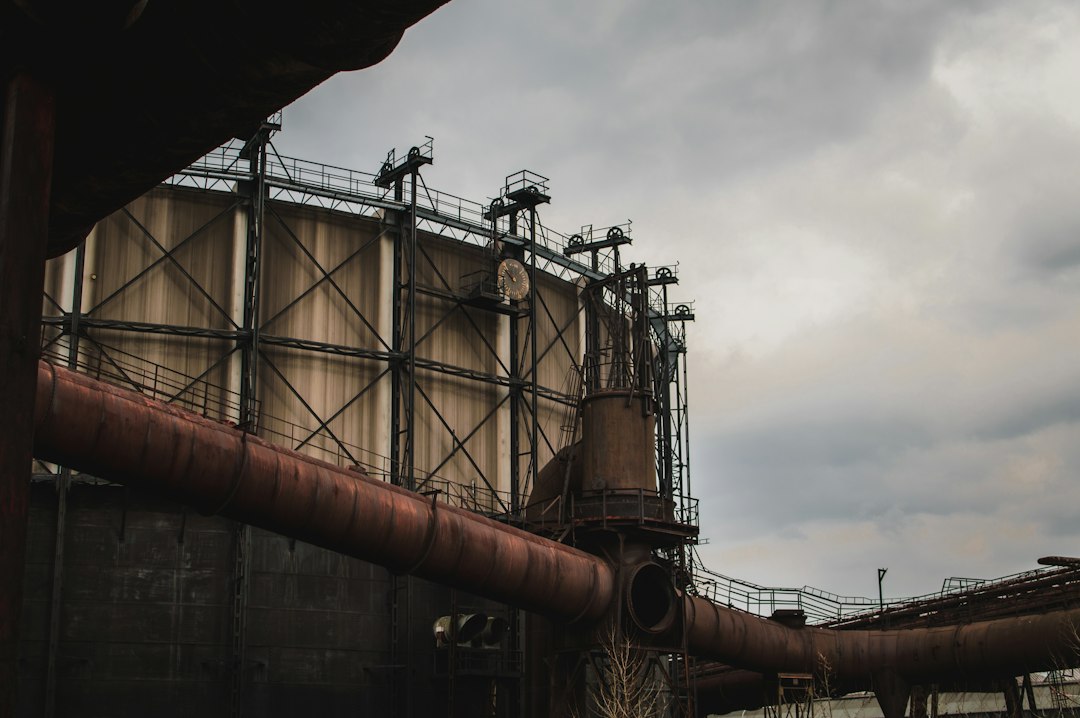
Additionally, the expansion may lead to changes in transportation infrastructure, as logistics providers seek to accommodate the higher volume of materials being shipped. This could create further opportunities for professionals in logistics and supply chain management, as companies look to enhance their capabilities to meet the demands of the expanding steel market. Overall, the impact of ArcelorMittal’s expansion on supply chain logistics will be far-reaching, affecting not only steel manufacturers but also the broader construction industry. Professionals in these fields should prepare for a changing landscape as the demand for efficient logistics solutions grows.
This could create further opportunities for professionals in logistics and supply chain management, as companies look to enhance their capabilities to meet the demands of the expanding steel market.
The economic implications of ArcelorMittal’s $960 million investment extend beyond the immediate job creation in the steel sector. This expansion is likely to stimulate economic growth in the surrounding areas, as increased employment leads to higher consumer spending. Local businesses, from restaurants to retail stores, may benefit from the influx of workers and their families, creating a more vibrant local economy.
 Industry & Global Trends
Agarwal Says India Can Attract Data Centre Investment
Agarwal cites data-centre construction costs around half the US and Europe level, renewable energy, a 1.5 billion population and coastline.
Read More →Additionally, the Brazilian government is likely to view this investment favorably, as it aligns with their goals for economic recovery and industrial growth. The expansion of the steel mill can be seen as a positive signal to other potential investors, demonstrating that Brazil remains an attractive destination for large-scale industrial investments. Career Ahead analysis finds that as Brazil’s steel production capacity increases, the country may become more competitive in the global steel market. This could lead to an increase in exports, further boosting the economy. The expansion may also encourage other companies to consider similar investments, creating a cycle of growth within the industry.
In this context, the expansion of ArcelorMittal’s steel mill is not just a corporate decision; it is a strategic move that could reshape the economic landscape of Brazil. As the steel industry evolves, the potential for job creation and economic growth will be significant, making this a crucial moment for professionals in the sector.
The future of the steel industry in Brazil looks promising, but it will require careful management of resources and workforce development to fully realize the benefits of this expansion. Stakeholders across the industry must work together to ensure that the opportunities created by ArcelorMittal’s investment lead to sustainable growth and development.
Frequently Asked Questions
What new job opportunities will arise from ArcelorMittal’s expansion?
The expansion of ArcelorMittal’s steel mill is expected to create thousands of jobs, particularly for engineers, quality control specialists, and logistics coordinators. The increased production capacity will drive demand for skilled professionals in the steel industry.
Professionals looking to enter the expanding steel industry should focus on acquiring skills in steel production processes, project management, and supply chain logistics.
How will this expansion impact construction timelines in Brazil?
With the anticipated increase in steel production, construction companies will need to optimize their logistics and supply chain strategies. This may lead to more efficient project timelines as materials become more readily available, potentially shortening construction durations.

What skills are needed to work in the expanding steel industry?
Professionals looking to enter the expanding steel industry should focus on acquiring skills in steel production processes, project management, and supply chain logistics. These areas will be critical as the industry evolves and demand for skilled labor increases.
 Industry & Global Trends
Tech Layoffs Near 196,000 Globally in 2026
Nearly 196,000 tech professionals were laid off globally by late October 2026. May saw about 29,000 jobs eliminated in a single month.
Read More →Written by Career Ahead AI. AI can make mistakes, so verify key facts. Report errors to support@careeraheadonline.com.