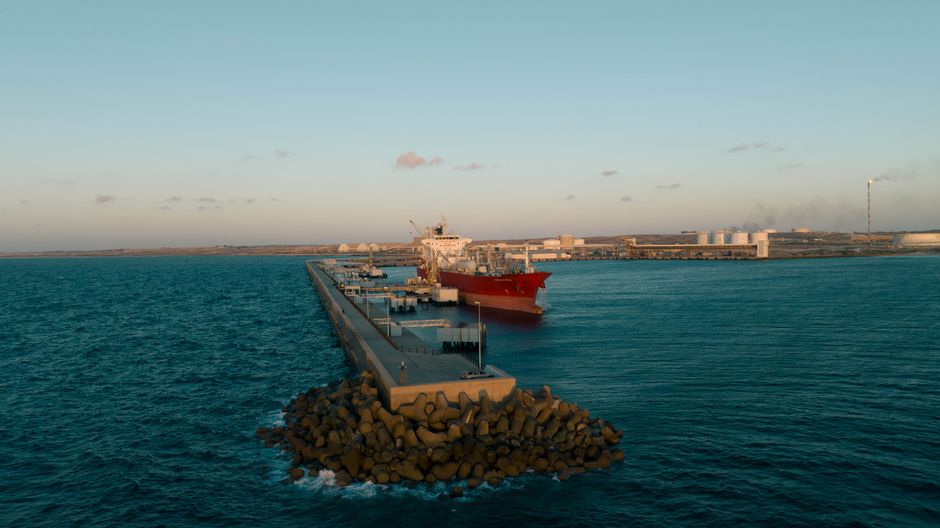
Mideast oil exports have rebounded significantly as of late September 2026. There has been an increase in tanker movements through the Strait of Hormuz. This surge shows that shippers are regaining confidence in the region. However, global oil supply still remains below demand levels. The rise in tanker traffic will likely influence oil pricing strategies and logistics operations across the industry.
The Strait of Hormuz is a critical chokepoint for oil shipments. It carries about 20% of the world’s seaborne oil. Increased activity in this narrow waterway reflects a broader recovery in Mideast oil exports. These exports had faced disruptions earlier this year. According to Career Ahead’s analysis of data from tradeint.com, the rebound in shipments is mainly due to Saudi Arabia’s decision to boost exports. This is happening despite high global oil prices.
As of late September, the International Energy Agency (IEA) reported a notable rise in exports from Saudi Arabia. Saudi Arabia has been a key player in stabilizing the global oil market. The IEA noted that this increase is crucial for meeting rising demand, especially in Asia. Many countries are recovering from economic slowdowns. The need for reliable oil supplies is more pressing than ever.
Career Ahead research shows that the increase in tanker traffic is not just a response to demand. It is also a strategic move by Mideast producers to solidify their market share amid fluctuating prices. This dynamic could lead to shifts in pricing strategies as traders adapt to the new realities of supply and demand.
Impact on Oil Pricing Strategies
The resurgence of oil exports from the Mideast is expected to have significant effects on pricing strategies among oil traders. With increased supply flowing through the Strait of Hormuz, traders must navigate a complex landscape. Prices are influenced by both supply levels and geopolitical factors. Career Ahead’s analysis finds that as tanker traffic increases, traders may need to adjust their pricing models to account for potential volatility.
Career Ahead’s analysis finds that as tanker traffic increases, traders may need to adjust their pricing models to account for potential volatility.
Current pricing strategies are heavily influenced by the balance of supply and demand. As Mideast exports rise, traders may be in a position to leverage this increased supply. They can negotiate better pricing terms. However, they must remain vigilant about geopolitical tensions that could disrupt supply chains.
 Industry & Global Trends
Global Trade Surprises with Unexpected Resilience
As the demand for AI technologies continues to grow, supply chain managers must adapt to the new dynamics of logistics and sourcing.
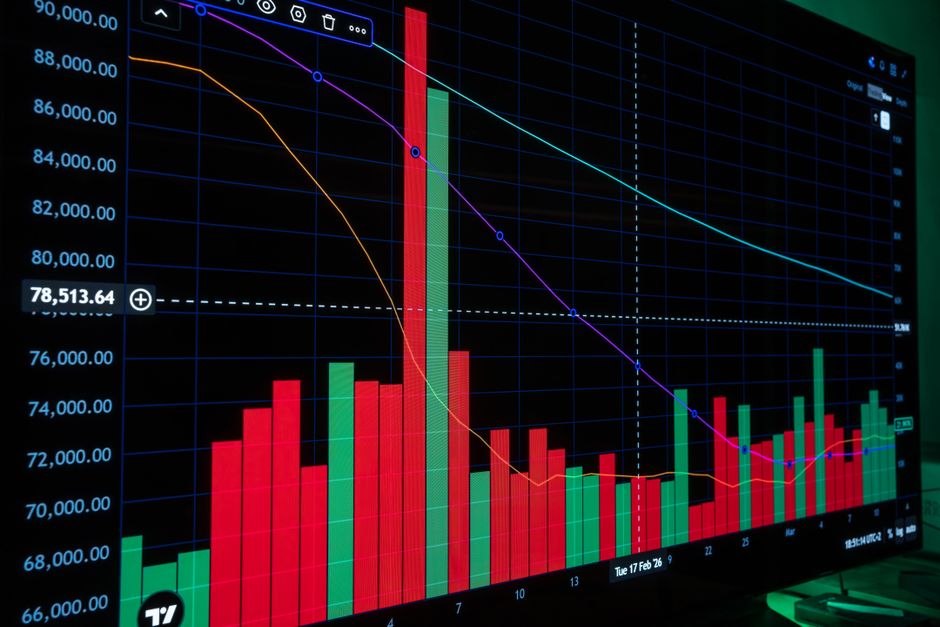
Read More →Moreover, as reported by reuters.com, fluctuations in oil prices are tied to broader economic indicators. These include inflation rates and global economic growth. Traders who stay informed about these trends can better position themselves in the market. Understanding the interplay between Mideast oil exports and global economic conditions is crucial for effective pricing strategies.
Logistics managers in the oil transportation sector will also need to adapt to these changes. The increase in tanker traffic may require adjustments in logistics planning and operations. Companies must ensure they can handle the increased volume of shipments efficiently. They must also mitigate risks related to potential delays or disruptions.
Supply Chain Adjustments for Oil Logistics
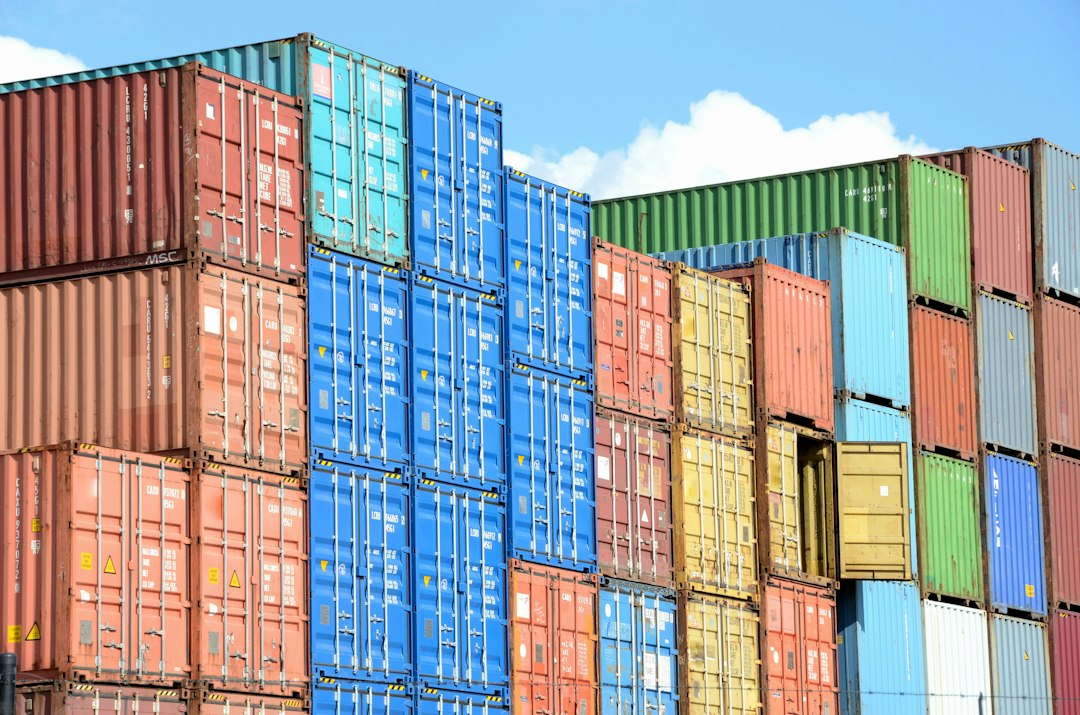
With the increase in oil exports, logistics managers must reevaluate their supply chain strategies. The rise in tanker movements through the Strait of Hormuz presents both opportunities and challenges. As oil flows increase, logistics teams need to manage the complexities of transporting larger volumes of oil safely and efficiently.
Career Ahead research highlights that logistical challenges in the oil supply chain are often worsened by geopolitical tensions.
Career Ahead research highlights that logistical challenges in the oil supply chain are often worsened by geopolitical tensions. Logistics managers must remain agile and responsive to any shifts in the market landscape. This may involve diversifying transportation routes or investing in technology to enhance tracking and monitoring capabilities.
Additionally, as reported by euronews.com, the rise in LNG traffic through the Strait of Hormuz signals a shift in logistics planning. With more shipments moving through the region, logistics managers must accommodate the unique requirements of LNG transportation. This can differ significantly from traditional oil logistics.
 Industry & Global Trends
September Rate Hike’s Impact on Financial Analysts
The Federal Reserve's recent hawkish stance and September rate hike have significant implications for financial analysts and investment managers. Understanding these changes is crucial for…
Read More →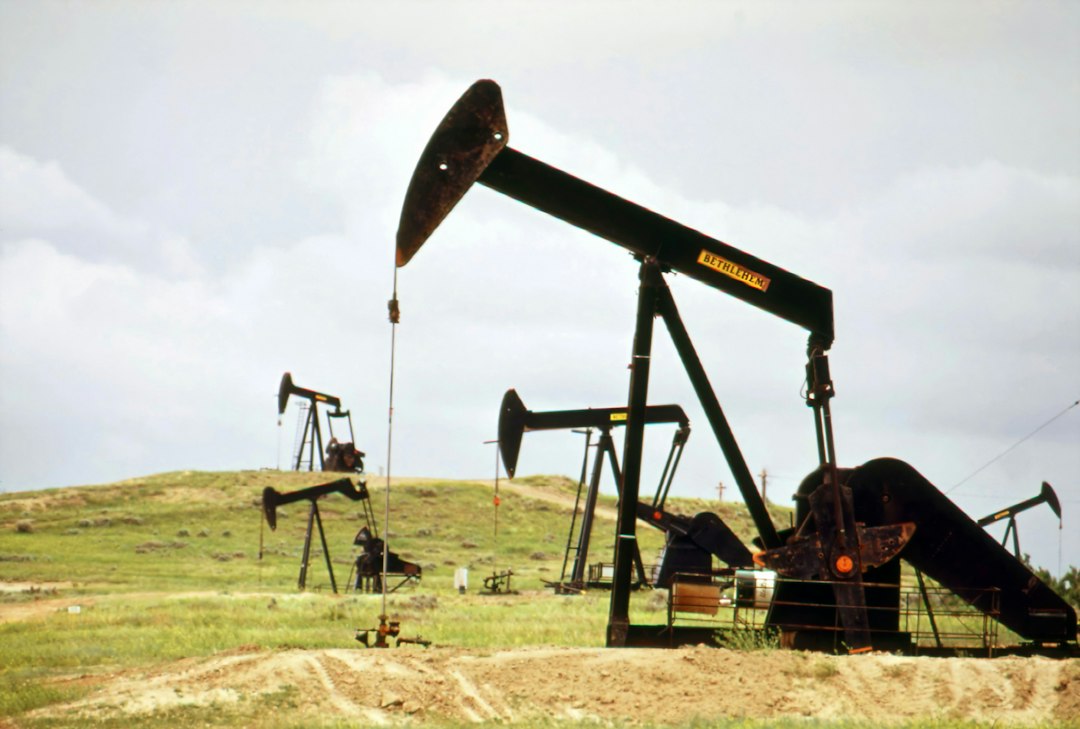
The increased tanker traffic affects logistics planning and has implications for cost management. As supply chains become more complex, logistics managers will need to optimize their operations. They must control costs while maintaining service levels. This may involve renegotiating contracts with shipping companies or exploring alternative transportation methods.
Ultimately, the rebound in Mideast oil exports is reshaping the landscape for oil traders and logistics managers alike. With the right strategies and adaptive planning, these professionals can navigate challenges and capitalize on opportunities in the evolving market.
The current surge in oil exports raises questions about the future of the global oil market. Will Mideast producers continue to increase their output? Or will geopolitical tensions disrupt this trend? As traders and logistics managers adapt to these changes, the implications for pricing and supply chain strategies will be significant.
The current surge in oil exports raises questions about the future of the global oil market.
Frequently Asked Questions
What are the implications of increased tanker traffic for oil traders?
Increased tanker traffic through the Strait of Hormuz indicates a rise in oil exports. This can lead to fluctuations in oil prices. Traders must adapt their pricing strategies and remain aware of geopolitical risks that may affect supply.
How should logistics managers adapt to changes in oil export patterns?
Logistics managers should reevaluate their supply chain strategies to handle the increased volume of oil shipments. This may involve diversifying transportation routes and investing in technology for better tracking and monitoring.
What strategies should oil traders employ in response to fluctuating demand?
Oil traders should stay informed about global economic indicators and geopolitical developments that may affect oil supply and demand. Adjusting pricing models and leveraging increased supply can be effective strategies.
 Industry & Global Trends
Robert Rubin Warns AI Boom Carries Risks for US Economy, Markets
Former U.S. Treasury Secretary Robert Rubin has raised alarms about the economic risks associated with the rapid growth of artificial intelligence, emphasizing the need for…
Read More →Written by Career Ahead AI. AI can make mistakes, so verify key facts. Report errors to support@careeraheadonline.com.