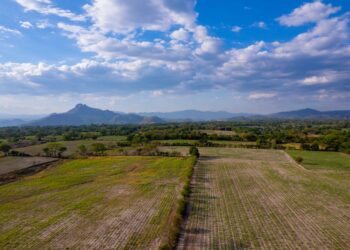
The artificial ice pyramids, known as Automated Ice Reservoirs (AIR), are designed to efficiently store and supply meltwater during the crucial spring planting season.
India’s rural mountain regions are experiencing a groundbreaking shift in water conservation techniques through the implementation of artificial ice pyramids. In the Himalayan village of Sakti, local farmers are utilizing this innovative technology to combat water scarcity exacerbated by climate change. This initiative, developed in partnership with the private company Acres of Ice, has begun transforming agricultural practices and enhancing food security for communities vulnerable to the impacts of global warming.
The artificial ice pyramids, known as Automated Ice Reservoirs (AIR), are designed to efficiently store and supply meltwater during the crucial spring planting season. By piping water from higher altitudes and using advanced technology to create ice, these structures serve as vital resources for farmers who have been struggling with increasingly erratic weather patterns and diminishing glacial resources. As reported by the BBC, the region has seen a significant retreat of glaciers, which have historically provided essential irrigation water, making the need for such innovative solutions even more pressing.
Innovative Technology for Water Retention
The AIR system is a significant upgrade from previous methods of creating ice stupas, which involved manually spraying water into the air to freeze into ice towers. The new system is automated and uses sensors to monitor environmental conditions, ensuring that water is transformed into ice effectively and without damaging the piping system. This precision helps avoid issues like cracked pipes that plagued earlier models, making the process much more efficient. The automated system not only minimizes labor but also maximizes water conservation by converting nearly all diverted water into ice. Farmers, like Gelak Gutme from Sakti, have reported a noticeable improvement in water availability, allowing them to cultivate crops more reliably.
During the winter of 2025, ten AIR projects were launched across Ladakh, demonstrating the scalability of this technology. Each project is tailored to local conditions, ensuring that the unique challenges of each area are addressed. The integration of solar power into the AIR systems adds a layer of sustainability, as this renewable energy source powers the control boxes that manage the ice production process, reinforcing the commitment to environmentally friendly practices in rural development. The success of these projects has the potential to inspire similar initiatives in other regions facing water scarcity, as highlighted by reports from Yahoo News and other outlets.
Career Ahead’s analysis finds that the introduction of AIR systems could significantly alter agricultural practices in similar climates across the globe. As water scarcity becomes a pressing issue in many regions, the success of these artificial ice pyramids may inspire similar initiatives in other countries facing climate-induced water challenges. The implications of this technology extend beyond immediate water availability. By enhancing agricultural productivity, these systems can contribute to local economies, reduce migration to urban areas, and improve food security. The villagers of Sakti, who once faced uncertain futures due to water shortages, are now optimistic about their agricultural prospects.
U.S. stocks rose following a weak jobs report that tempered expectations for Federal Reserve interest rate hikes. This shift in market sentiment is crucial for…
The success of these projects has the potential to inspire similar initiatives in other regions facing water scarcity, as highlighted by reports from Yahoo News and other outlets.
Impact on Local Agriculture and Food Security
The artificial ice pyramids are not just a technological marvel; they represent a lifeline for farmers in Ladakh. The region has been grappling with harsh climatic conditions, including reduced rainfall and the retreat of glaciers, which have historically provided water for irrigation. Farmers like Gutme have experienced firsthand the devastating effects of these changes, with entire crops failing due to lack of water. The introduction of AIR systems has allowed farmers to plant their crops earlier in the season, knowing they have a reliable water source to support growth. This not only boosts crop yields but also enhances the nutritional security of local communities.
Career Ahead’s research indicates that the success of this initiative could lead to increased interest from governmental and non-governmental organizations in supporting similar projects. By investing in water conservation technologies, stakeholders can help rural communities adapt to the realities of climate change and ensure sustainable agricultural practices. Furthermore, the positive outcomes from these projects may encourage young people in these villages to remain in agriculture instead of migrating to cities for work. This retention of youth in farming is vital for maintaining cultural practices and ensuring the continuity of local food systems.
As the AIR system gains traction, there is potential for further innovation. Farmers and engineers may collaborate to refine the technology, making it even more efficient and adaptable to different environmental conditions. This could lead to a broader application of similar systems in other mountainous regions facing water scarcity. The adaptability of the AIR system could provide a template for engineers and environmentalists looking to tackle water scarcity in their regions. By sharing knowledge and best practices, communities can learn from the experiences of those in Ladakh.
The success of artificial ice pyramids in Ladakh opens the door for similar projects in other parts of India and beyond. Regions experiencing similar climatic challenges, such as parts of Africa and South America, could benefit from adopting this technology. As global temperatures continue to rise, the urgency for innovative water conservation methods will only increase. Career Ahead analysis identifies that the growing demand for sustainable engineering solutions is likely to drive investment in technologies like AIR. As more regions recognize the importance of water conservation, we may see a surge in funding for similar initiatives aimed at enhancing agricultural sustainability.
In conclusion, the artificial ice pyramids are a testament to human ingenuity in the face of climate adversity. As communities continue to innovate and adapt, the potential for these technologies to reshape agricultural practices globally remains significant. The future of water availability in rural regions may depend on the widespread adoption of solutions like the AIR system. Will these innovations inspire a global movement towards sustainable water management practices?
Anup Bagchi, with over three decades in financial services, is set to lead HDFC Bank starting October 27, 2026, following the retirement of Sashidhar Jagdishan.
The success of artificial ice pyramids in Ladakh opens the door for similar projects in other parts of India and beyond.
Frequently Asked Questions
How do artificial ice pyramids work for water conservation?
Artificial ice pyramids, or Automated Ice Reservoirs, use a system of pipes to spray water into the air during winter, where it freezes into ice. This ice melts in the spring, providing a reliable water source for farmers.
What are the benefits of using artificial ice in agriculture?
Using artificial ice helps farmers in arid regions secure water during critical growing seasons. This technology enhances crop yields, improves food security, and reduces the need for labor-intensive water management practices.
What should environmental engineers consider when implementing similar technologies?
Environmental engineers should assess the local climate, water availability, and community needs when implementing technologies like artificial ice pyramids. Collaboration with local farmers and stakeholders is crucial for ensuring the success and sustainability of such projects.



News
 News
News