No products in the cart.

Geoengineering Risks Demand Urgent Attention

Experts warn that geoengineering technologies, particularly solar geoengineering, pose significant risks, including the phenomenon known as 'termination shock.'

Experts are raising concerns about the risks of geoengineering technologies. One major issue is called “termination shock.” On June 19, 2026, climate scientists like Raymond Pierrehumbert, Julia Slingo, Michael Mann, and Valerie Masson-Delmotte published a critical analysis. They warned that geoengineering could cause catastrophic consequences if not properly understood and governed.
These warnings come as discussions about geoengineering grow. Many proposals are being discussed to fight climate change. However, experts stress that some methods, especially solar geoengineering, could destabilize Earth’s climate systems. They call for careful examination and teamwork among climate scientists and geoengineering researchers.
Understanding Termination Shock and Its Implications
Termination shock refers to rapid climate changes that might happen if geoengineering efforts stop suddenly. Scientists argue that solar geoengineering, which involves injecting substances into the atmosphere to reflect sunlight, may offer a temporary fix but carries serious risks. If these efforts are halted abruptly, greenhouse gases could cause a swift rise in global temperatures. This would lead to severe ecological and social disruptions. Pierrehumbert and his colleagues warn that stopping solar geoengineering suddenly could create climate effects that humanity is not ready to handle.
Career Ahead analysis shows that this phenomenon poses a serious risk to vulnerable populations and ecosystems. Scientists caution that relying on geoengineering could distract from essential actions like reducing carbon emissions. This might create a false sense of security, making policymakers less urgent about implementing sustainable solutions. The risk of termination shock raises ethical questions about the responsibilities of scientists and policymakers in managing these technologies. A recent article in The Guardian highlights that the risks of geoengineering are not just technical but also linked to social justice and equity concerns.
Additionally, the lack of comprehensive modeling and understanding of geoengineering’s long-term effects raises more worries. Current climate models have not thoroughly assessed the potential regional impacts of solar geoengineering. This leaves significant uncertainties about how different ecosystems might react. Experts stress the need for rigorous scientific research to explore these unknowns before any geoengineering initiatives are launched. Understanding how different geographical areas may experience climate shifts differently is crucial, as this could worsen existing inequalities and vulnerabilities.
This teamwork can help ensure that any future interventions are based on sound scientific principles and ethical considerations.
You may also like
 News
NewsScammers Target Remote Workers with OTP and Fake Job Scams
Remote workers are increasingly targeted by sophisticated scams involving fake job offers and OTP requests. Understanding these tactics is crucial for freelancers and digital marketers…
Read More →Given these warnings, interdisciplinary collaboration is vital. Climate scientists, policymakers, and geoengineering researchers must work together. They need to create a solid framework for assessing the risks and benefits of geoengineering technologies. This teamwork can help ensure that any future interventions are based on sound scientific principles and ethical considerations. The urgency of these discussions is clear, as geoengineering could be misused, leading to unintended consequences that harm global climate stability.
The Role of Interdisciplinary Research in Climate Solutions
Climate change demands a multi-faceted approach to find solutions. Interdisciplinary research is key to understanding the complexities of climate systems and the potential impacts of geoengineering. By combining knowledge from various fields, researchers can create better models that account for the intricate interactions within the climate system. Experts emphasize that focusing only on technological fixes could ignore essential social and environmental dynamics.
For example, insights from atmospheric sciences, ecology, and social sciences can improve decision-making about geoengineering interventions. This broad understanding can help identify potential risks and benefits, leading to more informed discussions about these technologies’ viability. Career Ahead research suggests that fostering interdisciplinary collaboration could result in more innovative and effective climate solutions. Diverse perspectives are crucial for creating balanced approaches to climate interventions that respect ecological integrity and human rights.
As geoengineering technologies evolve, researchers and practitioners must also adapt their skills. Climate scientists and geoengineering researchers need a range of skills. These include technical expertise in climate modeling, ethics, governance, and public engagement. This diverse skill set is essential for navigating the complex landscape of geoengineering and its implications. Experts stress that addressing climate change requires more than just technological solutions. It demands a comprehensive understanding of societal impacts, ethical considerations, and governance frameworks. By prioritizing interdisciplinary research, the scientific community can ensure that climate solutions are well-rounded and sustainable.
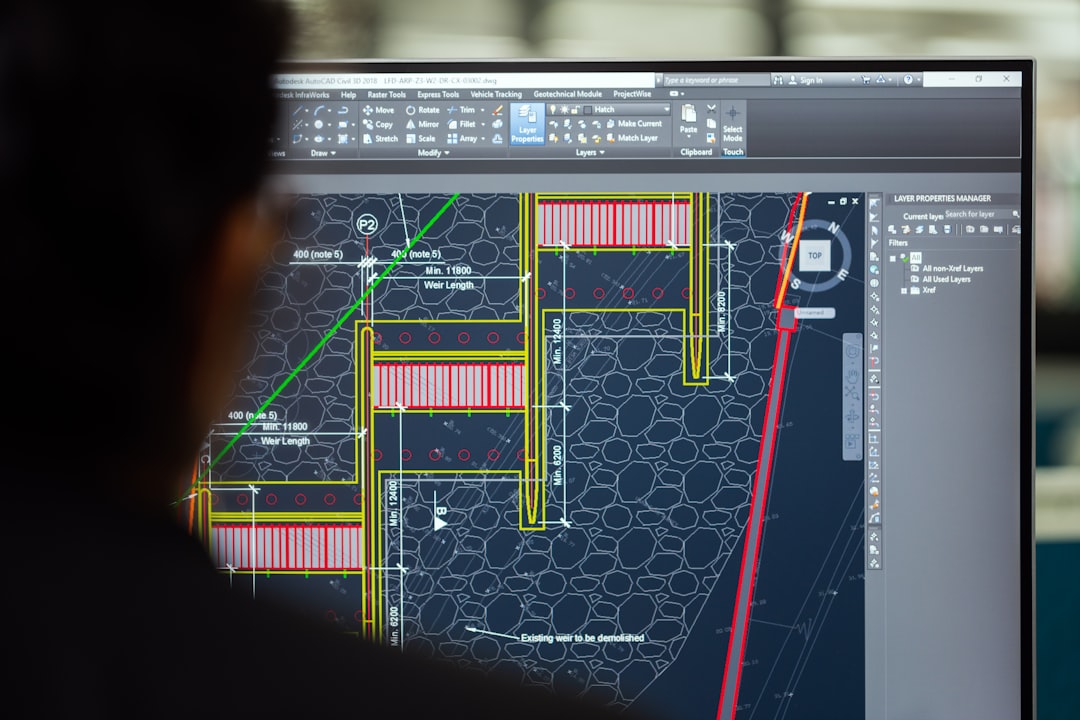
As climate science evolves, educational institutions must lead in equipping future leaders with the tools to address these pressing issues responsibly.
In this context, educational institutions play a crucial role. They must update their curricula to include interdisciplinary approaches. This will prepare the next generation of climate scientists and geoengineering researchers. Such changes will enhance research effectiveness and foster collaboration and innovation in tackling climate challenges. As climate science evolves, educational institutions must lead in equipping future leaders with the tools to address these pressing issues responsibly.
The warnings from leading climate scientists about geoengineering have significant policy implications. As governments and organizations explore climate interventions, they must carefully weigh the risks of geoengineering technologies. Experts advocate for a precautionary approach. They emphasize that any geoengineering deployment should be accompanied by thorough impact assessments. The lack of a strong governance framework for geoengineering is a major challenge. Without proper oversight, private companies might pursue profit-driven geoengineering projects without considering environmental consequences. This could lead to reckless deployments that worsen climate issues instead of solving them.
You may also like
 News
NewsU.S. Stocks Climb as Weak Jobs Data Lowers Rate Hike Expectations
U.S. stocks rose following a weak jobs report that tempered expectations for Federal Reserve interest rate hikes. This shift in market sentiment is crucial for…
Read More →Moreover, the insights from experts highlight the importance of public engagement in geoengineering discussions. Policymakers must ensure that the public is informed and involved in decision-making about these technologies. Transparency and inclusivity are vital for building trust and ensuring that all stakeholders’ interests are considered. As the conversation around geoengineering evolves, climate scientists, researchers, and policymakers must stay vigilant. The rapid pace of technological advancements requires ongoing dialogue and reassessment of the risks and benefits of geoengineering. The potential for unintended consequences underscores the need for a cautious and informed approach to future interventions.
Looking ahead, the question remains: how will the scientific community and policymakers navigate the complex landscape of geoengineering amid urgent climate challenges? The answers will shape the future of climate interventions and our planet’s sustainability. As Pierrehumbert and colleagues recently articulated, the stakes are high. The path forward must be approached with care and foresight.
Frequently Asked Questions
What are the latest expert opinions on geoengineering risks?
Experts warn that geoengineering technologies, especially solar geoengineering, pose significant risks. These include the potential for termination shock, which could cause rapid climate changes if interventions stop suddenly. They stress the need for careful consideration and interdisciplinary collaboration in developing these technologies.
They should develop a diverse skill set that includes technical expertise, ethics, and governance.
How can climate scientists prepare for potential geoengineering policies?
Climate scientists can prepare by engaging in interdisciplinary research. They should develop a diverse skill set that includes technical expertise, ethics, and governance. This will help them navigate the complex landscape of geoengineering and contribute to informed policy discussions.
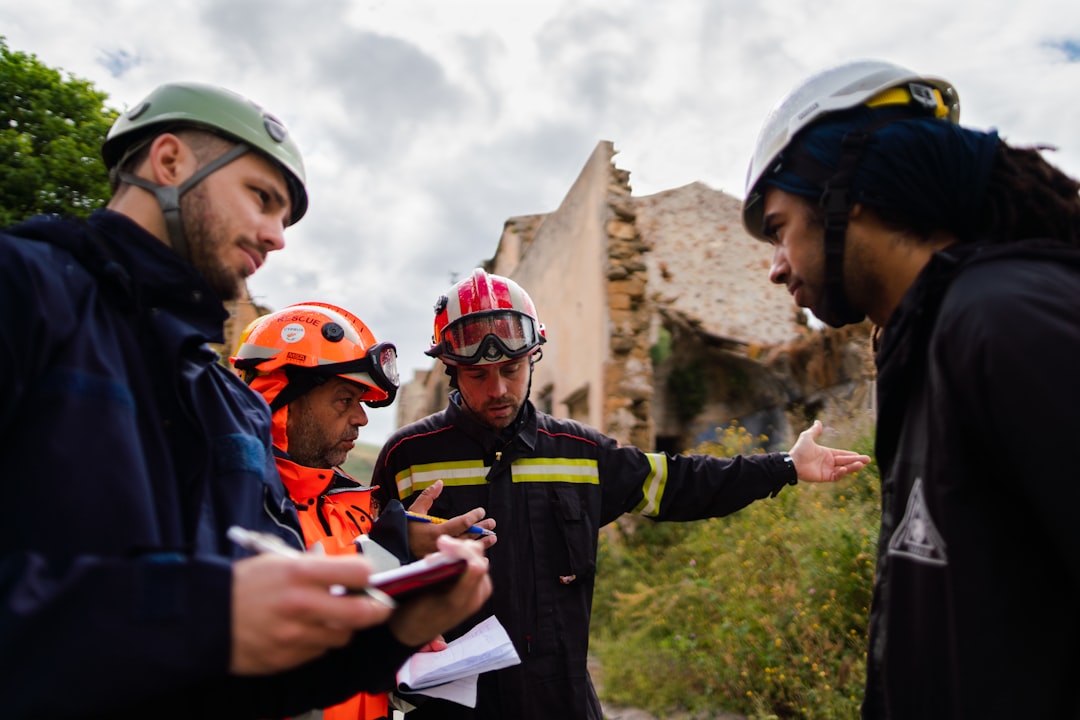
What skills are necessary for researchers focusing on geoengineering?
Researchers focusing on geoengineering should have various skills. These include climate modeling, knowledge of environmental ethics, and an understanding of governance frameworks. This multifaceted skill set is essential for addressing the complexities of geoengineering technologies.
You may also like
 News
NewsAnup Bagchi Takes Charge as HDFC Bank MD & CEO
Anup Bagchi, with over three decades in financial services, is set to lead HDFC Bank starting October 27, 2026, following the retirement of Sashidhar Jagdishan.
Read More →