Asia’s Economic Stability at Risk from Energy Shocks
The IMF warns that Asia's reliance on energy imports makes it vulnerable to geopolitical tensions, posing significant risks for the region's economy and energy security.
The International Monetary Fund (IMF) has issued a stark warning about Asia’s vulnerability to energy shocks. This concern arises from the region’s heavy reliance on imported oil and gas, exposing it to global market fluctuations and geopolitical tensions. According to the IMF’s Asia and the Pacific Director, Krishna Srinivasan, conflicts in oil-rich regions can severely impact energy prices and supply chains throughout Asia.
Recent events, including the ongoing conflict in the Middle East, have heightened these risks. The IMF emphasizes that countries like India, China, and Japan, which import significant amounts of energy, are particularly susceptible. The potential for supply disruptions can lead to skyrocketing prices and economic instability across the region.
As energy prices fluctuate, the effects ripple through various sectors, impacting everything from transportation costs to consumer prices. This situation creates a challenging environment for policymakers who must balance energy security with economic growth. The IMF’s warnings highlight the urgent need for countries in the region to diversify their energy sources and invest in renewable energy alternatives.
Geopolitical Tensions and Economic Consequences
The geopolitical landscape in Asia is increasingly fraught with tension, particularly due to conflicts in the Middle East. These tensions have direct implications for energy prices, which are already volatile due to supply chain disruptions caused by the pandemic and ongoing conflicts. According to MSN, the IMF’s assessment indicates that the region’s economies could face severe consequences if energy prices continue to rise.
For instance, the recent surge in oil prices has led to inflationary pressures in many Asian countries. As costs rise, consumer spending may decline, leading to slower economic growth. The IMF’s report suggests that countries must prepare for these potential shocks by enhancing their energy resilience and exploring alternative energy sources. The IMF also points out that the energy shock could exacerbate existing vulnerabilities, particularly in countries with weaker economic foundations, such as those heavily reliant on energy imports.
As costs rise, consumer spending may decline, leading to slower economic growth.
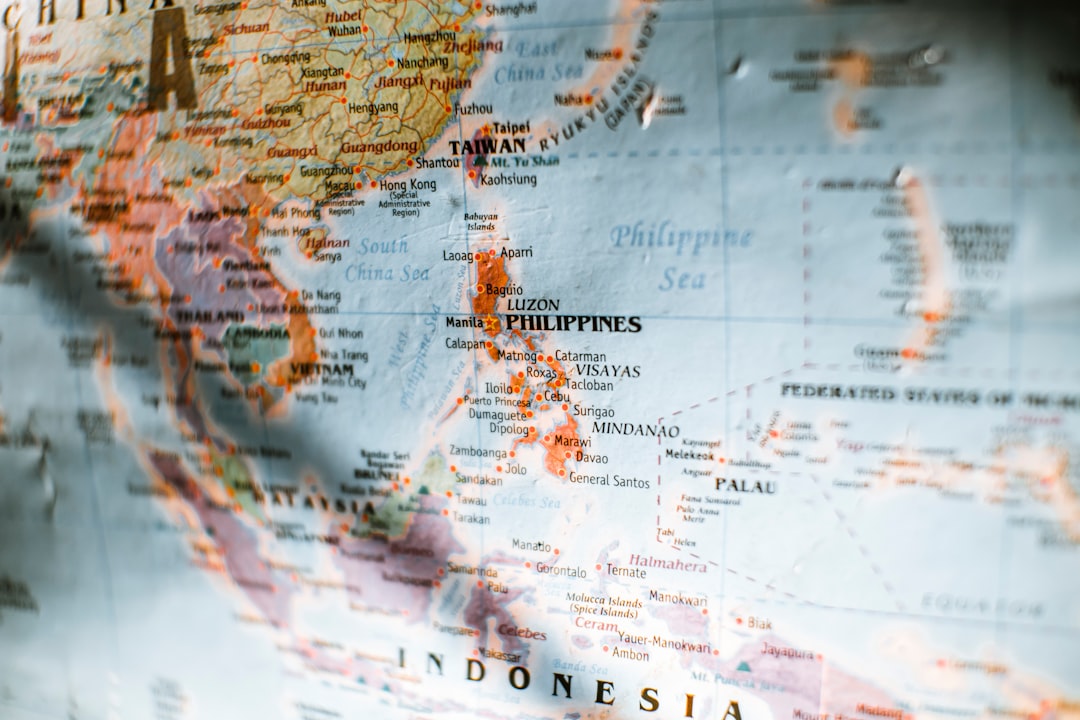
Furthermore, the economic ramifications extend beyond immediate price increases. Prolonged energy shocks can lead to job losses in energy-dependent sectors and increased poverty rates. Policymakers are faced with the challenge of implementing strategies that not only mitigate these risks but also promote sustainable economic growth. The IMF’s analysis highlights that countries like Indonesia and the Philippines, which have significant energy import dependencies, are particularly at risk of economic destabilization due to these shocks.
Transitioning to Renewable Energy
In light of the IMF’s warnings, there is a growing recognition of the need for a transition to renewable energy sources. Countries across Asia are beginning to invest more in solar, wind, and hydroelectric power as a way to reduce their dependence on imported fossil fuels. According to Straits Times, the shift towards renewables is not just an environmental imperative but also an economic necessity.
Investing in renewable energy can enhance energy security and create jobs in new sectors. For example, the solar energy sector has seen significant growth in countries like India and China, where government policies support clean energy initiatives. This transition can help stabilize energy prices and reduce vulnerability to external shocks. However, the transition to renewable energy requires careful planning and investment. Governments must address infrastructure challenges and ensure that the workforce is equipped with the necessary skills to thrive in a green economy. The IMF’s report underscores the importance of this transition in building a more resilient economic future for Asia.
Moreover, the IMF emphasizes that regional cooperation will be crucial in addressing energy vulnerabilities. Collaborative efforts among Asian countries can lead to shared solutions and better resource management. For instance, joint investments in energy infrastructure and technology can enhance energy security across borders. The IMF’s insights highlight the importance of proactive measures to prepare for potential energy shocks.
Strategies for Regional Cooperation
Policymakers are encouraged to develop comprehensive energy strategies that include diversification of energy sources, investment in renewables, and emergency response plans. The IMF’s insights highlight the importance of proactive measures to prepare for potential energy shocks. As countries work together, they can also learn from each other’s experiences and best practices. This cooperation can lead to more robust energy policies that not only address current vulnerabilities but also anticipate future challenges.
In addition, the IMF’s report suggests that countries should consider creating regional energy reserves to buffer against supply disruptions. Such reserves could provide a safety net during crises, allowing countries to stabilize their economies in the face of sudden price spikes. The report also calls for enhanced data sharing among nations to better predict and respond to energy market fluctuations.
Governments must address infrastructure challenges and ensure that the workforce is equipped with the necessary skills to thrive in a green economy.
The implications of Asia’s energy vulnerabilities extend beyond policymakers and economists. Consumers may face higher energy costs, affecting household budgets and spending habits. Understanding these dynamics can help individuals prepare for potential changes in the economy.
Future Prospects for Energy Stability
The future of Asia’s energy landscape remains uncertain. As geopolitical tensions continue to evolve, the region must adapt to maintain economic stability. The IMF’s warnings serve as a critical reminder of the need for ongoing vigilance and proactive measures to mitigate risks.
Will Asia’s countries succeed in diversifying their energy sources and reducing vulnerabilities? The coming years will be crucial in determining whether the region can navigate these challenges effectively and secure a stable energy future. The IMF’s analysis indicates that the path forward will require not only investment in renewables but also a commitment to regional collaboration and innovative policy solutions to foster a resilient energy ecosystem.
Written by Career Ahead AI. AI can make mistakes, so verify key facts. Report errors to support@careeraheadonline.com.
Career Ahead AI is Career Ahead Magazine's in-house AI newsroom, reporting on careers, education, jobs and business. It produces original summaries and analysis drawn from publicly available sources, with those sources credited, and operates under the editorial oversight of the Career Ahead team. AI can make mistakes, so please tell us when something looks wrong. Corrections, copyright or takedown requests…


Government & Policy
 Government & Policy