
Frankfurt, Germany — Euro-zone banks have unexpectedly tightened their credit standards for businesses at the end of 2025. This shift raises significant concerns about future investments and economic activity in the region. The tightening comes just as the European Central Bank (ECB) prepares to set interest rates this week, making the timing particularly critical for businesses seeking financing.
According to a report from Bloomberg, the tightening of credit standards indicates a growing caution among banks. They are increasingly wary of the economic outlook and potential risks associated with lending. This is a stark contrast to previous months when banks were more willing to extend credit to firms, reflecting a shift in sentiment.
The ECB’s upcoming interest rate decision could further impact how banks approach lending. If the ECB decides to raise rates, it may lead to even tighter credit conditions. This could hinder businesses’ ability to invest and grow, particularly in a time when economic recovery is still fragile.
Why Euro-Zone Banks Are Tightening Credit Standards
Several factors contribute to this tightening of credit standards. First, there are growing concerns about inflation and its potential impact on economic growth. According to data from the BBC, inflation rates have remained stubbornly high, leading to uncertainty about consumer spending and business investment.
First, there are growing concerns about inflation and its potential impact on economic growth.
Additionally, geopolitical tensions in Europe, particularly related to energy supplies, have made banks more cautious. The ongoing war in Ukraine and its ramifications on energy prices create an unpredictable environment for businesses. As a result, banks are reassessing their risk exposure and tightening lending criteria to mitigate potential losses.
Moreover, the recent economic data suggests a slowdown in growth across the euro zone. Reports indicate that manufacturing and service sectors are struggling to maintain momentum. This economic backdrop has prompted banks to tighten their standards to ensure they are lending to financially stable firms.
 Government & Policy
UK Chancellor Healey Faces Budget Test Amid Economic Pressures
UK growth has beaten forecasts, while inflation and defence costs add pressure to public spending plans.
Read More →As the ECB prepares for its decision, the tightening of credit standards could lead to a ripple effect in the economy. Companies may find it harder to secure loans, which could stifle investment and slow down recovery efforts.
How This Affects Business Financing in the Euro Zone
The tightening of credit standards directly impacts businesses looking to finance their operations or expand. Companies may face increased scrutiny when applying for loans, leading to longer approval times and potentially higher costs. According to analysis from TradingView, businesses should prepare for a more challenging financing environment.
Small and medium-sized enterprises (SMEs) are likely to feel the pinch the most. These firms often rely on bank loans for their day-to-day operations and growth initiatives. With banks tightening their lending criteria, SMEs may struggle to access the capital they need to thrive.
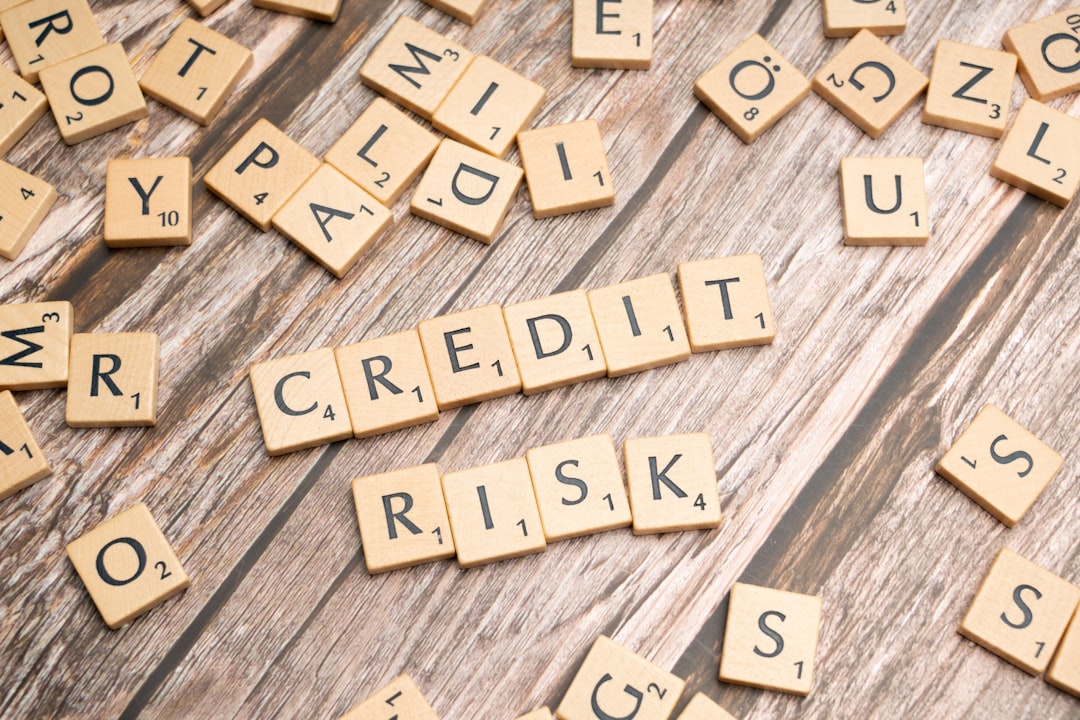
To navigate this challenging landscape, businesses can take several actionable steps:
According to analysis from TradingView, businesses should prepare for a more challenging financing environment.
- Assess Financial Health: Companies should conduct a thorough review of their financial situation. Understanding cash flow, debt levels, and overall financial health will help in discussions with banks.
- Explore Alternative Financing: Businesses might consider alternative financing options, such as private equity or crowdfunding, to diversify their funding sources.
- Build Strong Relationships with Banks: Establishing good relationships with banking institutions can improve the chances of securing loans, even in tighter credit conditions.
- Stay Informed: Keeping abreast of economic indicators and central bank decisions will help businesses anticipate changes in the lending landscape.
However, some experts caution that this tightening trend may not be sustainable in the long term. According to a recent analysis by Financial News, while banks are currently cautious, they may need to loosen credit standards if economic conditions improve. This suggests that businesses should remain vigilant and adaptable in their financing strategies.
The Future of Lending in the Euro Zone
Looking ahead, the future of lending in the euro zone remains uncertain. If inflation continues to rise, banks may maintain or even tighten credit standards further. Conversely, if the ECB’s policies stabilize the economy, we might see a gradual easing of credit conditions.
 Government & Policy
UK Billionaires Leaving for Monaco Amid Wealth Tax Concerns
Concerns about new wealth taxes in the UK are driving billionaires to move to Monaco, highlighting a broader trend of wealthy individuals seeking tax-friendly jurisdictions…
Read More →For businesses, the key will be to remain agile and responsive to changing conditions. The ability to pivot quickly in response to market shifts will be crucial for survival and growth in this evolving landscape. As the euro zone navigates these challenges, how will businesses adapt to ensure they secure the funding they need to thrive?
Written by Career Ahead AI. AI can make mistakes, so verify key facts. Report errors to support@careeraheadonline.com.