No products in the cart.

Australia’s Social Media Restrictions: A Divisive Debate
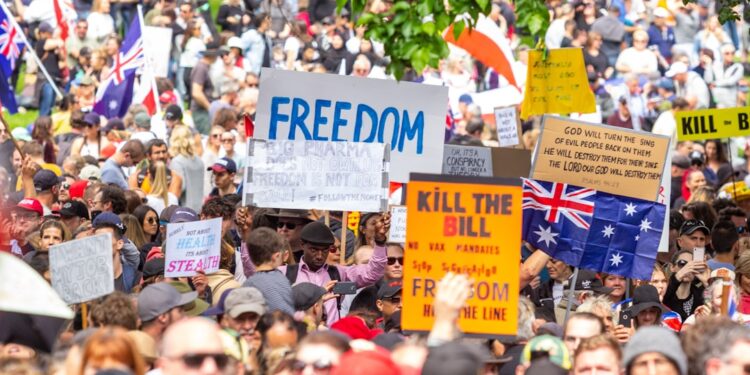
Australia's new social media regulations spark debate over safety vs. free speech. Supporters advocate for public health, while critics warn of censorship risks.


“`html
The Clash of Perspectives: navigating Social Media regulations
When the Australian government introduced new social media rules this year, the digital landscape changed rapidly. The legislation aims to reduce harmful content, require quick removal of misinformation, and impose heavy penalties on non-compliant platforms. Supporters see it as a way to protect public health and democracy. They argue that unchecked algorithms harm mental well-being and spread false narratives faster than fact-checkers can respond. They believe government intervention restores balance by holding platforms accountable for their content.
Critics, however, have a different view. Civil liberties advocates warn that the rules are too broad, giving regulators the power to silence dissenting voices. They fear that “harm” could be defined in a biased way, turning the internet into an echo chamber. For many Australians, the internet is essential for their careers—journalists, content creators, marketers, and freelancers rely on open platforms. The risk of content removal or account throttling without clear appeal processes threatens their livelihoods.
Public opinion reflects this divide. Some welcome measures that promise safer online spaces for children and older users, while others worry that safety may come at the cost of free expression. This tension mirrors a global debate on balancing protection with free speech in an era dominated by private tech companies.
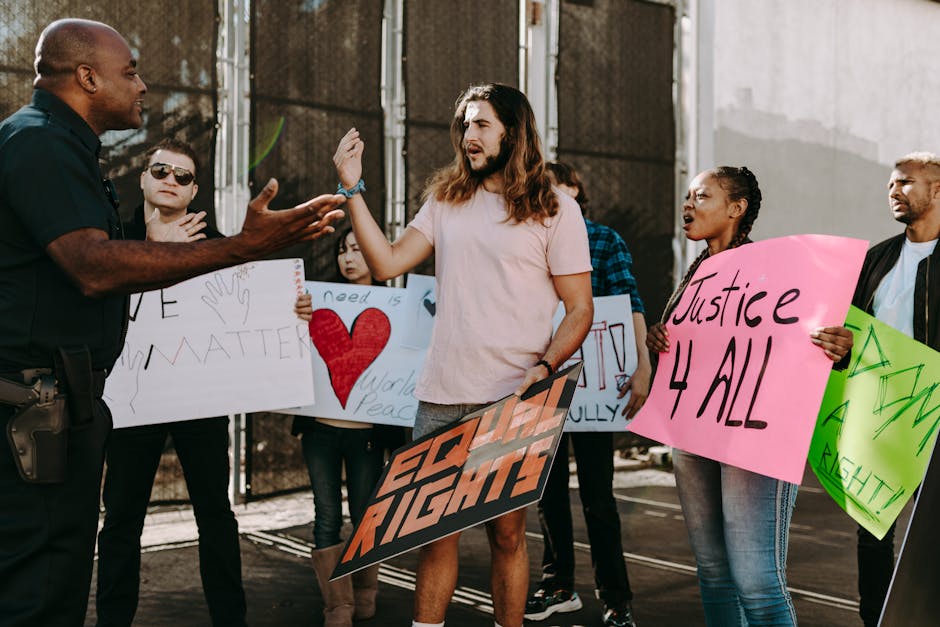
They worry that the regulations will stifle critical debate essential for a healthy democracy.
Voices from the Frontlines: Advocates and Opponents Speak Out
In Parliament, supporters of the crackdown highlight urgent data. They cite rising anxiety among teens, increases in online hate crimes, and the rapid spread of election-related misinformation as reasons for immediate action. Their narrative includes high-profile incidents where viral misinformation caused real-world panic and harassment campaigns targeted vulnerable groups. For these policymakers, the legislation serves as a protective measure, pushing platforms to act before harm escalates.
Opposition comes from legal scholars, digital rights NGOs, and ordinary users who have faced the negative effects of strict moderation. They argue that vague terms like “harmful” and “misinformation” create a chilling effect. Content creators report that algorithms, now designed to avoid penalties, often over-remove content, including legitimate commentary and satire. They worry that the regulations will stifle critical debate essential for a healthy democracy.
You may also like
 AI & Technology
Data‑Driven Raise Negotiations Redefine Career Capital
Aiming for a 6%–17% increase positions the request well above the 3.1% average merit increase.
Read More →Industry insiders point out a practical issue: compliance costs. Small businesses that rely on social media for outreach now need legal teams and compliance officers they can’t afford. This creates a market where only well-funded companies can navigate the regulations, while emerging voices risk being silenced. This disparity raises questions about equity in the digital economy and whether the law, meant to protect, may widen the gap between established brands and grassroots creators.

The Future of Online Discourse: What Lies Ahead for Australia?
Looking ahead, the future of Australia’s online space depends on how the rules are enforced and adjusted. One possibility is a framework where independent bodies oversee platform decisions, allowing users to appeal content removals. This could restore confidence and balance safety with a vibrant marketplace of ideas.
Another scenario warns of escalating regulations. If the current measures are too strict, advocacy groups may challenge them in court, claiming they violate constitutional rights. Lengthy legal battles could delay enforcement, leaving platforms uncertain and stifling innovation. Tech companies might respond by limiting features for Australian users or relocating services, as seen in other countries with strict content rules.
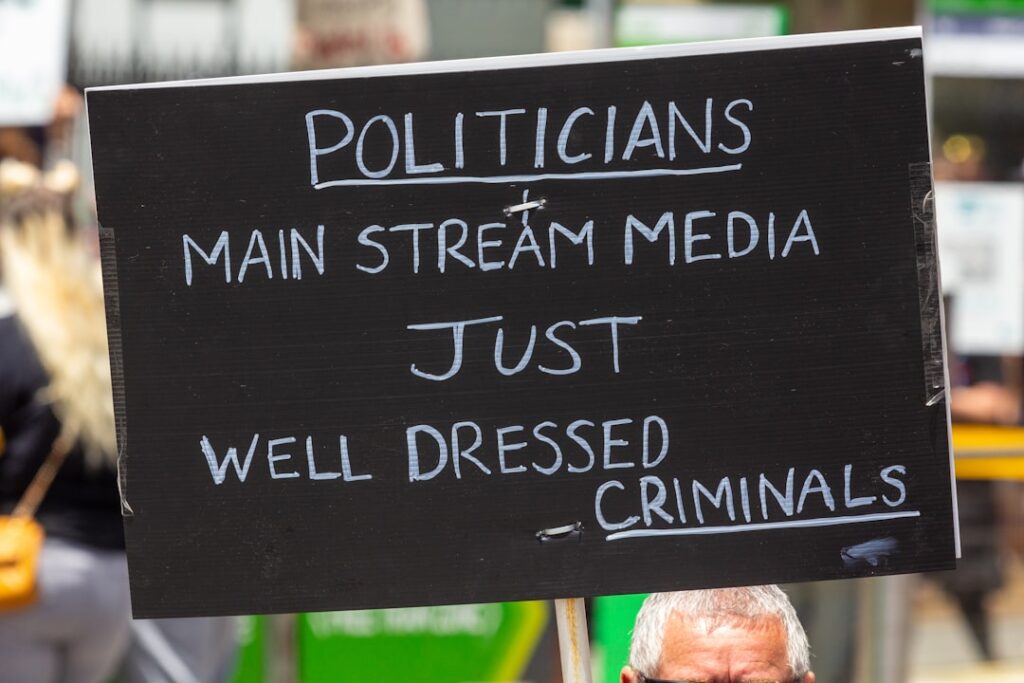
For professionals reliant on digital platforms, the stakes are high. Journalists must adapt to new editorial checks, marketers need to redesign campaigns to avoid penalties, and influencers risk losing income for “borderline” content. This changing legal environment is driving a demand for upskilling—digital compliance courses, legal literacy workshops, and collaborations between technologists and ethicists are becoming vital.
This changing legal environment is driving a demand for upskilling—digital compliance courses, legal literacy workshops, and collaborations between technologists and ethicists are becoming vital.
Internationally, Australia’s approach is under scrutiny. Other countries are watching to see if this model balances safety and free speech or serves as a warning against overreach. The outcome will influence how democracies worldwide address the challenges of an internet that is both a public good and a private monopoly.
What remains clear is that the debate is ongoing. As platforms refine their moderation algorithms and lawmakers reconsider the laws, Australians will continue to explore the limits of expression—whether through memes that spark discussions or petitions for legislative change. The nation is at a crossroads, where the next legislative change could either enhance a civil digital space or set a precedent that limits dissent.
You may also like
 AI & Technology
This startup is issuing AI-generated acne prescriptions
Nolla Health's AI system analyzes acne severity and autonomously writes prescriptions for treatments. This pilot program costs $4.99 per month and is available to Utah…
Read More →In the coming months, the true measure of Australia’s social media reforms will be less about how many posts are removed and more about whether the public can still express themselves, create, and earn online without fear.
“`