AV companies are adapting their strategies to navigate regulatory changes and enhance growth. Partnerships are becoming essential for technological advancement and market entry, while regulatory frameworks are evolving to support innovation and safety.
California, United States — Autonomous vehicle (AV) companies are changing their strategies to grow and meet regulations. Waymo is expanding its robotaxi services, while Wayve and Aurora are forming new partnerships. These changes are important as the AV industry moves closer to commercialization and will affect job opportunities for engineers and transportation policy analysts.
Recent announcements from AV companies show a clear trend toward partnerships and focused efforts in key markets. For example, Wayve has partnered with Mercedes-Benz to integrate its automated driving technology into new vehicle models. This collaboration aims to create a Level 2 product that requires human oversight for certain driving tasks. These partnerships not only increase Wayve’s reach but also set the stage for fully driverless products in the future. According to TechCrunch, collaboration is becoming essential for AV companies to leverage the resources of traditional car manufacturers to accelerate their technology and market entry.
Strategic Alliances Fueling Growth
Wayve’s partnership with Nissan and Uber to launch a robotaxi service in Tokyo exemplifies the industry’s shift toward alliances. By utilizing the strengths of established car companies, Wayve can expedite its technology deployment and market entry. This trend indicates how AV companies are positioning themselves to compete in a crowded market. Combining Wayve’s technology with Nissan’s production capabilities is expected to improve efficiency and reduce the time needed to launch new AV products.
Similarly, Aurora is focusing on developing self-driving trucks, aiming to scale operations significantly. The company plans to have over 30,000 driverless trucks by 2030. To achieve this, Aurora is seeking numerous partnerships, which are vital for its growth. CEO Chris Urmson is optimistic about scaling operations and emphasizes the need for collaboration to overcome technological and regulatory challenges. Aurora’s recent partnerships with logistics companies will help test and deploy their autonomous trucks in real-world settings. These partnerships involve not just technology sharing but also co-developing infrastructure like dedicated lanes and charging stations.
Career Ahead’s analysis indicates that these partnerships enhance technology and create new job opportunities for engineers in AV technology. As companies like Wayve and Aurora grow, the demand for skilled professionals will increase. These professionals must navigate the complexities of AV development and deployment. The focus on collaboration is also changing the skills needed in the industry, with a growing need for software engineers skilled in machine learning and data analytics, which are crucial for optimizing AV systems.
India's IT sector is undergoing significant changes in its bench policies, impacting job security and project allocation for IT professionals. Major firms are tightening their…
The focus on collaboration is also changing the skills needed in the industry, with a growing need for software engineers skilled in machine learning and data analytics, which are crucial for optimizing AV systems.
Regulatory Changes Shaping Industry Dynamics
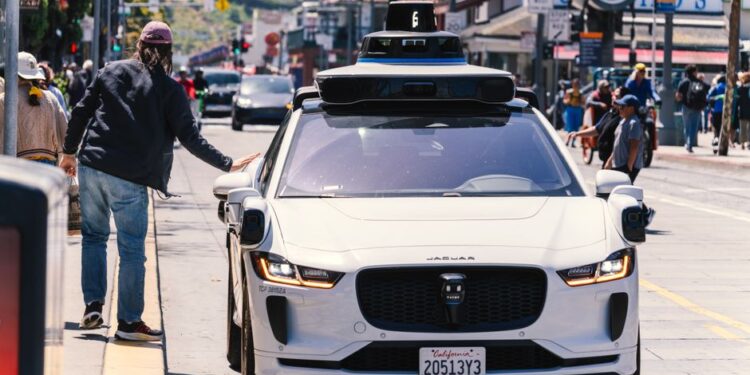
As AV companies navigate regulations, policy changes are shaping their strategies. Waymo’s recent expansion is closely linked to regulatory approvals, especially in California and Texas, where most of its robotaxi fleet operates. The company’s fleet in Texas grew by 49% in a short time, highlighting the importance of favorable regulations for market growth. The evolving regulatory framework supports technological advancements while prioritizing safety, which is vital for public acceptance of AV technology.
Moreover, the regulatory landscape is adapting to keep pace with rapid advancements in AV technology. Policymakers are recognizing the need to balance innovation with safety, leading to more nuanced regulations. This shift is essential for creating a supportive environment for AV companies while ensuring public safety. The TechCrunch Mobility report notes that local governments are experimenting with different regulations to find the right balance that encourages innovation while addressing public concerns.
Career Ahead research indicates that transportation policy analysts must closely monitor these regulatory changes, as they will significantly impact the future of AV deployment. Analysts who can adapt to these evolving regulations will be better positioned to guide AV companies in their strategic decisions. Competition among AV companies is growing, with firms like Waymo, Wayve, and Aurora vying for technological leadership, regulatory compliance, and public acceptance. This multifaceted competition will shape the future of the AV industry and influence job opportunities for engineers and policy analysts.
Future Implications for Transportation
As the AV sector evolves, the relationship between market competition and regulatory frameworks will be critical. Companies that navigate these dynamics well will likely lead the industry, while those that struggle may face challenges. Ultimately, the future of autonomous vehicles depends on how well companies adapt to changing market conditions and regulations. As AV technology becomes more integrated into daily life, the demand for skilled professionals in this field will continue to grow.
As AV companies refine their strategies, the question remains: how will these developments reshape transportation in the coming years? With growing competition and changing regulations, the next few years may bring significant shifts in how autonomous vehicles are viewed and used.
Neelkanth Mishra, World Bank Group Executive Director, discusses the challenges posed by rising fuel costs and tightening financial conditions on global economies, particularly India.
Career Ahead research indicates that transportation policy analysts must closely monitor these regulatory changes, as they will significantly impact the future of AV deployment.
Frequently Asked Questions
What skills should autonomous vehicle engineers develop to stay relevant?
Engineers in the autonomous vehicle sector should focus on machine learning, data analysis, and vehicle systems integration. As companies like Waymo and Aurora grow, these skills will be crucial for adapting to new technologies.
How will changes in AV company strategies affect transportation policy analysts?
Transportation policy analysts must stay updated on AV companies’ changing strategies, as these will influence regulations and public policy. Analysts who anticipate these trends will be better equipped to guide effective policy development.
What should transportation policy analysts consider when evaluating AV regulations?
Policy analysts should balance fostering innovation with ensuring public safety when evaluating AV regulations. Understanding technological advancements and their implications is key to developing effective regulatory frameworks.



Industry & Global Trends
 Industry & Global Trends