No products in the cart.

Ayurveda Takes Center Stage: Integrating Ancient Wisdom into Modern Education
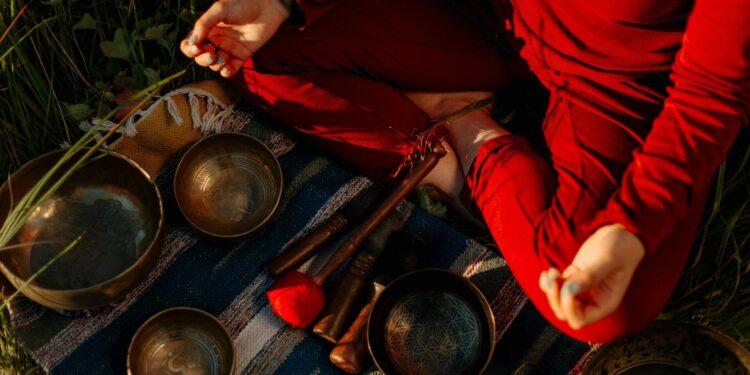
Ayurveda is set to become a vital part of health education in India, connecting youth with holistic health principles.

Indore, India — In a significant shift towards holistic health education, the National Council of educational Research and Training (NCERT) and the University Grants Commission (UGC) are collaborating to weave Ayurveda into the fabric of school and college curricula. This initiative, championed by Ayush Minister Prataprao Jadhav, is not merely an academic endeavor; it is a quest to reconnect young minds with the principles of a time-honored system of medicine that has been practiced for thousands of years.
As the world increasingly turns to ancient wisdom for modern solutions, the integration of Ayurveda into educational frameworks comes at a pivotal moment. In states like Goa, Madhya Pradesh, Uttarakhand, and Uttar Pradesh, local governments have already begun to incorporate Indian knowledge systems into their educational strategies. Jadhav emphasizes that this movement is about more than just education; it is about fostering a culture of wellness and evidence-based health practices among the youth.
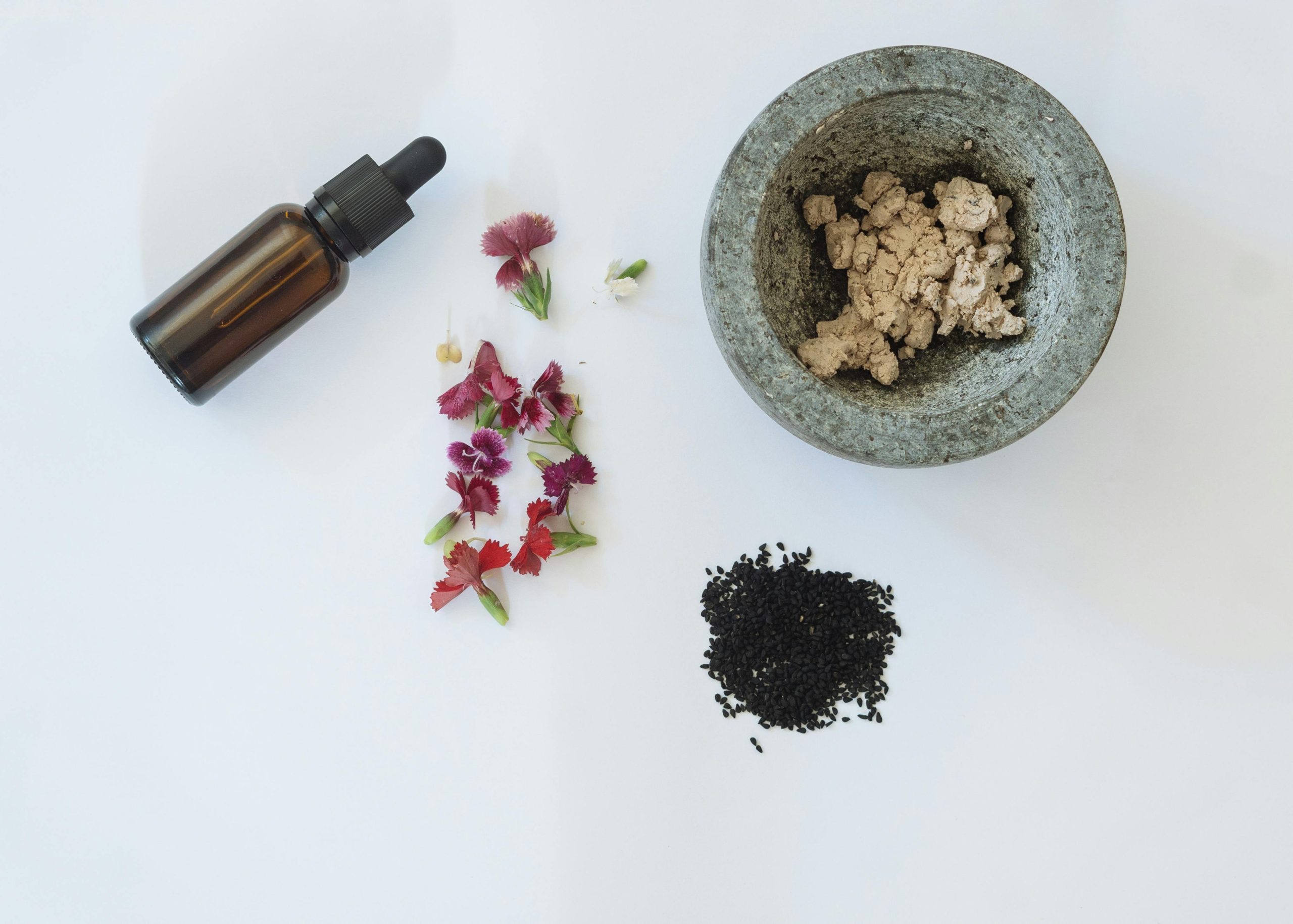
The initiative aims to lay the groundwork for a holistic approach to health, one that encompasses not only the physical but also the mental and spiritual dimensions of well-being. By incorporating Ayurveda into the health education curriculum, the NCERT and UGC are advocating for a shift towards an integrated healthcare model that harmonizes allopathy with traditional practices.
At the heart of this endeavor is a commitment to evidence-based research, which seeks to enhance the credibility of Ayurvedic treatments in the eyes of skeptics. The Ayush Ministry is poised to play a critical role in this transformation, ensuring that Ayurvedic practices are backed by rigorous scientific inquiry. This is essential in an era where mistrust in alternative medicine can be prevalent, often overshadowing its potential benefits.
The initiative aims to lay the groundwork for a holistic approach to health, one that encompasses not only the physical but also the mental and spiritual dimensions of well-being.
The vision is ambitious: to create a generation of health professionals who are as comfortable prescribing Ayurvedic remedies as they are with conventional treatments. This holistic education approach could lead to a new wave of healthcare practitioners who are equipped to address the complexities of modern health challenges.
However, integrating Ayurveda into mainstream education is not without its challenges. Critics argue that the scientific basis of Ayurvedic practices needs more robust validation, and there are concerns about diluting the essence of Ayurveda for the sake of academic acceptance. Balancing tradition with modern scientific rigor will be crucial, as the education system navigates the delicate path between ancient wisdom and contemporary practices.
The voices of students and educators alike will be vital in shaping this integration. Many young people express a desire for a more comprehensive understanding of health that includes alternative systems. For instance, a group of students in Madhya Pradesh recently conducted a project on the benefits of Ayurvedic herbs, showcasing a growing interest in blending traditional knowledge with modern scientific inquiry.
As the initiative unfolds, the success of this integration will largely depend on how effectively it resonates with the youth. The challenge will be to engage students not just through textbooks but by making Ayurveda relevant to their lives through practical applications. Workshops, internships, and community health programs could provide hands-on experiences that illuminate the real-world benefits of this ancient system.
You may also like
 Industry & Global Trends
Etched fields funding offers at $40B+ valuation, sources say
Etched Fields is in talks for funding offers valuing the company at over $40 billion, reflecting a significant shift in the funding landscape for AI…
Read More →Balancing tradition with modern scientific rigor will be crucial, as the education system navigates the delicate path between ancient wisdom and contemporary practices.
Looking ahead, the integration of Ayurveda into health education could revolutionize how future generations approach wellness and healthcare. If successful, it could pave the way for a more inclusive healthcare system that values diverse medical traditions. As we stand on the cusp of this educational transformation, one can only hope that this initiative will inspire a new era of health professionals who carry forward the wisdom of Ayurveda into the future of global health.