No products in the cart.

Azerbaijan’s Energy Landscape Transformed
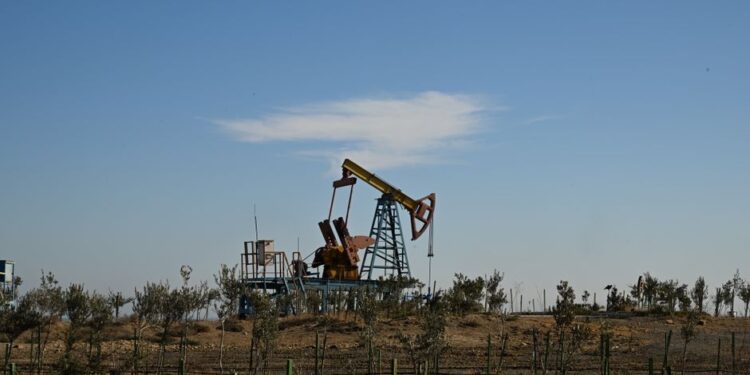
ExxonMobil's recent deal to explore shale resources in Azerbaijan's Middle Kura Basin marks a significant move in the global energy landscape, promising economic growth and job creation while emphasizing sustainable practices.

Azerbaijan — ExxonMobil has signed an important agreement to explore shale resources in the Middle Kura Basin. This deal, finalized on September 26, 2026, is a key step for the oil giant. It aims to expand operations beyond traditional markets. The partnership with Azerbaijan’s state oil company, SOCAR, will tap into the country’s shale oil and gas reserves. This is expected to boost energy production in the region.
The Middle Kura Basin is known for its potential in unconventional oil and gas extraction. ExxonMobil’s entry into this market shows a strategic investment. It also highlights the company’s commitment to using advanced fracking technologies in new areas. This move could change the energy landscape in Azerbaijan and create new job opportunities for oil and gas engineers.
Impact on Shale Extraction Techniques in Azerbaijan
ExxonMobil’s expertise in hydraulic fracturing, or fracking, is likely to impact shale extraction techniques in Azerbaijan. The company plans to use state-of-the-art technologies that have worked well in other shale regions, like the Permian Basin in the United States. This includes advanced drilling methods and enhanced oil recovery techniques to optimize production rates and lower costs.
Career Ahead’s analysis shows that these technologies will need a skilled workforce familiar with modern extraction methods. As ExxonMobil starts its operations, the demand for engineers skilled in these advanced techniques will likely increase. This shift highlights the need for technical skills and understanding of the regulatory and environmental frameworks for shale extraction in Azerbaijan.
Moreover, the collaboration with SOCAR will likely help transfer knowledge between the two companies. This will enhance local expertise in shale extraction. The partnership could lead to training programs aimed at equipping local engineers with the necessary skills for this evolving sector. As a result, Azerbaijan may see a new generation of oil and gas professionals ready to tackle the challenges of shale production.
Additionally, the environmental implications of shale extraction are important. ExxonMobil’s commitment to sustainable practices will be crucial in addressing concerns about water usage and land disruption. By focusing on environmentally responsible techniques, the company can set a standard for future shale operations in the region. A report from S&P Global highlights that ExxonMobil’s innovative approaches could lead to better resource management, balancing economic growth with environmental care.
A report from S&P Global highlights that ExxonMobil’s innovative approaches could lead to better resource management, balancing economic growth with environmental care.
In summary, the impact of Exxon’s shale deal in Azerbaijan goes beyond immediate economic benefits. It offers a transformative opportunity for local engineers to engage with cutting-edge technologies and practices. These could redefine the energy sector in the region. As the country seeks to modernize its energy infrastructure, integrating advanced extraction techniques will be key to ensuring sustainable development.
Potential Job Creation in the Energy Sector
The partnership between ExxonMobil and SOCAR is set to create many job opportunities in Azerbaijan’s energy sector. As operations increase, the need for skilled labor, especially in engineering roles, will rise. Career Ahead research finds that investment in shale resources could create thousands of jobs, from engineering positions to support roles in logistics and project management.
Additionally, the deal is expected to boost local economies. New projects often require a wide range of services, including construction, transportation, and maintenance. This economic growth will benefit direct employees and local businesses supplying goods and services for the expanding operations. As a result, the overall employment landscape in Azerbaijan’s energy sector could see significant growth.
Moreover, the demand for engineers with expertise in shale technology will likely lead to competitive salaries and benefits. Engineers specializing in fracking and unconventional resource extraction may see their market value rise as companies compete for top talent. This trend aligns with global patterns in the oil and gas industry, where specialized skills are increasingly rewarded. A report from World Energy News suggests that this competitive environment may encourage further investment in training and development programs, ensuring local talent is prepared for the industry’s evolving demands.
Furthermore, new job opportunities may attract professionals from neighboring countries. This could enhance regional collaboration in the energy sector. As Azerbaijan positions itself as a key player in shale production, it could become a hub for oil and gas expertise in the Caucasus region. This influx of skilled workers could foster a vibrant community of professionals dedicated to advancing the energy sector in Azerbaijan, contributing to the country’s economic resilience.
This influx of skilled workers could foster a vibrant community of professionals dedicated to advancing the energy sector in Azerbaijan, contributing to the country’s economic resilience.
In essence, Exxon’s investment in Azerbaijan signifies a commitment to resource exploration and a catalyst for job creation and economic development. The long-term implications of this deal could impact labor markets and economic policies for years to come.
Exxon’s expansion into Azerbaijan’s shale market has broader implications for global energy markets. The deal signals a shift in investment trends towards emerging markets, especially in regions rich in unconventional resources. As countries like Azerbaijan leverage their shale potential, they could play a more significant role in meeting global energy demands.
Career Ahead analysis shows that this movement towards shale resources in Azerbaijan may encourage other energy companies to explore similar opportunities in the region. This could lead to increased competition and innovation in the energy sector, ultimately benefiting consumers through improved energy security and potentially lower prices.
Additionally, as Azerbaijan increases its production capacity, it may reduce its dependence on traditional oil exports. This could diversify its economic base and enhance resilience to global oil price fluctuations, creating a more stable economic environment for both the government and its citizens.
Moreover, the partnership between ExxonMobil and SOCAR may attract further foreign investments. Other companies may seek to capitalize on the opportunities presented by Azerbaijan’s shale resources. This influx of capital could speed up infrastructure development and technological advancements, positioning Azerbaijan as a key player in the global energy landscape.
In conclusion, Exxon’s deal with Azerbaijan represents not just a corporate investment but a transformative moment for the global energy market. The potential for increased production and innovation in shale extraction could reshape energy supply and demand dynamics in the coming years.
Frequently Asked Questions What skills are needed for engineers working in Azerbaijan’s shale industry?
Frequently Asked Questions
What skills are needed for engineers working in Azerbaijan’s shale industry?
Engineers in Azerbaijan’s shale industry will need expertise in hydraulic fracturing and enhanced oil recovery techniques. They must also understand local regulations and environmental standards for success.
How will Exxon’s deal affect energy policy in the region?
Exxon’s investment may prompt local governments to update energy policies. This could accommodate new technologies and practices in shale extraction, leading to more favorable regulatory environments for foreign investments.
What should oil and gas engineers know about working in international markets?
Oil and gas engineers should understand cultural, regulatory, and operational differences in international markets. Experience with global projects and adaptability to various working conditions will be crucial for success.
Related Articles
- Ashok Leyland’s Revenue Surge Transforms Automotive Jobs
Written by Career Ahead AI. AI can make mistakes, so verify key facts. Report errors to support@careeraheadonline.com.