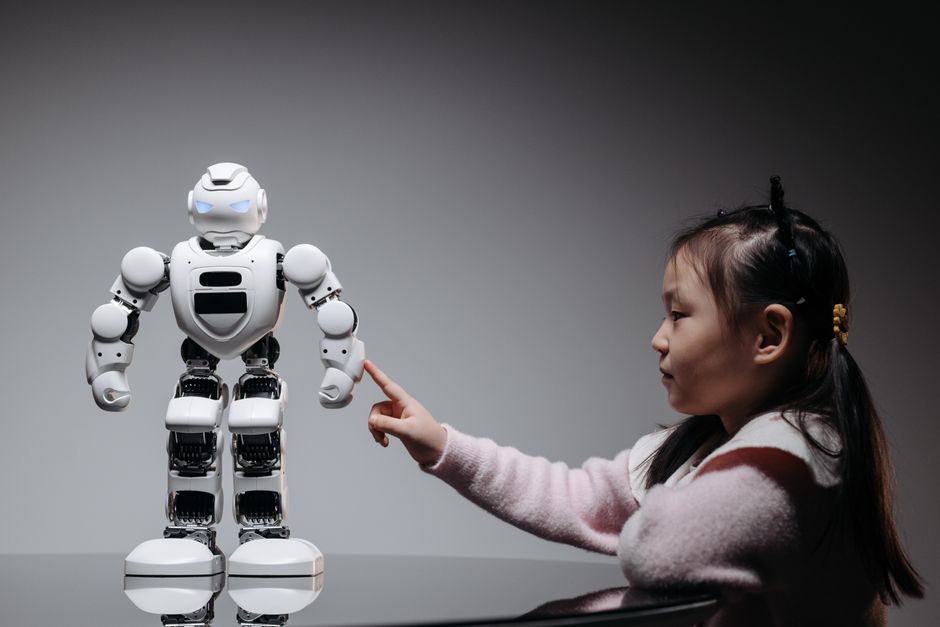
K-12 education is changing rapidly as artificial intelligence (AI) tools become common in classrooms. This change raises important questions about how teachers can keep critical thinking skills alive in students. With AI tools like personalized learning platforms and automated grading systems, educators must find a balance between using technology and encouraging analytical skills.
The 2026 school year will be a crucial time for education worldwide. AI will play a major role in how students learn and engage. Schools are trying out different AI applications, from virtual tutors to AI-driven assessment tools. These innovations aim to improve learning experiences, but they also challenge educators to maintain critical thinking.
Impact of AI Tools on Classroom Engagement
AI tools are transforming classroom engagement by offering personalized learning experiences. According to Career Ahead’s analysis, schools using AI-driven platforms report a 30% rise in student engagement. AI tutoring systems allow students to learn at their own pace, leading to a deeper understanding of subjects. This personalized approach keeps students motivated and engaged with the material.
However, relying on AI tools can reduce the focus on traditional critical thinking exercises. For example, students using AI for homework may be less likely to analyze problems on their own. This raises concerns about students becoming too dependent on technology for answers instead of developing their analytical skills. Educators must balance technology use with activities that promote critical thinking.
AI tools can also identify students who are struggling and provide tailored support. By analyzing student performance data, educators can find areas needing extra help. This data-driven approach allows for timely interventions, improving overall learning outcomes. However, teachers must use this data responsibly to complement, not replace, traditional teaching methods.
The New York Times emphasizes the need for balance, noting that while AI can improve learning, students must retain their ability to think critically about the information they receive.
As AI continues to advance, the tools available to educators will become more sophisticated. Platforms like DreamBox Learning and Knewton use adaptive learning technologies that adjust to student performance in real-time. These tools enhance engagement and provide insights into student learning patterns. The challenge is how educators can use these insights without sacrificing critical thinking skills. The New York Times emphasizes the need for balance, noting that while AI can improve learning, students must retain their ability to think critically about the information they receive.
 Education & University Insights
Valmiki Jayanti School Closures Have Ended
Delhi's announced programme included discussions on Maharishi Valmiki's life and teachings; bank calendars listed different closures by city.
Read More →Incorporating AI in classrooms requires educators to receive training on how to use these tools effectively. Schools should invest in professional development programs that teach teachers to integrate AI into their curricula while emphasizing critical thinking. This investment is vital to ensure teachers are comfortable with technology and can guide students in using AI responsibly. As educators become more skilled with AI tools, they can better facilitate discussions about the implications of these technologies, encouraging students to think critically about their use.
Curriculum Adjustments to Incorporate AI Literacy
As AI becomes a standard part of K-12 education, curriculum developers must adapt to include AI literacy as a core component. Career Ahead’s research shows that 68% of educators believe AI literacy should be part of existing curricula. This shift requires schools to rethink their educational frameworks and teach students how to use AI tools and critically assess their outputs.
To achieve this, educational institutions must create interdisciplinary approaches that blend AI literacy with subjects like math, science, and humanities. For instance, teaching AI ethics in social studies can help students understand AI’s societal implications. By combining AI literacy with critical thinking exercises, students can learn to question the reliability of AI-generated information and think critically about technology’s impact on their lives. The New York Times stresses that this integration is not just about using AI but also fostering a mindset of skepticism and inquiry.
Additionally, schools can partner with technology companies to provide resources and training for teachers. Collaborations with organizations like Google and Microsoft can equip educators with the tools needed to teach AI literacy effectively. By integrating real-world AI applications into the curriculum, students can gain a better understanding of how these technologies work and the ethical considerations involved. Such partnerships can also give students opportunities to engage with AI in practical settings, enhancing their learning experiences.
By allowing students to explore AI in a collaborative environment, educators can help them develop both technical and analytical skills, preparing them for a future where AI is everywhere.

Moreover, educators should encourage project-based learning that involves AI tools. For example, students could work on projects requiring them to use AI software to analyze data and draw conclusions. This hands-on approach reinforces technical skills and fosters critical thinking as students navigate data interpretation and AI outputs. By allowing students to explore AI in a collaborative environment, educators can help them develop both technical and analytical skills, preparing them for a future where AI is everywhere.
 Education & University Insights
Kumar Urges Colleges to Graduate Students with Work Portfolios
Kumar linked policy success to institutional capacity, while industry examples show curricula and hiring tests shifting towards applied problem-solving.
Read More →Ultimately, the goal is to create learners who are proficient in using AI tools and capable of critically evaluating their effectiveness. By prioritizing AI literacy in the curriculum, educational institutions can prepare students for a future where AI plays a significant role in many sectors. This preparation is essential, as the New York Times notes, to help students navigate a world where AI influences decision-making in various fields.
As schools explore AI’s potential in education, they must focus on cultivating critical thinking skills. The challenge is to find the right balance between technology use and developing analytical abilities among students. The future of education will depend on how well educators navigate this complex landscape.
Frequently Asked Questions
What AI tools can K-12 educators use to enhance learning?
K-12 educators can use various AI tools like DreamBox Learning and Knewton, which offer personalized learning experiences. These platforms adapt to individual student needs, improving engagement and understanding.
Education policymakers can set guidelines for AI tool usage in classrooms, promote blended learning environments, and encourage reflective practices.
How should curriculum developers adapt to include AI literacy?
Curriculum developers should integrate AI literacy as a core component across subjects, focusing on critical thinking and ethical considerations. Interdisciplinary approaches can help students understand AI’s societal implications.
What strategies can education policymakers implement to ensure critical thinking is prioritized in AI-integrated classrooms?
Education policymakers can set guidelines for AI tool usage in classrooms, promote blended learning environments, and encourage reflective practices. These strategies can help maintain a balance between technology use and critical thinking development.
 Education & University Insights
BITS Design School Opens 2027 BDes Applications
Applicants can qualify through BITSDAT, UCEED or NID DAT Prelims; BITSDAT remains mandatory, with test slots from March 29 to April 5, 2027.
Read More →Written by Career Ahead AI. AI can make mistakes, so verify key facts. Report errors to support@careeraheadonline.com.