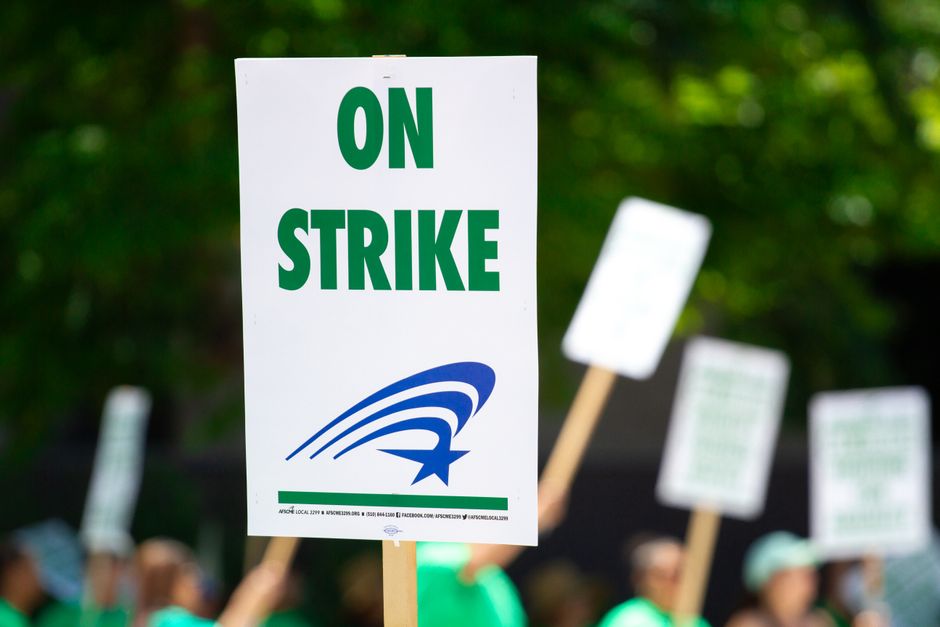
India’s banking sector experienced a significant development on September 28, 2026, when bank unions announced the postponement of a planned three-day nationwide strike. This decision came after a meeting with the Indian Banks’ Association (IBA), where key demands, including the implementation of a five-day work week, were discussed. The United Forum of Bank Unions (UFBU), which represents various bank employees, confirmed the deferral following positive negotiations. C.H. Venkatachalam, general secretary of the All India Bank Employees Association (AIBEA), stated that both parties demonstrated a willingness to engage in constructive dialogue.
Boosting Employee Morale
The decision to defer the strike is expected to have a positive impact on employee morale within the banking sector. Many employees were apprehensive about the disruptions a strike could cause, and postponing it allows them to return to work with a sense of stability and optimism for future negotiations. Reports from The Hindu highlight the importance of ongoing dialogue between unions and management in fostering a collaborative work environment.
Furthermore, the formation of a high-level committee to explore the feasibility of a five-day work week indicates a shift in management’s perspective on work-life balance. Employees are likely to monitor the committee’s progress closely, hoping their voices will be heard in the decision-making process.
Wage Negotiations and Economic Context
The deferral of the strike also has implications for wage negotiations between bank unions and the IBA. Historically, strikes have served as a powerful tool for unions to advocate for better pay and working conditions. With the strike postponed, there is an opportunity for wage discussions to take on a more collaborative tone. Data from the Economic Times indicates that the banking sector has seen increased profitability in recent years, which could support potential wage increases. However, unions must navigate the financial realities that banks face, particularly in light of recent economic challenges.
This evolving dynamic is crucial for bank employees, who should remain informed about the developments in these discussions.
As negotiations progress, both sides appear to be recognizing the necessity of compromise. This evolving dynamic is crucial for bank employees, who should remain informed about the developments in these discussions. The implications of this strike deferral extend beyond immediate wage talks; it sets a precedent for how labor relations may evolve in the banking sector, emphasizing negotiation over confrontation. This shift could influence other industries grappling with similar labor issues, promoting a more cooperative approach to conflict resolution.
Challenges Ahead for the High-Level Committee
As the newly formed high-level committee begins its work, both bank management and unions face several challenges. A primary concern is the potential backlash from employees if the committee’s recommendations do not align with their expectations. Employees will be closely observing the committee’s progress, and any perceived inaction could lead to renewed frustrations.

Moreover, the banking sector is not immune to external economic pressures that could complicate negotiations. Factors such as inflation, fluctuating interest rates, and changes in consumer behavior may impact banks’ ability to meet union demands. This reality underscores the importance of maintaining realistic expectations from both sides as they navigate these discussions.
Redefining Labor Relations in Banking
Research indicates that labor relations in the banking sector are at a pivotal juncture. The deferral of the strike presents an opportunity for both parties to redefine their relationship and establish a sustainable framework for future negotiations. Achieving this will require commitment and transparency from both management and unions. The success of the committee’s work could herald a new era of cooperation in the banking sector, setting a benchmark for labor relations across India.
As stakeholders await the committee’s findings, the future of labor relations in banking remains uncertain. The effectiveness of collaboration between unions and management will be crucial in determining whether mutually beneficial outcomes can be achieved.
The deferral of the strike presents an opportunity for both parties to redefine their relationship and establish a sustainable framework for future negotiations.

Frequently Asked Questions
What prompted the deferral of the bank unions’ strike?
The strike was deferred following an agreement reached with the Indian Banks’ Association, which included the formation of a committee to discuss key demands such as a five-day work week.
How will the deferral impact working conditions for bank employees?
The deferral is expected to enhance employee morale and provide stability, paving the way for meaningful discussions about work-life balance and working conditions in the future.
What should union leaders focus on in upcoming negotiations?
Union leaders should prepare for ongoing discussions regarding wage negotiations and the five-day work week, while remaining attuned to employee expectations and the economic realities facing banks.
Written by Career Ahead AI. AI can make mistakes, so verify key facts. Report errors to support@careeraheadonline.com.