No products in the cart.

Battery-Powered Trains to Revolutionize Rail Travel in the UK

The introduction of battery-powered trains in the UK marks a significant shift towards sustainable rail transport, improving efficiency and creating new job opportunities for engineers and urban planners.

UK — The government has announced plans to build a new fleet of battery-powered trains. This initiative aims to improve rail travel efficiency in the northern regions. It includes 29 new trains, which will be built at Alstom’s Litchurch Lane works in Derby. Operations are set to begin by 2034. The project is expected to support 350 local jobs and nearly 6,000 additional roles across the UK, according to recent government reports.
Prime Minister Andy Burnham stressed the importance of this development. He highlighted the need for more reliable and efficient rail services. The new battery-powered trains are expected to increase capacity on rail networks by 30% over the next decade. They will also significantly reduce travel times between major northern cities. This shift to battery technology is a crucial step in modernizing the UK rail system and addressing long-standing issues of reliability and overcrowding.
The Shift to Battery Technology in Rail Systems
The battery-powered Adessia Stream trains will be the first of their kind for long-distance journeys in the UK. This transition from diesel to battery power is a move towards cleaner energy. It also responds to the growing demand for sustainable transport solutions. The UK government has committed to phasing out diesel trains, making this development vital for meeting environmental targets.
According to Career Ahead’s analysis of data from grandgoldman.com, these battery-powered trains could significantly reduce carbon emissions from rail travel. This aligns with global trends toward electrification and sustainability in public transport. Urban planners and rail transport engineers will need to adapt their strategies. They must focus on infrastructure that supports battery charging and maintenance.
Moreover, integrating battery technology into rail systems could create new job opportunities in sustainable transport engineering. Engineers with expertise in battery management systems and electric vehicle technology will be in high demand. This shift offers a unique chance for professionals to upskill and specialize in emerging technologies.
This shift offers a unique chance for professionals to upskill and specialize in emerging technologies.
You may also like
 News
NewsProtect Your Bank Account from Cyber Fraud
Cyber fraud is on the rise, with many individuals unknowingly becoming part of schemes that use their bank accounts as mule accounts. Understanding the implications…
Read More →As the UK prepares for this transition, urban planners must consider the effects of battery-powered trains on existing rail infrastructure. This includes assessing the need for charging stations, maintenance facilities, and upgrades to track systems. Successful implementation will require collaboration between engineers, planners, and government agencies for a smooth transition.
Impacts on Urban Transit Planning
The introduction of battery-powered trains will significantly impact urban transit planning in the UK. As cities aim to improve public transport efficiency, these trains could create a more connected and accessible rail network. This is especially important for northern cities, where connectivity has lagged behind other regions.
According to Career Ahead research, deploying battery-powered trains could enhance the user experience. It may reduce delays and improve service frequency. With faster and more reliable journeys, urban planners can expect increased ridership. This may further justify investment in public transport infrastructure. Findings from bluvand.com suggest that improved rail services can stimulate local economies by providing better access to jobs and services.
Additionally, the shift to battery technology will require urban planners to rethink land use and development around rail stations. Enhanced rail services could increase demand for housing and commercial development near stations. This prompts a need for integrated planning that considers transportation, housing, and economic development together.
This prompts a need for integrated planning that considers transportation, housing, and economic development together.
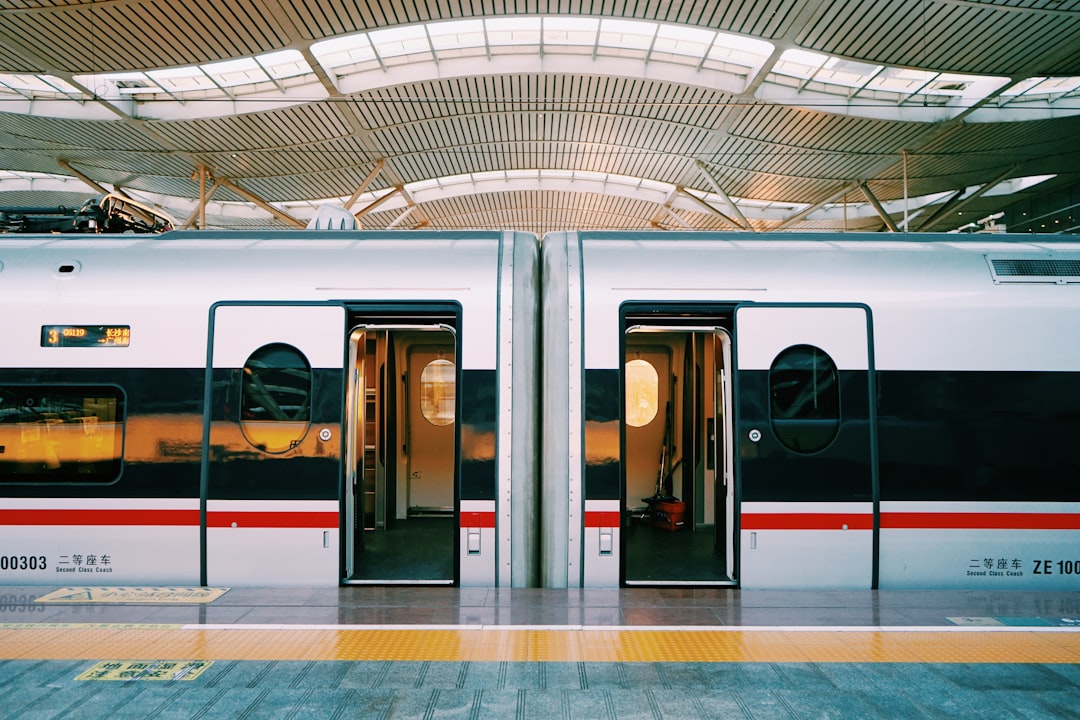
As cities adapt to these changes, they must also address potential challenges. Ensuring equitable access to improved rail services is crucial. Planners must consider how to effectively serve underserved communities, ensuring all residents benefit from advancements in rail transport.
The overall impact of battery-powered trains on urban transit planning will be significant. It will require a coordinated approach from various stakeholders to maximize benefits while minimizing disruptions. This transition represents a pivotal moment in the evolution of rail transport in the UK. It has the potential to reshape urban landscapes and improve residents’ quality of life.
You may also like
 News
NewsBloomberg This Weekend 10/4/2026
The launch comes at a time when media consumption patterns are rapidly changing. Viewers increasingly prefer on-demand content and real-time updates, prompting networks like Bloomberg…
Read More →The integration of battery-powered trains into the UK rail system marks a major advancement in rail technology. As the country moves towards a more sustainable future, engineers and urban planners will play a critical role in ensuring this transition’s success. The demand for expertise in battery technology and sustainable transport solutions will likely increase. This highlights the need for ongoing education and training in these areas.
Why This Matters
The move towards battery-powered trains is not just about speed and efficiency. It represents a significant shift towards sustainable transport solutions. For rail transport engineers and urban planners, this transition will require new skills and approaches. They must meet the challenges of integrating battery technology into existing systems.
As the UK embarks on this journey, stakeholders in the rail industry must remain vigilant and adaptable. The successful implementation of battery-powered trains could serve as a model for other regions looking to modernize their public transport systems.
This shift also creates demand for specialized skills in battery management and energy efficiency.
What remains to be seen is how quickly these changes will be adopted. We will also watch for further innovations in the rail sector as a result of this transition. The future of rail travel in the UK is poised for transformation. The implications for engineers and planners are profound.
Frequently Asked Questions
What are the benefits of battery-powered trains for rail transport engineers?
Battery-powered trains offer engineers the chance to work with cutting-edge technology. This enhances the efficiency and sustainability of the rail system. This shift also creates demand for specialized skills in battery management and energy efficiency.
How can urban planners adapt to the introduction of battery-powered trains?
Urban planners can adapt by integrating battery-powered trains into their networks. They must ensure adequate infrastructure for charging and maintenance. This includes rethinking land use and development around rail stations to maximize accessibility and connectivity.
You may also like
 News
NewsJobs Slow but Inflation Keeps Fed on Alert
In September, the economy added just 150,000 jobs, a stark contrast to the 200,000 jobs analysts had predicted. This slowdown comes amid ongoing inflationary pressures,…
Read More →
What skills are needed for engineers working on battery-powered rail systems?
Engineers will need skills in battery technology, energy management, and electric vehicle systems. Ongoing education and training will be essential to keep pace with technological advancements in the rail sector.