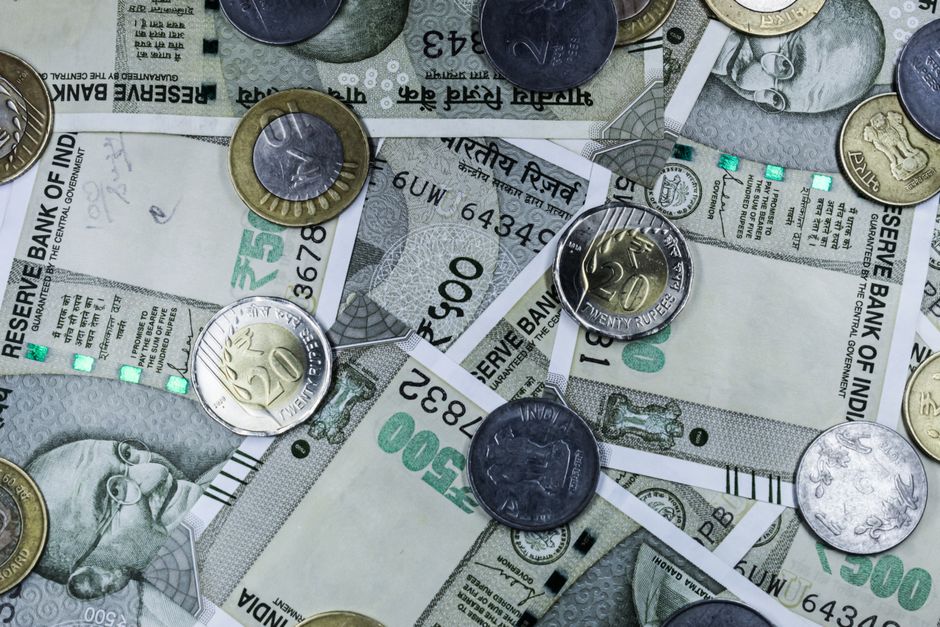
Bank employees in India plan to strike on September 11, 2026. This comes after the government withdrew the performance-linked incentive (PLI) scheme. The Ministry of Finance announced this decision after pressure from the United Forum of Bank Unions (UFBU). The strike shows ongoing grievances that go beyond the PLI scheme, revealing deeper issues in the banking sector.
The UFBU believes that removing the PLI scheme does not solve the main concerns of bank employees. They demand a five-day workweek, better working conditions, and a review of ex-gratia payments for retired employees. This upcoming strike is part of a history of protests aimed at improving labor conditions in the banking sector.
Understanding the Grievances of Bank Employees
A major grievance leading to the strike is the PLI scheme’s perceived unfairness. The scheme was meant to reward performance but only applied to Scale IV officers and above. This exclusion created a divide, leading to accusations of favoritism. The UFBU argues that this scheme contradicts an earlier agreement with the Indian Banks’ Association. This agreement promised a uniform incentive structure based on overall bank performance. Many employees feel that the PLI scheme’s withdrawal does not address their broader concerns about fair treatment and recognition.
Additionally, the demand for a five-day workweek has been a long-standing issue. In 2024, employees proposed extending daily work hours by 40 minutes to keep weekly hours while reducing workdays. However, this proposal has not been addressed, adding to frustrations. The call for a five-day workweek reflects a trend in labor movements where employees seek better work-life balance. The UFBU emphasizes that the current six-day workweek harms employees’ mental health and productivity.
The government recently responded to the strike call with a meeting between bank employees and Finance Minister Nirmala Sitharaman. During this meeting, the PLI scheme was put on hold for further discussion. Despite this, the UFBU reported “no positive development” regarding their demand for a five-day workweek. This led them to proceed with the strike. The response shows a gap between employee needs and government actions, fueling the strike’s momentum. The Hindu notes that poor communication and negotiation from the government have worsened the situation, leaving employees feeling unheard.
Despite this, the UFBU reported “no positive development” regarding their demand for a five-day workweek.
The timing of the strike is strategic. It is set for a Friday, coinciding with a weekend and a public holiday. This maximizes its impact on banking operations. The strike is expected to disrupt services, especially for senior citizens and rural customers who rely on bank branches. This highlights the vulnerability of certain groups during labor disputes, as they may lack access to digital banking solutions. The anticipated disruption could lead to a backlog of transactions, complicating the banking landscape during a critical period.
Furthermore, the ongoing strike reflects a larger trend in the Indian labor market. Workers across various sectors are becoming more vocal about their rights. The banking sector, known for its stability, is now facing significant unrest. This indicates a shift in employee expectations and labor relations. As reported by Truescoopnews, similar strikes in other sectors have led to successful negotiations for better terms, setting a precedent that bank employees want to follow.
Implications of the Strike for the Banking Sector and Economy
The implications of this strike go beyond immediate banking service disruptions. According to Career Ahead, labor unrest in banking can lead to broader economic consequences. Banking is crucial for financial stability in the country. A prolonged strike could hinder operations, affecting transaction volumes and customer trust. The risk of financial instability increases during the half-yearly closing period, critical for banks to meet targets and maintain investor confidence.
The strike’s timing, during the half-yearly closing period, suggests that the UFBU is strategically leveraging critical financial times to amplify their demands. This approach may pressure the government and banks to reconsider their stance on employee grievances. If the strike continues beyond September, it could lead to a reevaluation of labor policies in banking. The economic fallout could extend to related sectors, impacting retail, small businesses, and larger corporate clients who depend on timely banking services.
Moreover, the strike highlights the need for better negotiation strategies between unions and management. As the workforce becomes more organized, banks may need to adopt collaborative approaches to address employee concerns. This could involve revisiting incentive structures, work-life balance initiatives, and overall employee welfare policies. The changing landscape of labor relations suggests that banks must adapt to employees’ evolving expectations, who prioritize their rights and well-being.
Moreover, the strike highlights the need for better negotiation strategies between unions and management.
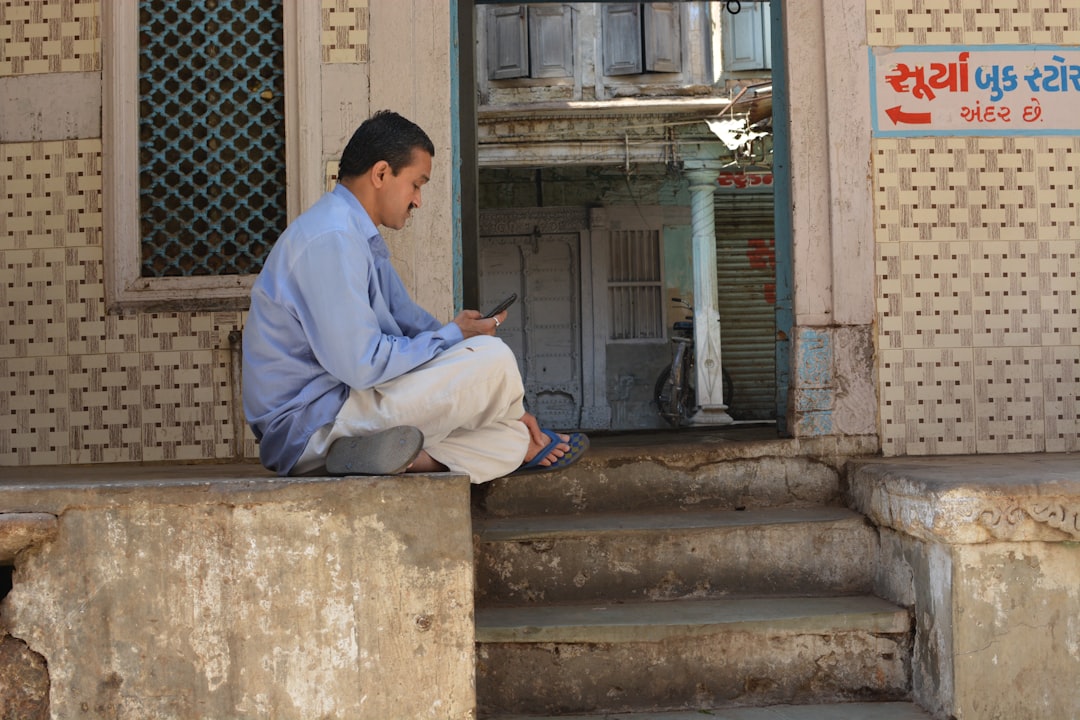
The situation raises questions about the future of labor relations in India. As more sectors experience unrest, there may be a growing demand for comprehensive labor reforms. These reforms would protect employee rights and promote fair treatment in workplaces. This could shift how negotiations occur across industries, fostering a more inclusive approach to employee relations. The ongoing strike is a critical moment for the banking sector and the broader Indian economy. It underscores the need to address employee concerns to maintain stability and public trust in financial institutions.
As the situation unfolds, it remains unclear how the government and banks will respond to the ongoing demands of bank employees. Will upcoming negotiations lead to meaningful reforms, or will the strike escalate further? The outcome could set a significant precedent for labor relations in India, influencing how employee grievances are addressed in the future.
Frequently Asked Questions
What are the reasons behind the current bank employee strikes?
The current strikes are mainly due to grievances about the performance-linked incentive (PLI) scheme, which many employees feel is unfair. Additionally, demands for a five-day workweek and better working conditions have fueled the unrest.
Engaging in dialogue with management and advocating for their rights will be crucial for seeking meaningful changes in their working conditions.
How does the withdrawal of the PLI scheme affect bank employees?
The withdrawal of the PLI scheme has not solved the main issues faced by bank employees, such as unfair treatment and demands for better working conditions. Many employees feel their broader grievances remain unaddressed.
What should bank employees do to address their concerns with management?
Bank employees should continue to organize through their unions to voice their concerns effectively. Engaging in dialogue with management and advocating for their rights will be crucial for seeking meaningful changes in their working conditions.
Written by Career Ahead AI. AI can make mistakes, so verify key facts. Report errors to support@careeraheadonline.com.