No products in the cart.

Bentley Unveils Electric Car with Engine Sound Simulation
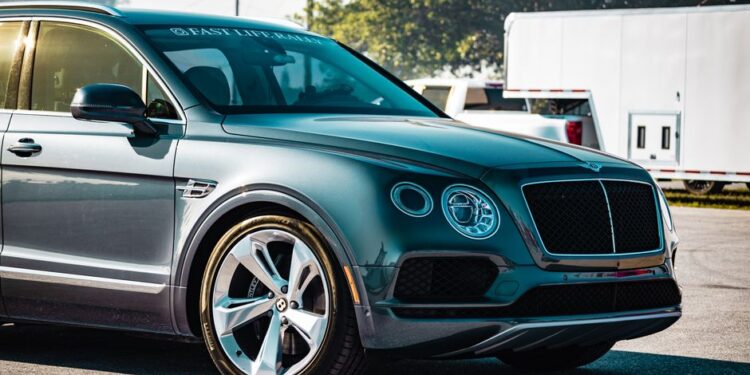
The Torcal SUV is priced at £173,000 and can travel up to 375 miles on a single charge. It is designed to attract both traditional Bentley customers and new, younger buyers who may be hesitant about electric vehicles. Bentley's chief executive, Frank-Steffen Walliser, stated that the synthetic sounds…

Bentley has officially launched its first fully electric car, the Torcal SUV, on September 23, 2026. This vehicle marks a significant step for the luxury automaker as it integrates synthetic engine sounds to replace the classic growl of combustion engines. The Torcal is part of a £350 million investment in Bentley’s operations in the UK, aiming to secure jobs and appeal to a younger audience.
The Torcal SUV is priced at £173,000 and can travel up to 375 miles on a single charge. It is designed to attract both traditional Bentley customers and new, younger buyers who may be hesitant about electric vehicles. Bentley’s chief executive, Frank-Steffen Walliser, stated that the synthetic sounds are intended to add emotion to the driving experience, bridging the gap between the brand’s heritage and the future of automotive technology.
Redefining Luxury Through Innovation
Bentley’s introduction of synthetic engine sounds represents a pivotal shift in how luxury vehicles are designed and marketed. Traditionally, the roar of a powerful engine has been a hallmark of luxury cars, symbolizing performance and prestige. However, as electric vehicles (EVs) gain traction, the challenge for automotive engineers is to maintain that sense of luxury without the familiar auditory cues of combustion engines.
Career Ahead’s analysis finds that integrating artificial sounds into electric vehicles not only enhances user experience but also preserves brand identity. This trend reflects a broader industry movement where sound design plays a crucial role in EV development. For instance, the Torcal’s sounds are derived from recordings of Bentley’s historic eight-cylinder engines, creating a connection to the brand’s legacy while adapting to modern technology. According to Dezeen, this innovative approach allows Bentley to maintain its signature character while embracing the future of mobility.
Moreover, as competitors like Rolls-Royce and Range Rover enter the EV market with their own unique soundscapes, Bentley’s approach may set a precedent for how luxury brands differentiate themselves in an increasingly crowded field. The Torcal’s design and features are tailored to resonate with younger consumers, who prioritize both sustainability and emotional engagement in their purchasing decisions. This demographic shift is crucial, as younger buyers are more inclined to choose brands that reflect their values, including environmental consciousness and technological advancement.
This trend reflects a broader industry movement where sound design plays a crucial role in EV development.
This innovative approach also presents new challenges for automotive engineers. They must consider not only the technical aspects of sound integration but also the psychological impact of these sounds on drivers and passengers. The balance between innovation and tradition will be critical as engineers work to redefine what luxury means in the context of electric vehicles. As noted by CleanTechnica, the integration of these synthetic sounds is not just about nostalgia; it’s about creating a new auditory experience that enhances the overall driving pleasure.
The Impact of Electric Vehicle Technology on Luxury Automotive Design
The luxury automotive sector is undergoing a transformation as electric vehicle technology advances. Bentley’s Torcal SUV is a clear example of how luxury brands are adapting their designs to meet the demands of a changing market. With a focus on performance, sustainability, and emotional connection, the Torcal is positioned to attract a new generation of buyers.
As electric vehicles become more mainstream, luxury automakers face the challenge of maintaining their exclusivity while embracing new technologies. The Torcal’s pricing strategy reflects this balance, as it offers a more accessible entry point into the Bentley brand without compromising on luxury or performance. This move may encourage other luxury brands to reevaluate their pricing structures and product offerings in the EV space. The New York Post highlights that Bentley’s pricing, while still premium, is strategically set to appeal to a broader audience, thereby expanding its market reach.
Career Ahead’s research highlights that the introduction of electric vehicles is not merely a trend but a significant shift in consumer expectations. Today’s buyers are looking for vehicles that align with their values, including sustainability and innovation. This shift is particularly evident among younger consumers, who are more likely to embrace electric vehicles if they perceive them as stylish and emotionally engaging. The Torcal’s design also emphasizes aerodynamic efficiency and advanced technology, showcasing Bentley’s commitment to innovation. Features such as ultra-fast charging capabilities and a range of 375 miles per charge are essential selling points that cater to the practical needs of modern consumers.
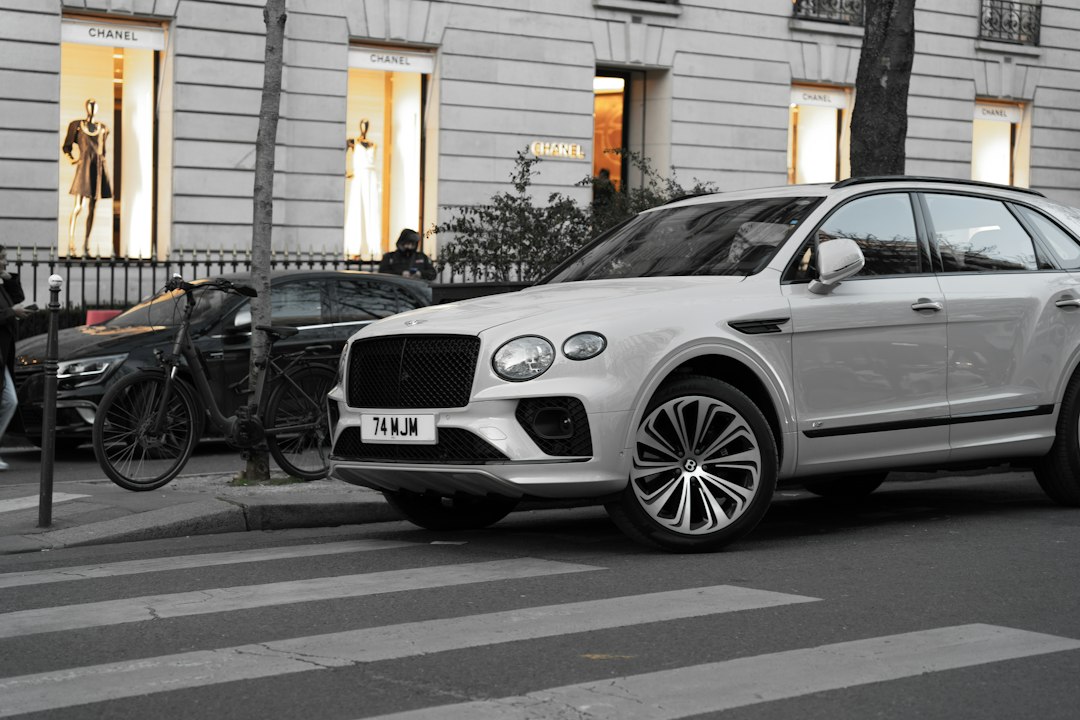
Features such as ultra-fast charging capabilities and a range of 375 miles per charge are essential selling points that cater to the practical needs of modern consumers.
Furthermore, the introduction of the Torcal signifies a potential shift in how luxury brands communicate their values to consumers. By focusing on emotional experiences and brand heritage, Bentley is setting a new standard for luxury automotive marketing. This approach could influence how other manufacturers position their electric vehicles, emphasizing the importance of storytelling and brand identity in a rapidly changing market. As Bentley navigates the complexities of the electric vehicle landscape, the company’s ability to adapt will be crucial.
While the Torcal is a promising start, the future of luxury electric vehicles remains uncertain. Competition from both established luxury brands and new entrants in the EV market will continue to shape the industry’s trajectory. This evolving landscape presents opportunities for automotive engineers and designers to innovate and redefine luxury in the context of electric vehicles. The integration of technology, sound design, and consumer engagement will play a pivotal role in shaping the future of the automotive industry.
As Bentley’s Torcal SUV hits the market, the automotive world will be watching closely to see how this bold move influences the luxury electric vehicle segment and what it means for the future of automotive engineering.
Frequently Asked Questions
What engineering challenges arise from integrating artificial sounds in electric vehicles?
Integrating artificial sounds into electric vehicles presents unique engineering challenges. Engineers must ensure that these sounds enhance the driving experience without overwhelming the vehicle’s performance or alienating traditional customers. Balancing sound quality, volume, and emotional impact is critical for creating a compelling auditory experience.
Keeping up with technological advancements will be crucial for success in this evolving landscape.
How does Bentley’s electric vehicle impact luxury automotive design trends?
Bentley’s Torcal SUV influences luxury automotive design by integrating synthetic engine sounds that evoke the brand’s heritage while embracing modern technology. This approach may prompt other luxury manufacturers to explore similar strategies, emphasizing emotional engagement and brand identity in their electric vehicle offerings.
What skills should automotive engineers develop to adapt to electric vehicle technology?
Automotive engineers should focus on developing expertise in sound design, electric powertrains, and advanced materials. Understanding consumer preferences and the emotional aspects of vehicle design will also be essential as the industry shifts towards electric vehicles. Keeping up with technological advancements will be crucial for success in this evolving landscape.
Written by Career Ahead AI. AI can make mistakes, so verify key facts. Report errors to support@careeraheadonline.com.