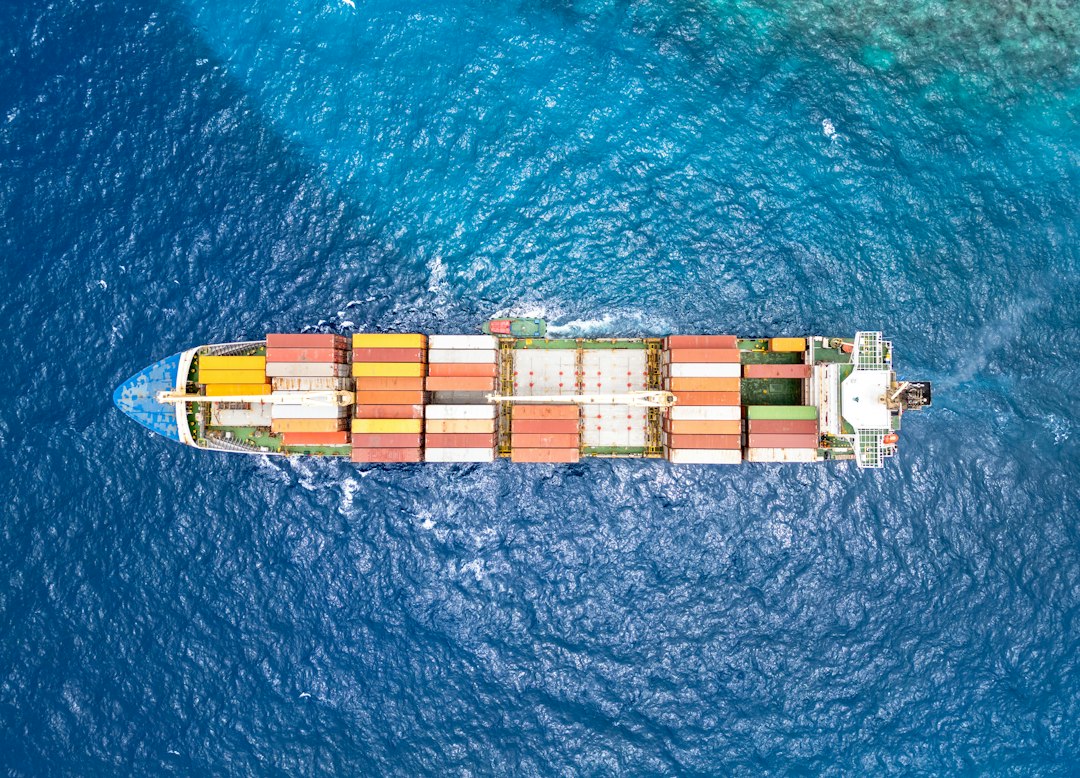
The World Trade Organization (WTO) reported that global trade was stronger than expected in 2026. This was mainly due to increased spending on AI-related goods. This resilience has important effects on supply chain management and AI product development. Companies must adapt to changing trade patterns and sourcing strategies.
As demand for AI technologies grows, supply chain managers need to adjust to new logistics and sourcing dynamics. The strong global trade shows that businesses can seize new opportunities while tackling challenges from geopolitical tensions and economic changes. The WTO noted that ongoing conflicts in the Middle East, which usually hurt trade, have been balanced by high demand for AI products. This shows a significant change in trade dynamics.
AI Spending Fuels Trade Resilience
The WTO’s analysis reveals that the rise in AI-related goods has countered the negative effects of geopolitical conflicts, like those in the Middle East. AI investments have boosted trade volumes and created a ripple effect across various sectors. Supply chain managers are rethinking their strategies as a result. The World Bank supports this, stating that countries investing in AI technologies see a big boost in their export capabilities. For example, the United States and China have experienced strong growth in tech exports due to AI innovations. This trend suggests that supply chain managers should prioritize partnerships with AI-focused suppliers to remain competitive.
Additionally, the International Monetary Fund (IMF) highlights AI’s role in improving productivity and economic growth. Kristalina Georgieva, the IMF Managing Director, stated that AI technologies could increase global GDP by 2-3% by 2026. This economic boost allows supply chain managers to optimize logistics for AI goods, ensuring timely delivery and efficient inventory management. The IMF’s findings show that AI investment is linked to broader economic stability, indicating that regions embracing AI may face less trade volatility.
As AI spending rises, supply chain managers must proactively adapt to these changes. This includes investing in technology that improves visibility and flexibility in logistics operations. Quickly responding to changes in demand for AI products will be crucial for maintaining a competitive edge. Integrating AI into supply chain processes streamlines operations and provides insights into consumer behavior, helping businesses anticipate market trends.
The World Bank states that these nations are increasingly attractive for manufacturing and tech development due to their skilled workforce and competitive costs.
The strength of global trade also indicates a change in sourcing strategies for businesses. Countries like India and Vietnam are becoming key players in the AI supply chain. Companies must carefully evaluate their sourcing decisions. The World Bank states that these nations are increasingly attractive for manufacturing and tech development due to their skilled workforce and competitive costs. This shift is important as companies look to diversify their supply chains away from traditional manufacturing hubs, reducing risks from geopolitical tensions and supply chain disruptions.
Career Ahead research shows that supply chain managers need to reassess their supplier networks to include emerging markets that specialize in AI technologies. This shift reduces dependency on traditional suppliers and opens doors for innovation and cost savings. By diversifying their supplier base, companies can lower risks related to geopolitical tensions and supply chain disruptions. The rise of AI-related goods has changed trade routes, requiring a reevaluation of logistics strategies to manage increased volumes and ensure efficient distribution.
As logistics networks adapt to the higher volume of AI products, supply chain managers must stay informed about changing trade agreements and regulations. This knowledge helps them navigate tariffs and customs processes more effectively, ensuring smooth operations. The World Economic Forum emphasizes that understanding these regulatory landscapes is vital for maintaining operational efficiency in a global market. In this context, collaboration is key. Supply chain managers should work closely with AI product developers to align logistics strategies with product development timelines. This teamwork can lead to better inventory management and quicker market entry for new AI innovations.
The impact of these developments is significant for both supply chain managers and AI product developers. As demand for AI goods increases, supply chain managers must focus on agility and responsiveness in their operations. This means investing in technologies that provide real-time data and insights for faster decision-making. AI product developers need to consider the logistics of their innovations. Understanding how trade pattern changes affect sourcing and distribution is crucial for successful product launches. By collaborating with supply chain managers, they can ensure their products are innovative and market-ready.
Moreover, the growing complexity of global trade requires a more integrated approach to supply chain management. Companies should use data analytics and AI-driven solutions to optimize their logistics networks. This integration can lead to significant cost savings and improved service levels, benefiting both supply chain managers and AI product developers. As the landscape evolves, those who adapt quickly will succeed. The resilience of global trade, driven by AI spending, offers an opportunity for both supply chain managers and AI product developers to redefine their strategies and achieve sustainable growth.
Cityblock Health is pioneering new models in complex care management, focusing on patient-centered approaches and technology integration. This innovation is crucial for healthcare managers and…
Supply chain managers should work closely with AI product developers to align logistics strategies with product development timelines.
In the coming months, it will be essential to monitor how geopolitical tensions and economic policies affect global trade dynamics. The ability to pivot in response to these changes will determine which companies stay competitive in the fast-paced AI landscape.
Frequently Asked Questions
What are the implications of increased A.I. spending on supply chain management?
Career Ahead analysis shows that increased A.I. spending leads to higher demand for logistics efficiency and flexibility. Supply chain managers must adapt their strategies to accommodate the rapid growth of A.I. goods, ensuring timely delivery and optimized inventory management.
How can AI product developers leverage the resilience in global trade?
AI product developers can capitalize on the resilience in global trade by aligning their product development timelines with evolving trade patterns. Collaborating with supply chain managers will help ensure that their innovations are market-ready and effectively distributed.
What strategies should supply chain managers adopt in response to changing trade dynamics?
Supply chain managers should focus on diversifying their supplier networks and investing in technology that enhances visibility and responsiveness. This approach will enable them to navigate geopolitical tensions and optimize logistics for A.I. goods.



Industry & Global Trends
Industry & Global Trends