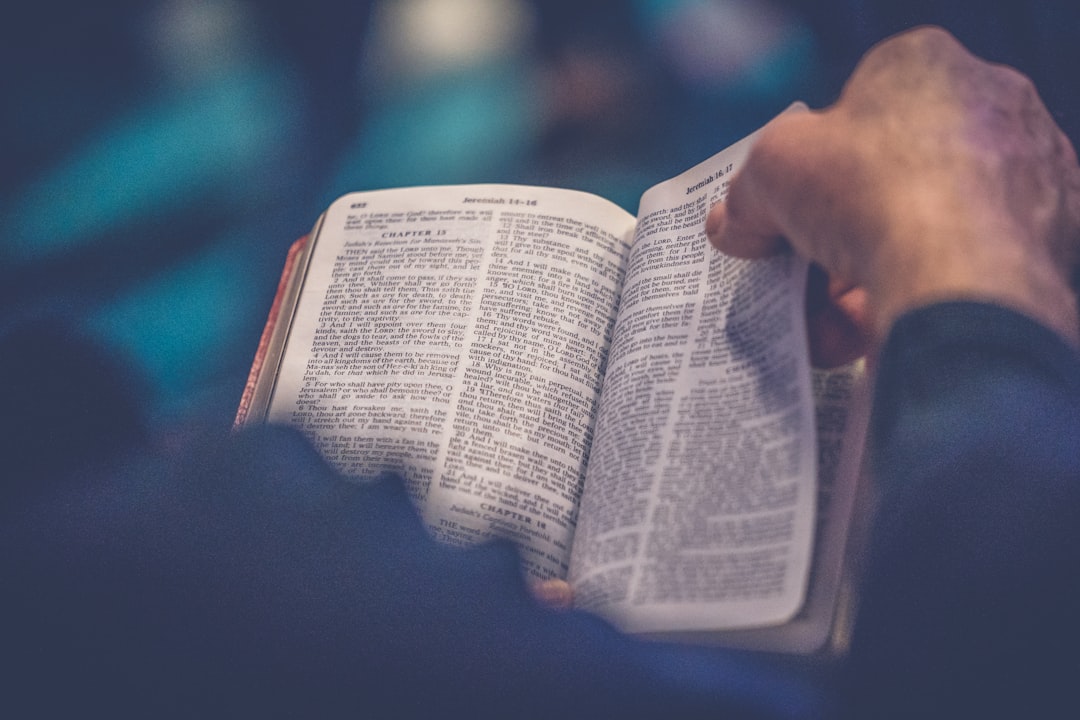
Texas has mandated the inclusion of specific Bible excerpts in public school curricula, particularly in literature classes. This change will significantly impact how educators approach lesson planning and student engagement.
Texas has mandated the inclusion of Bible passages in public school reading lists. This change marks a significant shift in educational policy. The Texas Board of Education approved this requirement on June 26, 2026. It will impact millions of students across the state. This decision is the first of its kind in the U.S. It sets a precedent for how religious texts might be integrated into public education.
The new law requires specific Bible excerpts in the curriculum, especially in literature classes. This change affects what students will read and how teachers plan their lessons. Educators must now find ways to include these texts while meeting academic standards. They also need to ensure a balanced education. As reported by NBC News, this requirement is expected to influence students’ reading habits and the overall educational landscape in Texas.
Implications for Curriculum Development
The inclusion of Bible passages will require major adjustments from curriculum developers. They must identify which passages to include and how to present them effectively. This may involve creating new lesson plans that combine religious texts with literature, history, and social studies. The Guardian notes that the Texas Board of Education will provide a list of specific passages. These will highlight key moral and ethical lessons to guide educators in their planning.
Career Ahead’s analysis finds that this shift could lead to a broader trend in educational policy. Religious texts may be seen as valuable educational resources. Curriculum developers will need to navigate the challenges of presenting religious content in a secular environment. This may prompt discussions about the separation of church and state. Educators must respect diverse beliefs while fulfilling the new requirements. Integrating biblical texts may encourage students to explore themes of morality and ethics, fostering critical thinking and discussions about cultural history.
Professional development programs may emerge to help teachers effectively teach these materials while maintaining a comprehensive approach.
This analysis dissects how alternative assessments are being embedded, the systemic ripple effects, and the capital implications for students and institutions.
Literature classes will likely see changes in reading lists. Classic works may now be paired with biblical texts. This will encourage students to explore themes of morality, ethics, and cultural history. Teachers will need to develop strategies for discussing these texts. They must ensure that students can engage critically with the material. As the curriculum changes roll out, educators will need access to resources that support integrating biblical texts. Professional development programs may emerge to help teachers effectively teach these materials while maintaining a comprehensive approach. Increased collaboration among educators will be crucial in adapting to this new requirement.
Impact on Teacher Training and Professional Development
With the new requirement for Bible passages, teacher training programs will need to adapt. Educators will require guidance on incorporating these texts effectively. This may involve revising existing training programs to include strategies for discussing religious texts in a balanced way. Career Ahead research indicates that educators will face challenges in addressing diverse beliefs. Training programs may need to emphasize cultural sensitivity and inclusivity. This ensures that all students feel respected and understood. Teachers will need to create an environment where discussions about religious texts can occur without alienating those with differing beliefs.
Additionally, resources like workshops, seminars, and online courses may become crucial for teachers. These will help educators enhance their skills in this area. Professional development initiatives could focus on best practices for integrating religious texts into various subjects. This will help educators feel more confident in their teaching methods. As noted by the Independent, the Texas Board of Education’s decision may inspire similar policies in other states. This could spark a national conversation about the role of religious texts in public education. It may lead to a ripple effect, requiring teacher training programs nationwide to prepare for similar shifts.
The Texas Board of Education’s decision may inspire similar policies in other states. This could prompt a national conversation about the role of religious texts in public education. As other states consider similar mandates, teacher training programs across the country may need to prepare for shifts. The implications of this policy extend beyond Texas. Educators and policymakers nationwide will grapple with balancing religious inclusion in public education.
As this law is implemented, it will be crucial to monitor its effects on student learning, teacher training, and curriculum development. Observers will closely watch how educators adapt to these changes and what resources become available. The debates surrounding this issue could shape future educational policies across the nation. Will other states follow suit? How will educators respond to the challenges and opportunities presented by this new requirement?
The federal government has reduced funding for Historically Black Colleges and Universities (HBCUs), which has raised concerns among administrators about maintaining educational quality and job
As this law is implemented, it will be crucial to monitor its effects on student learning, teacher training, and curriculum development.
Frequently Asked Questions
What specific Bible passages will be included in the curriculum?
Career Ahead’s analysis indicates that the Texas Board of Education will provide a list of specific Bible passages. This list will focus on excerpts that highlight key moral and ethical lessons.
How can teachers effectively integrate Bible excerpts into their lessons?
Teachers can integrate Bible excerpts by developing lesson plans that connect biblical themes to broader literary and historical contexts. Professional development resources will likely become available to support educators.
What resources are available for curriculum developers to comply with this new mandate?
Curriculum developers can look for resources from educational organizations that specialize in religious education. Workshops and online courses may also help educators adapt their materials to include Bible passages.



 Education & University Insights
Education & University Insights