No products in the cart.

Billion-Dollar Firms Seek Small Business Status
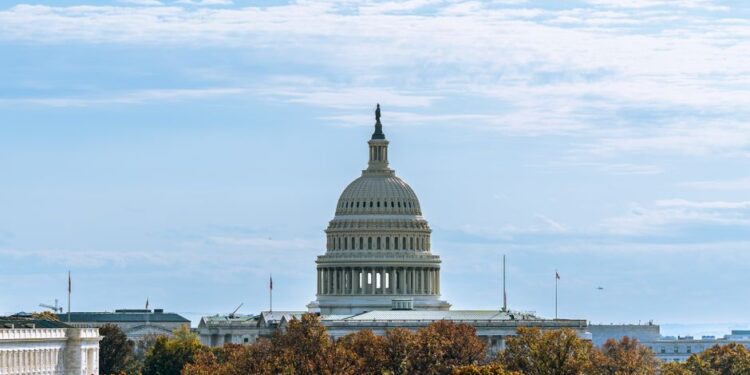
The new criteria would raise revenue limits for small businesses seeking federal contracts. Currently, businesses with annual revenues under $41.5 million qualify as small.

The Trump Administration has proposed major changes to how small businesses are classified. These changes could allow billion-dollar companies to qualify as small businesses. This shift could change the federal contracts and loans landscape, making it harder for smaller businesses to compete. The announcement was made on August 26, 2026, and it has raised concerns among small business owners and entrepreneurs.
The new criteria would increase revenue limits for small businesses seeking federal contracts. Right now, businesses with annual revenues under $41.5 million qualify as small. The proposed changes could raise this limit significantly, letting larger firms enter the small business category. Critics, including small business advocates, say this undermines the goal of supporting truly small enterprises. A report by the New York Times states that the new classification could let companies with revenues over $1 billion qualify as small, changing the competitive landscape.
Implications for Federal Contract Opportunities
Raising revenue limits could intensify competition for federal contracts. Small businesses previously had a clear advantage in securing these contracts, which are vital for growth. However, as larger firms gain access, smaller competitors may struggle. The Small Business Administration (SBA) claims these changes are part of a plan to boost economic growth. Yet, critics argue this may favor larger firms at the expense of smaller ones. Career Ahead’s analysis shows that small businesses have relied on federal contracts to thrive. Any reduction in their share could lead to job losses and less innovation.
Small businesses previously had a clear advantage in securing these contracts, which are vital for growth.
Moreover, the proposed changes could limit the types of projects smaller firms can pursue. Larger companies often have more resources to handle complex contracts. This may lead to a consolidation of projects among these larger entities. As a result, small businesses could have fewer chances to participate in federal contracting, stifling competition and innovation. The New York Times warns that this shift could create a federal contracting landscape dominated by a few large players, reducing the variety of ideas and solutions that smaller firms provide.
You may also like
 Government & Policy
MSMEs Demand Action on Rising Steel and Metal Prices
Rising material costs have been a persistent issue for MSMEs, which are already grappling with higher prices for diesel, furnace oil, and LPG.
Read More →Entrepreneurs should watch these developments closely, as they could change the competitive landscape. The shift in classification may also lead to increased lobbying from larger firms wanting to secure their place in federal contracting. This could complicate matters for small business owners, who may need to adjust their strategies to stay competitive. As larger firms use their resources to win contracts, smaller businesses may find it harder to keep their market share.
Changes in Loan Eligibility Criteria
The proposed changes may also affect loan eligibility for small businesses. Federal loans are crucial for many small enterprises looking to grow or maintain operations. As revenue thresholds rise, smaller firms may struggle to qualify for these funds. The SBA’s recent reports show that access to capital is vital for small business growth. If larger companies dominate the small business classification, resources may be diverted from those that need them most. This could make it harder for small businesses to secure funding, affecting their ability to innovate and compete.
Career Ahead’s research indicates that many entrepreneurs rely on federal loans to start their businesses. The proposed changes could create barriers for new startups and limit growth for existing small businesses. As larger firms gain access to these loans, the financial landscape for smaller enterprises may become more unstable. The New York Times points out that this shift could worsen existing inequalities in access to capital, as larger firms often have better relationships with lenders and more negotiating power.
Career Ahead’s research indicates that many entrepreneurs rely on federal loans to start their businesses.
You may also like
 Government & Policy
SEBI Alerts Investors on Anonymous Tips, Finfluencers
Project Jagrook aims to combat the influence of anonymous financial advisors and so-called "finfluencers," who often provide misleading advice to unsuspecting retail investors.
Read More →Additionally, this changing landscape could lead to more partnerships between small and large firms. Larger firms may seek to leverage their resources while still qualifying for small business contracts. This could create a new dynamic where collaboration is essential for survival in a more competitive environment. The potential for larger firms to absorb smaller ones or outbid them for contracts could lead to fewer choices in services and products, ultimately harming consumers.

As these changes unfold, small business owners must stay alert and adaptable. The evolving criteria may require strategic shifts in how they approach financing and contracting opportunities. This could redefine their business models in the long run. The implications of these changes go beyond just small businesses. If larger firms dominate federal contracts, the broader economy may feel the impact. A shift toward larger firms could reduce diversity in business ownership and innovation.
Entrepreneurs and small business owners should prepare for a future where securing federal contracts and loans becomes harder. Strategic planning and adaptability will be crucial as these changes take effect. Ultimately, these proposed changes raise important questions about the future of small businesses in the United States. Will the federal contracting landscape become a battleground for larger firms, or will small businesses find ways to navigate these new challenges? As the situation evolves, stakeholders must stay engaged and proactive to ensure that small business interests are not sidelined in favor of larger corporations.
Frequently Asked Questions
What are the new revenue limits for small businesses seeking federal contracts?
The proposed changes could significantly increase revenue limits for small businesses. This may allow billion-dollar companies to qualify, raising concerns about competitiveness for smaller firms.
Staying informed about policy changes and adapting business models to fit the new federal contracting landscape will be crucial for success.
How can small business owners adapt to these changes in eligibility?
Small business owners may need to reassess their strategies. They should focus on niche markets or specialized services that larger firms might overlook. Collaborating with larger companies could also help access federal contracts.

What strategies should entrepreneurs implement to remain competitive under the new rules?
You may also like
 Government & Policy
Pentagon Halts Anthropic AI Use After Blacklisting
The Pentagon has officially ceased using Anthropic's AI tools following the company's blacklisting due to national security concerns. This decision marks a significant shift in…
Read More →Entrepreneurs should build strong networks and partnerships to boost competitiveness. Staying informed about policy changes and adapting business models to fit the new federal contracting landscape will be crucial for success.