No products in the cart.

US supreme court hears big oil’s bid to block climate damage lawsuits

The US Supreme Court is hearing a pivotal case that could determine the future of climate damage lawsuits against major oil companies, including Suncor Energy and ExxonMobil.

The US Supreme Court began hearing arguments on a key climate damage case on October 5, 2026. The case, Suncor Energy Inc v. County Commissioners of Boulder County, involves local officials suing Suncor Energy and ExxonMobil. They are being held responsible for their roles in climate change. The outcome could decide if state courts can hold these companies accountable for climate-related costs.
This case is important because it challenges local governments’ ability to seek reparations from major oil companies. Boulder County officials argue that Suncor and ExxonMobil hid the dangers of fossil fuel use. They want these companies to share the financial burden of climate change, which has already cost local taxpayers a lot. A ruling in favor of the oil companies could set a precedent that protects them from similar lawsuits nationwide.
Legal Precedents and Implications for Big Oil
The Supreme Court’s decision could greatly impact the oil industry. If the justices side with Boulder County, similar lawsuits could move forward in state courts. This might open the door for claims against fossil fuel companies across the country. On the other hand, if the court rules for Suncor and ExxonMobil, it could limit states’ ability to hold these companies accountable for climate damages.
Legal experts say the court’s focus during the hearing shows a willingness to consider the case’s merits, not just jurisdictional issues. This shift may reflect a changing attitude toward climate litigation and environmental accountability. Dennis Fan, a legal expert from Columbia Law School, warned that a ruling favoring oil companies could harm future climate litigation efforts. NBC News noted that the case’s implications could affect how local governments nationwide approach climate accountability.
Historically, oil companies have tried to avoid accountability through legal tactics. They often claim that federal laws, like the Clean Air Act, should override state laws on climate damage claims. However, past Supreme Court decisions have usually favored state rights in environmental issues. This suggests that the justices might allow the Boulder case to proceed. The Guardian reported that the court’s discussions could also show a growing recognition of the urgent need to address climate change, a pressing issue for many communities.
Dennis Fan, a legal expert from Columbia Law School, warned that a ruling favoring oil companies could harm future climate litigation efforts.
You may also like
 Government & Policy
Pentagon Halts Anthropic AI Use After Blacklisting
The Pentagon has officially ceased using Anthropic's AI tools following the company's blacklisting due to national security concerns. This decision marks a significant shift in…
Read More →As the court deliberates, the implications go beyond this case. A ruling that limits state court jurisdiction could encourage oil companies to continue harmful practices without fear of local legal action. This could lead to more climate-related damages and increase the financial burden on communities already facing climate change effects. There is a pressing need for increased accountability in climate lawsuits and compliance with environmental regulations.
Emerging Trends in Environmental Litigation
The current legal landscape shows a rising trend in environmental litigation, especially against major corporations like oil companies. As communities face more climate-related disasters, local governments are more willing to hold these companies accountable. The Boulder County case is just one of many similar lawsuits filed across the US.
Data from the National Association of Attorneys General shows that climate lawsuits have surged recently. These cases often use public nuisance laws, claiming fossil fuel companies are responsible for the harmful effects of their products. The Supreme Court’s decision could either support or hinder this trend, depending on how it balances state and federal jurisdiction. PBS News reported that the rise in climate lawsuits reflects a societal shift toward demanding accountability from corporations that harm the environment.
Moreover, environmental lawyers are changing their strategies. They are now focusing on the direct economic impacts of climate change, not just environmental damage. This shift aims to connect corporate actions to financial burdens on communities, strengthening their legal arguments. In the Boulder case, local governments aim to recover costs from climate disasters, which may resonate more with courts concerned about economic implications. The Deseret News highlighted that this approach could lead to more favorable court outcomes, as judges may consider the financial effects of climate change on local economies.
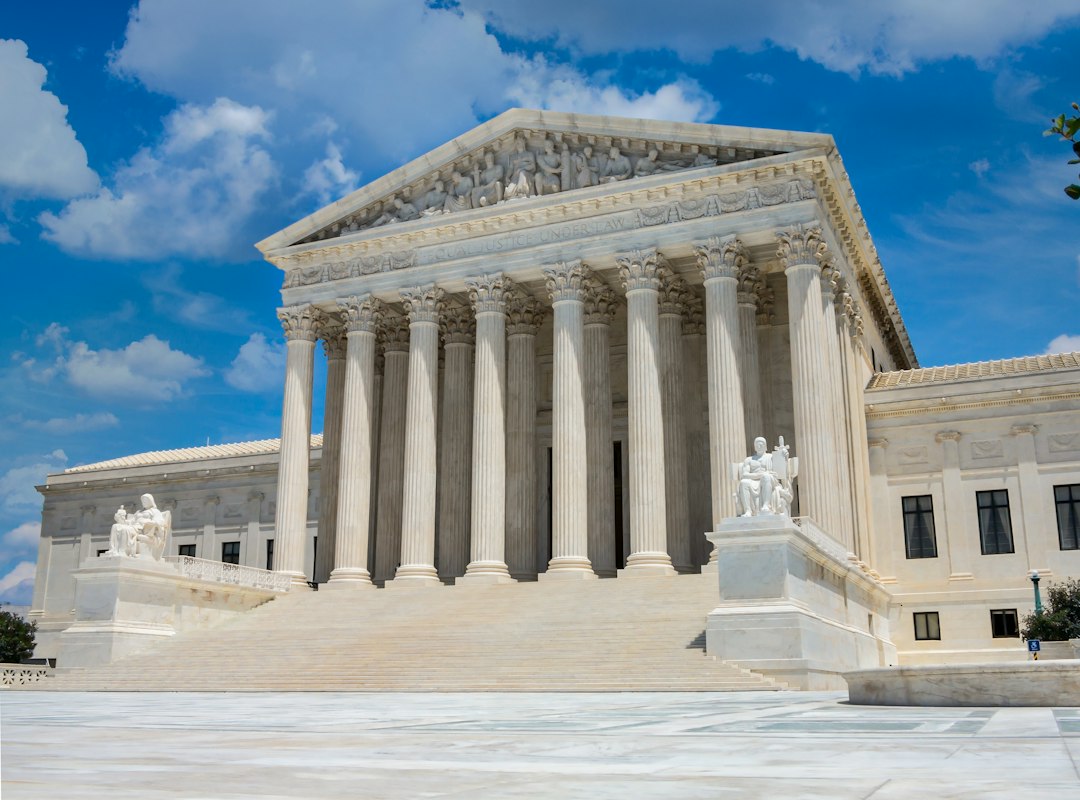
Its outcome could shape future litigation strategies.
Environmental advocates are closely watching this case. Its outcome could shape future litigation strategies. If the court rules for Boulder County, it may encourage other areas to pursue similar lawsuits, creating a ripple effect. Conversely, a ruling for the oil companies could deter local governments from climate litigation, fearing it would be pointless. This uncertainty highlights the importance of the Supreme Court’s decision, expected in the summer of 2027, and its potential to reshape environmental accountability.
You may also like
 Government & Policy
New Visa Regulations Impacting Indian Students
Australia's new student visa regulations, effective October 2026, impose stricter rules for international students, particularly impacting those from India. The changes include a mandatory 12-month…
Read More →Career Ahead analysis shows that the changing climate litigation landscape reflects a broader societal demand for accountability for environmental harm. As public awareness of climate change grows, pressure on corporations to address their roles in the crisis increases. This shift may lead to more aggressive legal strategies from both sides, as companies protect their interests while communities seek justice.
The Supreme Court’s decision is likely to impact the oil industry significantly. Companies that do not adapt to this changing legal environment may face legal challenges and reputational damage that could hurt their profits. As the legal battle unfolds, the oil industry must recognize that climate change is now a major legal and economic issue. The outcome of this case may redefine how oil companies approach environmental accountability and their long-term sustainability strategies.
Frequently Asked Questions
What legal strategies should oil industry executives consider in light of climate lawsuits?
Oil industry executives should enhance compliance with environmental regulations and invest in sustainable practices. Understanding the legal arguments in climate lawsuits will also be crucial for navigating potential challenges.
Oil industry executives should enhance compliance with environmental regulations and invest in sustainable practices.
How can environmental lawyers prepare for changes in climate litigation?
Environmental lawyers should stay updated on emerging trends in climate lawsuits and adapt their strategies. Engaging with communities and understanding their economic concerns can strengthen their legal arguments.
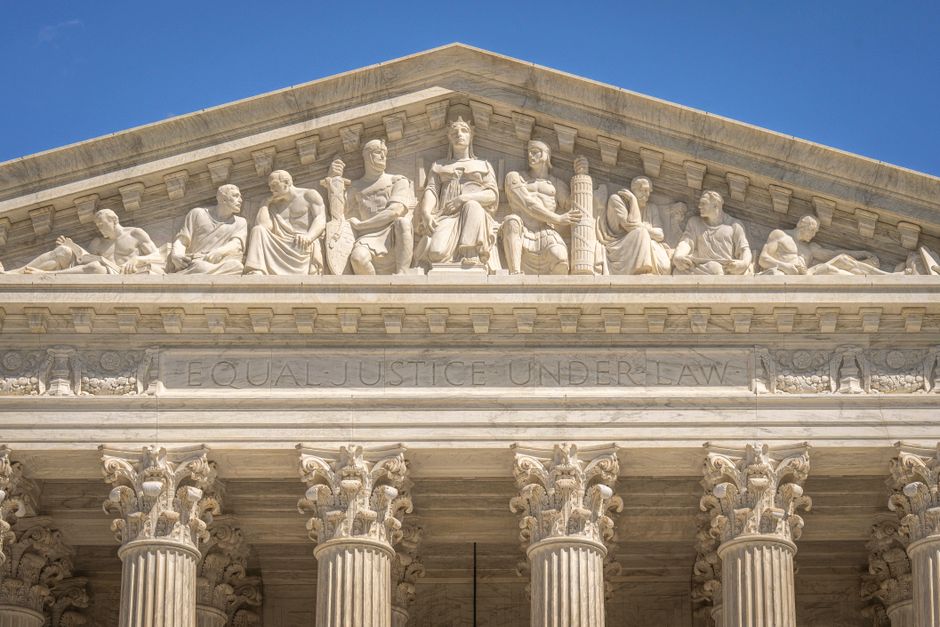
What should oil executives do to mitigate risks associated with climate damage claims?
To reduce risks, oil executives should increase transparency about their environmental impact and invest in sustainable practices. Proactive engagement with regulators and the public can help address concerns and improve corporate reputation.
You may also like
 Government & Policy
Next-Gen GST and India’s next phase of growth
The introduction of Next-Gen GST marks a significant shift in India's tax landscape, aiming to streamline compliance and enhance operational efficiency for businesses. Under Finance…
Read More →