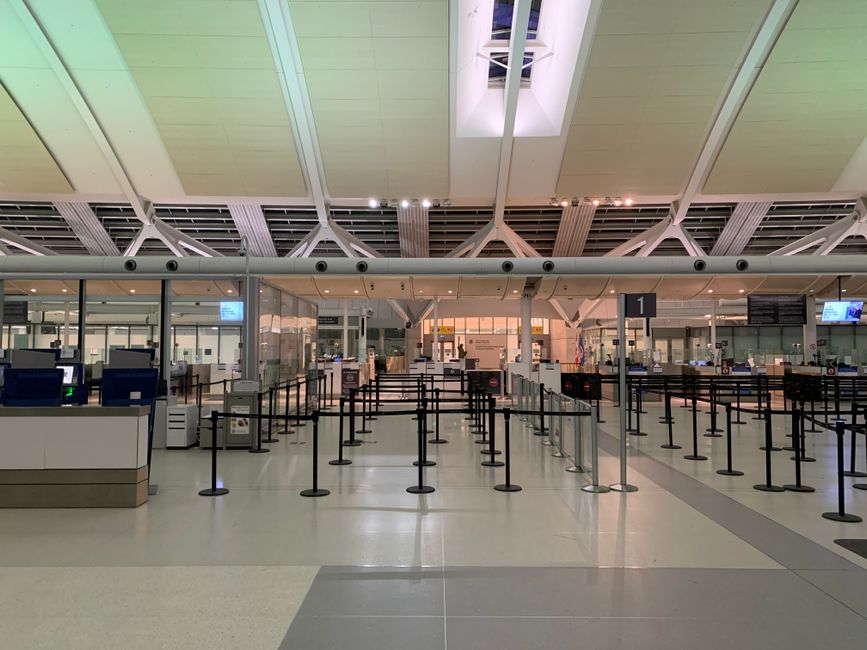
At least twenty-five bomb threats disrupted civil aviation across Europe on Thursday.
Threats disrupted flights and triggered security alerts
At least twenty-five bomb threats disrupted civil aviation across Europe on Thursday. More than thirty planes faced security alerts or diversions during the week, while more than two dozen flights carrying hundreds of passengers were disrupted after European airlines were targeted. The figures describe different measures: threats, planes affected by alerts or diversions, and disrupted flights.¹²
The threats were reportedly sent by email in cases involving Bulgaria, Italy, Poland and Spain. An anonymous email written in Italian warned about the Helsinki-to-Rome and Dublin-to-Rome flights; it was sent early that morning to Rome airport company ADR and affiliated companies. Another anonymous email in Italian went to Milan Malpensa airport and claimed that explosive devices were on flights from Thessaloniki and Porto.¹²
The threats were reportedly sent by email in cases involving Bulgaria, Italy, Poland and Spain.
Aer Lingus passengers were diverted to a French air base
Nicola Timpone, a 62-year-old Italian passenger, was on an early-morning Aer Lingus flight from Dublin to Rome when the pilot announced a technical problem requiring a diversion to Paris. John May, a 45-year-old passenger on the same flight, said the plane was about an hour into its three-hour journey when the pilot asked cabin crew to join him in the cockpit. Timpone said crew members opened all the window shades and told passengers not to use their cellphones.¹²
 News
Study Finds Coded OnlyFans Promotion in TikTok Videos
Researchers followed TikTok recommendations and found coded adult-content references alongside posts presenting OnlyFans as a route to wealth.
Read More →French authorities diverted the aircraft to a military air base in Évreux, about 50 miles northwest of Paris. The office of France’s prime minister said the prime minister had ordered fighter jets to intercept and escort it because the pilot had not cooperated as expected with authorities. The Évreux prosecutor opened an investigation. Passengers waited two hours on board while a bomb squad checked their bags, then disembarked ten at a time as officers and sniffer dogs checked them and their belongings. Timpone and about 150 other passengers gathered at the base. France’s Civil Protection service provided some anxious passengers with food, water and psychological assistance while they waited for transfer to Paris.¹²
Other flights faced inspections and delays
Mateusz Bojarski, 28, was travelling with his girlfriend on a LOT Polish Airlines flight from Warsaw to Paris when an announcement said the aircraft could not take off for safety reasons. The plane taxied to the end of the runway and waited for emergency services. Firefighters and police officers inspected it with sniffer dogs. The flight took off three hours after its originally scheduled departure time.¹²
Italian graduate students Margherita Cerrai and Giovanni Martinelli were on a Wizz Air flight from Milan that landed at a runway in Bucharest, Romania. Fire trucks and masked, armed Romanian law-enforcement agents met the plane. Wizz Air acknowledged a series of similar bomb threats affecting several airlines across Europe in recent days. The airline’s statement linked the incidents by describing them as similar, while offering no further detail in the account of the threats.¹²
Authorities assessed threats and followed safety procedures
Apostolos Tzitzikostas, the European Union’s commissioner for transport, said it was too early to conclude that the episodes were linked. Czech police investigated four planes landing at Václav Havel airport in Prague and considered the reports of low relevance. Authorities reported fighter-jet escorts in Bulgaria, France, Hungary and Italy as national authorities handled the incidents under their safety procedures.¹²
Joji Waites, director of flight safety at the British Airline Pilots’ Association, said a team of assessors graded each threat received by an airline as red, meaning credible; amber, meaning partly credible; or green, meaning not credible. Waites said a threat to a plane still on the tarmac would usually mean an evacuation, while the priority for an aircraft in the air was to land as soon and as safely as possible. Finnair said two of its planes were affected and that threats were almost always unfounded.¹²
 News
Nationwide’s 5.3% Bond Window Is Closed
The bond paid a fixed rate over thirty months, but eligibility required an existing qualifying Nationwide or Virgin Money relationship.
Read More →Italian graduate students Margherita Cerrai and Giovanni Martinelli were on a Wizz Air flight from Milan that landed at a runway in Bucharest, Romania.
Plan for flight delays in your travel budget
If your job involves flying across Europe, treat bomb threats as a recurring operational risk, not a rare event. The ledger shows more than thirty planes faced alerts or diversions in a single week, and at least twenty-five threats hit one Thursday alone. When you book a trip for a client meeting or a conference, add a buffer of at least three hours, since one flight took off three hours after its scheduled time. Ask your employer to cover flexible tickets or refundable fares, because a diversion can strand you at a military air base, as happened to passengers at Évreux.¹²
For aviation workers, the ledger clarifies how airlines grade threats: red, amber, or green, with a plane on the tarmac triggering an evacuation and an airborne plane landing as soon as possible. If you work in airport security or airline operations, build skills in triage and communication with authorities, because fighter-jet escorts occurred in four countries and a pilot's cooperation became a point of investigation. For passengers, expect inspections with sniffer dogs and bomb squads, so carry essentials in hand luggage and keep your phone charged for long waits on the tarmac or at a base.¹²
Sources
Written by Career Ahead AI. AI can make mistakes, so verify key facts. Report errors to support@careeraheadonline.com