No products in the cart.

Boston Dynamics Tests Robot Dogs for E-Commerce Deliveries
Boston Dynamics is testing its Spot robot dogs for package deliveries, aiming to enhance logistics efficiency in e-commerce. The implications for delivery personnel and operations are significant.

Boston Dynamics is testing its Spot robot dogs for package deliveries as of July 14, 2026. The company aims to improve logistics efficiency in e-commerce. These advanced robots will assist human delivery workers, changing how deliveries are made, especially in suburban areas.
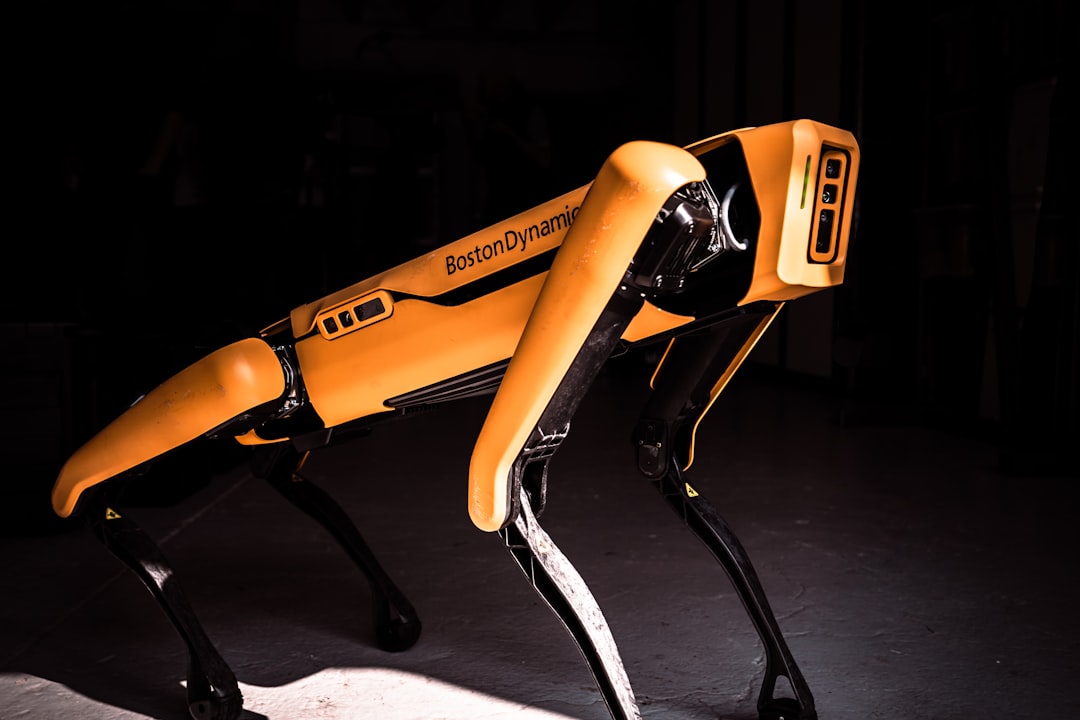
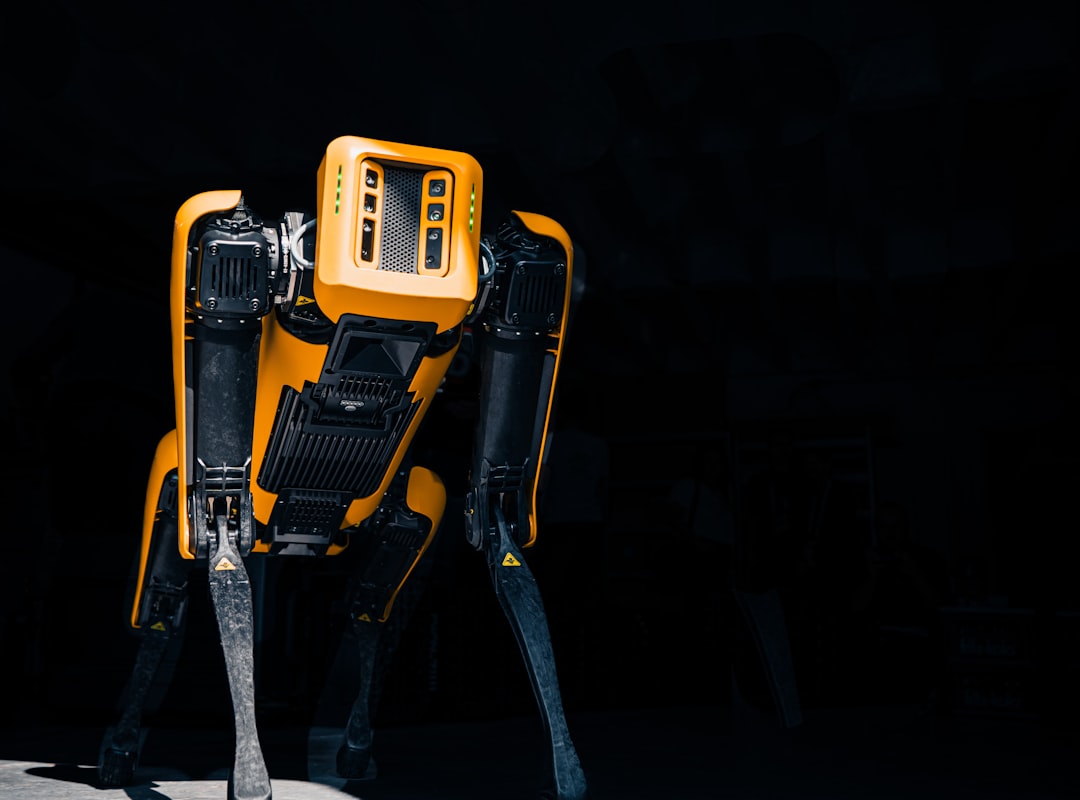
The Spot robot has a new conveyor belt accessory. It can autonomously carry packages from a vehicle to a customer’s doorstep. Boston Dynamics is in talks with major logistics companies to pilot this last-mile delivery solution. The goal is to reduce the physical strain on delivery drivers and increase the number of packages delivered per trip.
Enhancing Delivery Efficiency with Robotics
Boston Dynamics’ Spot robot can navigate complex environments. This makes it ideal for delivering packages in suburban neighborhoods. The robot can traverse uneven terrain and avoid obstacles, making it a valuable asset for last-mile logistics. The company believes that for every three packages delivered by Spot, an additional package can be added to the delivery van, increasing overall efficiency.
According to PCMag, the robot is expected to reduce the time delivery drivers spend on each route. With Spot handling the physical delivery, drivers can focus on preparing the next set of packages. This leads to a more streamlined operation and faster delivery times for customers, which is crucial in the competitive e-commerce landscape.
Additionally, integrating robots like Spot into delivery operations aligns with a broader trend toward automation in logistics. A partnership between Boston Dynamics and DHL aims to set new standards for automation in the logistics industry, as noted on DHL’s website. This collaboration shows the industry’s commitment to adopting advanced technologies to improve efficiency and service quality.
However, introducing robotic systems raises questions about the future of delivery jobs. While automation can enhance efficiency, it may also lead to job displacement among delivery personnel. The logistics sector must balance technological advancement with workforce stability.
The logistics sector must balance technological advancement with workforce stability.
Job Displacement Concerns in the Logistics Sector
You may also like
 Industry & Global Trends
Tewolde Gebremariam is Air India’s new CEO
Tewolde Gebremariam has been appointed as the new CEO of Air India, effective August 5, 2026. His leadership is expected to bring significant changes to…
Read More →The integration of robots like Spot into delivery operations raises concerns about job displacement for delivery personnel. As companies adopt automation technologies, the demand for human workers in certain roles may decrease. This trend is especially relevant in e-commerce, where efficiency and speed are vital.
Career Ahead analysis finds that automated delivery solutions could significantly reduce entry-level delivery jobs. Many logistics companies will likely seek ways to cut costs and improve efficiency, resulting in fewer positions for human workers. According to TechEBlog, deploying robots for last-mile deliveries could replace some of the workforce traditionally responsible for these tasks.
Additionally, the shift toward automation may require reevaluating the skills needed in the logistics sector. As robots take on more responsibilities, delivery personnel may need to adapt by developing new skills related to managing and integrating robotic systems. This shift could create a skills gap that logistics managers must address for a smooth transition to automated systems.
Despite the potential benefits of using robots for deliveries, the logistics industry must consider the implications for its workforce. Balancing technological advancement with job security will be crucial as companies implement automation strategies.
Despite the potential benefits of using robots for deliveries, the logistics industry must consider the implications for its workforce.
Future Implications for E-Commerce Logistics
The ongoing trials of Boston Dynamics’ Spot robot for deliveries could signal a major shift in e-commerce logistics. As companies experiment with robotic solutions, the logistics landscape may transform significantly in the coming years. The ability to deliver packages more efficiently while reducing labor costs could reshape how e-commerce businesses operate.
Moreover, the partnership between Boston Dynamics and logistics firms like DHL may lead to further innovations in the sector. As these companies explore robotic systems, we may see advancements in delivery technologies that enhance efficiency and customer satisfaction.
You may also like
 Industry & Global Trends
India’s Resilience Shines Through Economic Disruptions
Malhotra’s comments come at a time when many economies are grappling with inflationary pressures and market volatility.
Read More →However, transitioning to a more automated logistics environment will not be without challenges. Companies will need to address potential job displacement and ensure existing workers have the necessary skills to thrive in an evolving landscape. This may involve reskilling programs or new training initiatives to prepare the workforce for a future that increasingly relies on technology.
As Boston Dynamics continues its trials with Spot, the logistics sector will closely watch these developments. The potential for increased efficiency and reduced costs is enticing, but the implications for the workforce and the industry as a whole will be critical to monitor.
How will logistics managers adapt to the rise of automated delivery solutions? What skills will be necessary for robotics engineers working with these new technologies? The answers to these questions will shape the future of e-commerce logistics in the coming years.
What skills do robotics engineers need to develop for working with delivery robots?
Frequently Asked Questions
How can logistics managers adapt to the use of robot delivery systems?
Logistics managers can adapt by integrating robotic systems into existing workflows. This may involve training staff to work alongside robots and optimizing operations with automated solutions.
What skills do robotics engineers need to develop for working with delivery robots?
Robotics engineers should focus on programming, machine learning, and system integration. Understanding how to design and maintain robotic systems will be crucial as automation becomes more common in logistics.
What should logistics managers do about the rise of automated delivery solutions?
Logistics managers should assess their operations and identify areas where automation can enhance efficiency. They should also consider the potential impact on their workforce and explore reskilling opportunities for employees affected by automation.
You may also like
 Industry & Global Trends
India’s Wind Turbine Manufacturers Push for Export Incentives
India's wind turbine sector is advocating for export-linked incentives to enhance competitiveness against foreign manufacturers, emphasizing the need for local manufacturing support to improve the…
Read More →