India’s Union Cabinet has approved the ₹1.86 lakh crore Green Energy Corridor Phase-III (GEC-III) project, which aims to address significant geographic and temporal mismatches in the country’s renewable energy distribution. This initiative is a crucial step towards enhancing the reliability and efficiency of electricity generation from renewable sources, especially as the demand for electricity continues to grow.
The GEC-III project is designed to improve the evacuation of renewable power from generation-rich states and move it efficiently to consumption centers across the country. With a focus on intra-state transmission systems and a substantial investment in battery energy storage systems (BESS), GEC-III aims to ensure that the energy generated aligns with the demand patterns more effectively.
Addressing Geographic Mismatches in Energy Distribution
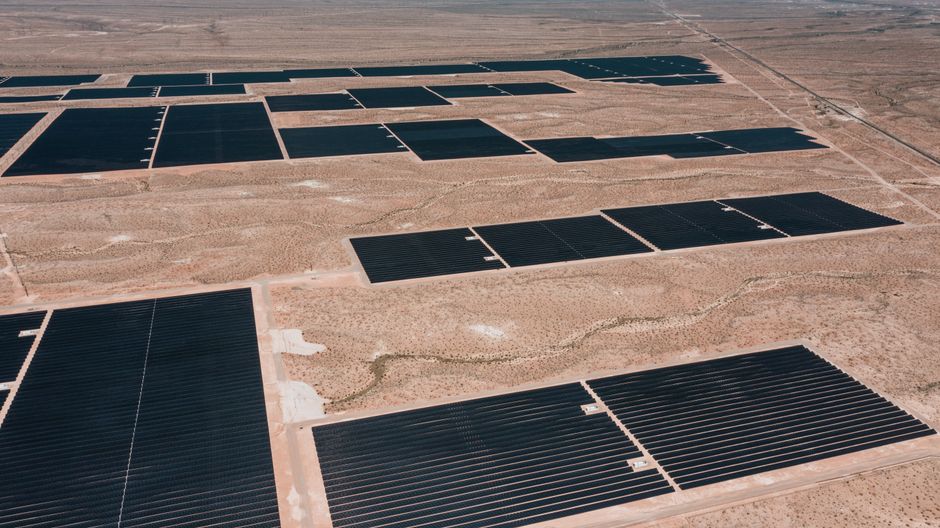
The primary challenge in India’s renewable energy landscape is the geographic mismatch between where energy is generated and where it is consumed. Renewable energy sources, such as solar and wind, are predominantly located in resource-rich regions like Rajasthan and Gujarat, while the highest demand is in urban centers and industrial hubs. According to the Central Electricity Authority, renewable sources contributed 17% of electricity generation in FY2025-26, highlighting the need for a more integrated approach to energy distribution.
GEC-III is expected to evacuate up to 135 GW of renewable power, significantly increasing the share of renewable electricity in the grid. This project not only addresses the physical infrastructure needed for energy transmission but also incorporates advanced technologies for grid management. The inclusion of battery energy storage systems is particularly noteworthy, as it will allow for better management of energy supply during peak and off-peak hours, thereby reducing congestion and curtailment issues. As noted by the Hindu, the GEC-III initiative is a response to the urgent need for a more resilient energy framework that can accommodate the growing share of renewables in the energy mix.
Career Ahead’s analysis identifies that the integration of BESS into the GEC-III framework will create new opportunities for urban planners and policy analysts. As the demand for energy storage solutions grows, professionals will need to focus on developing strategies that enhance energy reliability while also considering environmental sustainability. This alignment of energy generation and consumption is critical in achieving India’s ambitious renewable energy targets of 500 GW by 2030. Furthermore, the project is expected to reduce transmission losses, which currently stand at around 20% in some regions, thereby improving the overall efficiency of the energy grid.
Career Ahead’s analysis identifies that the integration of BESS into the GEC-III framework will create new opportunities for urban planners and policy analysts.
Moreover, the GEC-III project is expected to improve the economics of energy distribution by reducing transmission losses and enhancing the overall efficiency of the energy grid. Urban planners will play a vital role in designing infrastructure that accommodates these changes, ensuring that the benefits of renewable energy reach all sectors of society. The project also aims to create a more equitable energy landscape, where even remote areas can benefit from renewable energy sources, thus supporting rural electrification efforts.
Temporal Mismatches and Project Timelines
Another significant aspect of the GEC-III project is its focus on addressing temporal mismatches in energy generation and consumption. Renewable energy sources are often intermittent, with production not always aligning with demand. The International Energy Agency (IEA) projects that India’s electricity demand will grow at an average rate of 6.4% annually through 2030, which necessitates a robust and adaptable energy infrastructure.
The GEC-III initiative includes a viability-gap funding mechanism designed to attract private investment, making it financially sustainable and commercially attractive. This approach is crucial for ensuring that the project can be completed on schedule, as delays in one part of the generation-transmission-storage chain can have ripple effects throughout the entire energy system. As highlighted in research from the Sustainability Directory, addressing these temporal gaps is essential for achieving a stable energy supply that meets the dynamic needs of consumers.
Career Ahead research finds that the successful execution of GEC-III could serve as a model for other countries facing similar challenges in renewable energy integration. The emphasis on building a comprehensive grid system that incorporates both generation and storage capabilities reflects a growing recognition of the need for flexible energy solutions in the face of increasing demand. The lessons learned from this initiative could be instrumental in shaping future energy policies, not only in India but globally, as countries strive to meet their renewable energy goals.
As urban planners and policy analysts look to the future, they must consider how to leverage the insights gained from GEC-III to inform policy frameworks and development projects. The emphasis on integrating advanced technologies and sustainable practices will be crucial in ensuring that the energy transition is both effective and equitable. In conclusion, the GEC-III project represents a significant step forward in bridging the gaps in India’s renewable energy infrastructure. By addressing both geographic and temporal mismatches, it lays the groundwork for a more reliable and sustainable energy future. As the project progresses, it will be essential to monitor its impact on energy distribution and the broader implications for urban planning and policy development.
As urban planners and policy analysts look to the future, they must consider how to leverage the insights gained from GEC-III to inform policy frameworks and development projects.
Frequently Asked Questions
What are the best practices for urban planners to manage geographic mismatches?
Urban planners should focus on integrating renewable energy sources with demand centers by developing efficient transmission networks. This includes leveraging data analytics to predict energy consumption patterns and aligning infrastructure development with renewable generation capabilities.
How can policy analysts incorporate sustainability into their frameworks?
Policy analysts can incorporate sustainability by evaluating the long-term impacts of energy policies on environmental health. They should advocate for policies that promote renewable energy integration and support the development of energy storage technologies.

What should urban planners do about the challenges posed by temporal mismatches?
Urban planners must design flexible energy systems that can adapt to the intermittent nature of renewable energy. This includes investing in energy storage solutions and developing policies that encourage demand-side management to align consumption with generation.
Written by Career Ahead AI. AI can make mistakes, so verify key facts. Report errors to support@careeraheadonline.com.