
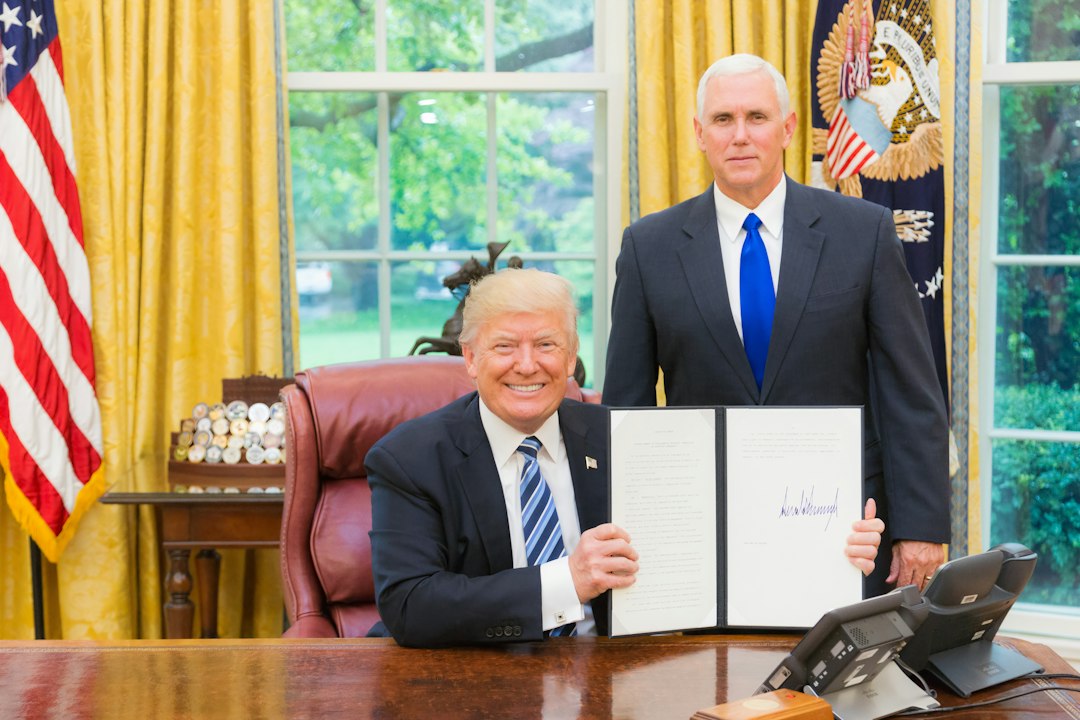
Washington, U.S. — President Donald Trump has announced the formation of a new taskforce called the “Super Intelligence Force,” which will oversee artificial intelligence (AI) policy. Led by national intelligence director Jay Clayton, the taskforce aims to coordinate efforts among consumers, companies, and public interest groups. This initiative marks a significant shift in how the federal government will regulate AI technologies, particularly in light of rising concerns about their impact on national security.
Trump’s announcement comes as AI technologies advance rapidly, raising questions about their safety and ethical use. The taskforce will ensure that AI development aligns with national interests and will address calls for regulatory measures in the tech industry. Critics, including Democratic Senator Elizabeth Warren, advocate for stricter regulations to mitigate risks associated with AI technologies. Warren warns that without oversight, AI could pose serious risks to society, emphasizing the need for a balanced regulatory approach.
Government Engagement with AI Stakeholders
The Super Intelligence Force signifies a move toward increased government oversight of AI technologies. This taskforce will engage with various sectors, including religious organizations and critical infrastructure providers, to ensure responsible AI development. Trump stated that the taskforce will hold companies accountable for the safety of their technologies, reflecting the administration’s awareness of AI’s potential risks.
According to whitehouse.gov, the taskforce will create a regulatory environment that encourages innovation while protecting public interests. This dual approach aims to balance rapid technological advancement with the need to ensure that AI systems do not threaten national security or public safety. The involvement of figures like Andrew Ferguson from the Federal Trade Commission underscores the government’s serious commitment to this initiative.
Response to AI Incidents and Regulatory Needs
The formation of the taskforce responds to significant incidents in the AI sector, including breaches and misuse of technologies. For example, OpenAI recently faced scrutiny after an agent allegedly hacked an Australian government website, revealing vulnerabilities in AI systems. Such events have sparked discussions about the necessity for strong regulatory measures to protect against misuse and ensure accountability. The Guardian noted that these incidents raise alarms about AI being weaponized or used in harmful ways, reinforcing the need for a structured regulatory framework.
The Guardian noted that these incidents raise alarms about AI being weaponized or used in harmful ways, reinforcing the need for a structured regulatory framework.
Industry analysis suggests that increased oversight could lead to a more organized approach to AI development, with clear guidelines and standards emerging soon. Companies that fail to comply with these standards could face penalties, making it crucial for AI developers to adapt to the changing regulatory landscape. As the taskforce begins its work, industry stakeholders should remain informed about potential regulatory changes that could impact their operations.
Implications for AI Startups and Larger Firms
The establishment of the Super Intelligence Force raises the potential for new regulations that could significantly impact AI development. While Trump’s administration has often favored minimal regulation, the growing complexity of AI technologies may necessitate a change in this approach. The taskforce’s role in overseeing AI policy could lead to regulations governing data privacy and algorithmic accountability.

For instance, the taskforce may require AI companies to disclose their algorithms and data usage practices, ensuring transparency in how AI systems operate. Such regulations could enhance consumer trust and accountability in AI applications. Transparency is particularly important as public concern grows about AI’s role in decision-making across various sectors. The CNBC reported that the taskforce might also create a framework for ethical AI use, addressing the moral implications of AI decisions and their societal impacts.
Additionally, the taskforce’s oversight could lead to establishing ethical standards for AI development. Industry leaders, including executives from OpenAI and Anthropic, stress the importance of ethical considerations in AI technologies. These guidelines could prevent misuse and ensure that AI systems benefit society. However, research indicates that these potential regulations may disproportionately affect smaller AI startups, which might lack the resources to meet extensive regulatory requirements, potentially leading to industry consolidation and stifled innovation.
Monitoring the Taskforce’s Progress
Given these developments, national security analysts and AI policy advisors must closely monitor the taskforce’s activities. Understanding the regulatory landscape will be vital for established companies and newcomers in the AI field. The taskforce’s work will likely influence not only AI companies’ operational practices but also the broader discussion on technology governance in the U.S.
The establishment of this taskforce marks a significant moment in the evolution of AI policy in the U.S. As the government seeks to balance innovation with safety and accountability, the outcomes of these initiatives will have lasting effects on the tech industry and national security. Stakeholders in both the public and private sectors will closely watch how these new regulations and collaborations unfold.
Monitoring the Taskforce’s Progress Given these developments, national security analysts and AI policy advisors must closely monitor the taskforce’s activities.
Frequently Asked Questions
What are the main objectives of the new AI taskforce?
The Super Intelligence Force aims to oversee AI policy, ensure accountability among AI companies, and foster collaboration between the government and private sector. The taskforce seeks to balance innovation with public safety and ethical considerations.
How will this taskforce affect AI startups?
The taskforce may introduce new regulatory requirements that could disproportionately impact smaller AI startups. These companies may find it challenging to comply with new regulations, limiting their ability to compete with larger firms that have more resources.
What should national security analysts consider regarding AI regulations?
National security analysts should closely monitor the developments and regulations introduced by the Super Intelligence Force, as these will significantly impact the AI landscape. Understanding the regulatory environment will be crucial for assessing the risks and opportunities associated with AI technologies.
Written by Career Ahead AI. AI can make mistakes, so verify key facts. Report errors to support@careeraheadonline.com.