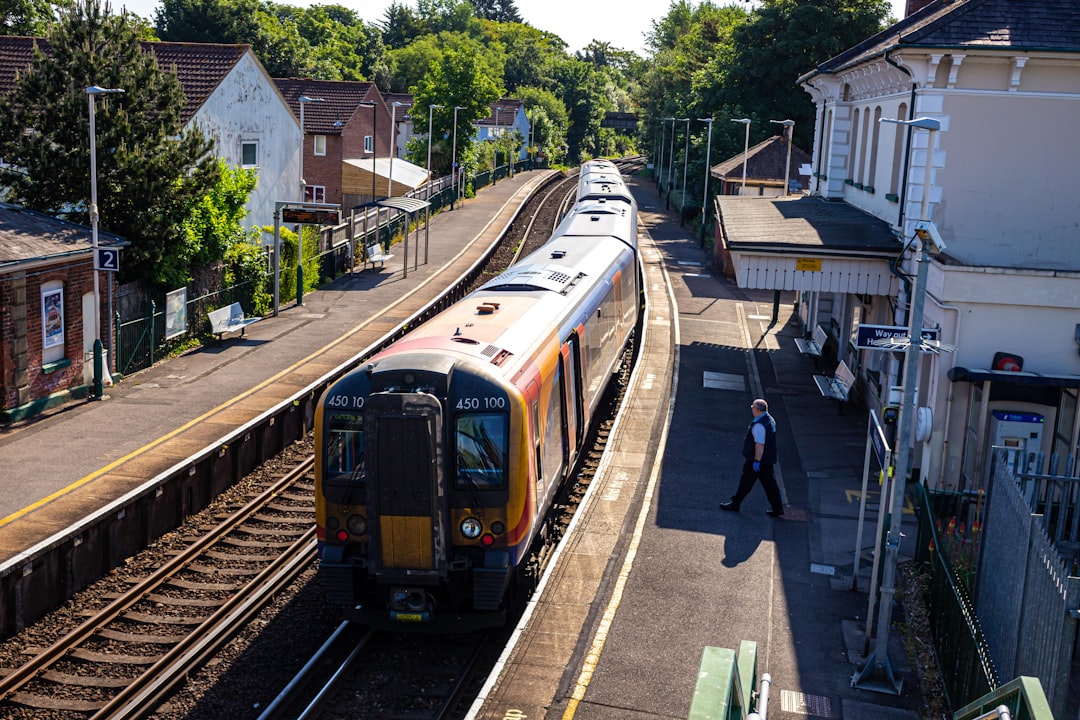
Britain’s railways are grappling with significant challenges due to extreme heat. This summer has witnessed numerous heat-related incidents, including derailments that have raised alarms about the safety and reliability of the rail network. As temperatures soar, finding effective ways to adapt and maintain railway infrastructure is crucial.
The recent derailment near Lewes injured 30 people, highlighting the vulnerabilities of the railway system during extreme heat. Network Rail reports that this summer has presented exceptional challenges, with track temperatures reaching dangerous levels. This situation has sparked urgent discussions on how to mitigate risks and ensure passenger safety. According to The Guardian, the heatwave has led to a significant increase in train cancellations, with nearly 900 trains canceled daily, exacerbating the already strained rail services.
Effects of Heat on Railway Tracks
Heat poses a serious threat to railway infrastructure, primarily by causing steel tracks to expand. As temperatures rise, the risk of track buckling increases. Experts indicate that when steel rails expand without adequate management, they generate compressive stresses that can lead to catastrophic failures. Following two days of record heat in 2022, nearly 7,700 trains were canceled, costing the rail industry approximately £30 million. Railway News highlights that the economic impact of rail disruptions is often underestimated, leading to a lack of urgency in addressing these issues.
Moreover, the supporting structures beneath the tracks, such as sleepers and ballast, are also affected by prolonged heat and drought. Dry soil can lead to uneven settlement and increased pressure on the tracks. Experts from University College London warn that soil shrinkage compromises the foundational stability of the tracks, raising the risk of derailments. Recent incidents have demonstrated that track failures can result in significant delays and safety risks for passengers.
Learning from Global Practices
Countries with hotter climates have implemented various strategies to address similar challenges. For instance, in Australia and parts of the US, engineers lay pre-stressed tracks designed to withstand higher temperatures, allowing the rails to expand without buckling. In contrast, the UK’s rail system is built for a narrower temperature range, complicating adaptation efforts. The Guardian emphasizes that the UK must learn from these international examples to develop effective solutions tailored to its unique climate challenges.
The Guardian emphasizes that the UK must learn from these international examples to develop effective solutions tailored to its unique climate challenges.
Network Rail is exploring potential solutions, such as raising the stress-free temperature for tracks from 27°C to 30°C. However, this adjustment carries risks, particularly in winter when lower temperatures can cause track snapping. Innovative measures are being tested, including painting some tracks white to reflect sunlight and reduce heat absorption. This simple strategy has been shown to lower track temperatures by 5-10°C, helping to mitigate some heat-related risks. Researchers are also investigating advanced materials capable of withstanding higher temperatures, which could revolutionize track construction and maintenance.
Policy Changes and Infrastructure Resilience
The challenges posed by extreme heat on Britain’s railways may prompt significant policy changes. The recent derailments have triggered a review of safety standards and maintenance protocols. As climate change intensifies, transportation planners and policymakers are under pressure to devise comprehensive strategies to tackle these threats. Career Ahead’s analysis suggests that this situation could lead to investments in more resilient infrastructure. Upgrading older structures, some dating back to the 1800s, is becoming increasingly urgent. Policymakers may need to allocate more funding for research and development of advanced materials and technologies capable of withstanding extreme weather.
Furthermore, the economic ramifications of rail disruptions are considerable. The UK rail system is vital for both passenger transport and freight movement, and any interruptions can have far-reaching effects on the economy. Research from Railway News underscores that the economic damage from rail disruptions is often underestimated, highlighting the need for proactive measures to enhance system resilience. The financial strain on the rail industry, coupled with the potential for lost productivity across sectors reliant on timely transport, underscores the urgency of addressing these infrastructure challenges.
Collaboration for Future Solutions
In light of these issues, collaboration among government bodies, engineering experts, and the rail industry is essential. A coordinated approach to infrastructure adaptation is crucial for ensuring the long-term viability of the rail network. The Guardian warns that without significant investment and innovation, the UK’s railways may continue to struggle under climate change pressures, leading to more safety incidents and public dissatisfaction.
The future of Britain’s railways hinges on adapting to an unpredictable climate. As the rail industry confronts these challenges, the pressing question remains: how will policymakers and engineers respond to ensure the safety and reliability of rail transport in the years to come?
OpenAI and over 100 major technology firms have issued a significant warning regarding the imminent threat of AI-driven cyberattacks, urging immediate action to bolster defenses.
Collaboration for Future Solutions In light of these issues, collaboration among government bodies, engineering experts, and the rail industry is essential.
Frequently Asked Questions
What practices can railway engineers adopt to mitigate heat-related challenges?
Experts recommend using pre-stressing techniques for tracks, applying reflective coatings to minimize heat absorption, and enhancing monitoring systems to detect track irregularities early.
How can transportation planners adjust to climate change impacts on rail systems?
Transportation planners can adapt by investing in resilient infrastructure, updating maintenance protocols, and collaborating with engineers to design tracks that can accommodate higher temperatures and changing soil conditions.
What innovative solutions are available for cooling railway tracks during extreme heat?
Innovative solutions include applying heat-reflective paint on tracks, implementing pre-stressing techniques, and considering laying tracks on solid concrete slabs to enhance stability during heat waves.



News
 News
News